
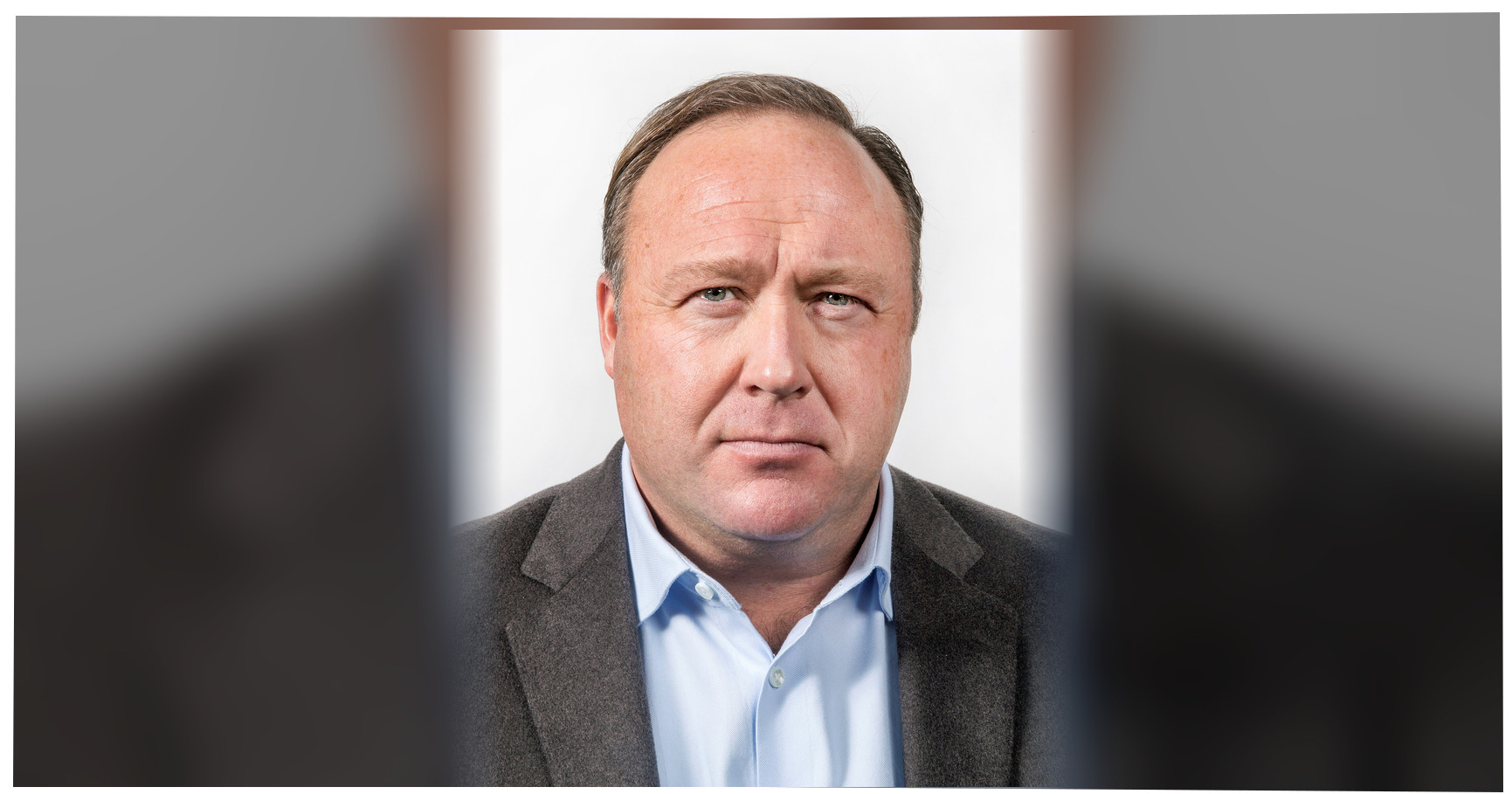
The ruling sharply reduces one Texas award but does not erase Alex Jones’ liability for false claims about the 2012 Sandy Hook massacre. A separate $1.25 billion Connecticut judgment remains untouched.
A Texas appeals court reduced the $50 million judgment against Alex Jones over his false claims that the Sandy Hook killings were a hoax. The unanimous ruling leaves the Infowars founder liable for about $6 million — including more than $4.1 million in compensatory damages and $1.5 million in punitive damages — to the parents of a child killed in the 2012 Sandy Hook Elementary School shooting.
The judgment concerned Jones’ false claims that the Sandy Hook killings were a hoax, but the Texas Third Court of Appeals did not erase the core finding against him. The decision matters because it shows how Texas damages limits can substantially reduce a jury award even when a defendant’s liability remains intact.
The ruling cuts damages, not liability
The appeals court reviewed a 2022 verdict involving Sandy Hook parents Neil Heslin and Scarlett Lewis, whose 6-year-old son, Jesse Lewis, was among the 26 people killed at the Newtown, Connecticut, school.

A jury had awarded the parents more than $4.1 million in compensatory damages for defamation and emotional distress, plus more than $45 million in punitive damages. The appeals court left the compensatory award in place but cut the punitive portion to $1.5 million.
That produces a total of roughly $6 million that Jones can be compelled to pay in this Texas case. The $50 million figure in headlines refers to the original judgment, not the final amount after the appeals ruling.
For the families, the legal significance is mixed. They retain a court-backed finding that Jones defamed them, but the financial punishment attached to that judgment is far smaller than the jury’s original award.
Why Texas law changed the total
The court cited Texas laws that limit certain damages awards. It concluded that punitive damages could not exceed $750,000 for each of the two plaintiffs in this case, setting the total punitive award at $1.5 million.
The court also found that Heslin and Lewis had not shown evidence sufficient to allow recovery above that cap based on harassment connected to Jones’ hoax claims. It additionally said the trial judge had improperly allowed the parents to seek higher damages after the trial.
Those findings are about the permitted size of damages under state law, not a declaration that the harassment described by the families did not occur. At trial, relatives of Sandy Hook victims testified that they faced threats, in-person confrontations and abusive online messages after Jones promoted false claims that the massacre had been staged.
The outcome illustrates a recurring tension in civil cases: juries can assess large punitive awards meant to punish egregious conduct, while appellate courts must apply statutory limits that can bring those awards down.
Jones’ false Sandy Hook claims
Jones spent years using his Infowars platform to claim that the Sandy Hook massacre was fabricated as part of a government effort to advance gun restrictions. The shooting was real: 20 first-grade students and six educators were killed on Dec. 14, 2012.
During the Texas trial, Jones acknowledged that the shooting was “100% real” and said he had been wrong to lie about it. His concession came after years in which grieving relatives said the conspiracy narrative turned their loss into a continuing campaign of abuse.
Jones has portrayed the lawsuits as attacks on his First Amendment rights. The courts, however, found him liable for defamation and emotional distress in cases brought by victims’ families, a distinction that is central to the litigation.
The First Amendment protects broad speech rights, including harsh and unpopular opinions. It does not create a blanket shield for false statements that courts determine defamed identifiable people or caused legally actionable harm.
A separate Connecticut verdict remains
The Texas appeal does not affect a separate $1.25 billion judgment against Jones in Connecticut. In that case, he was also found liable for defaming and causing emotional distress to relatives of Sandy Hook victims.
Mark Bankston, an attorney for Heslin and Lewis in the Texas lawsuit, called the appellate decision irrelevant in the larger financial picture, pointing to Jones’ continuing exposure from the Connecticut case. Christopher Mattei, a lawyer for families in the Connecticut litigation, said the Texas ruling does not alter ongoing lower-court matters involving Infowars’ parent company.
Jones has sought to challenge the Connecticut outcome as well. His attempt to take that judgment to the U.S. Supreme Court was denied last year, according to the Associated Press.
That leaves the Texas reduction as an important but limited development: it changes one award involving two parents, rather than resolving all of the Sandy Hook families’ claims.
Bankruptcy complicates collection
Winning a judgment and collecting money are different matters. Jones and Free Speech Systems, Infowars’ parent company, entered bankruptcy proceedings as the Sandy Hook cases moved through the courts.
The financial fallout has included attempts to sell assets tied to Infowars. The satirical outlet The Onion was named the winner of a 2024 bankruptcy auction involving the company’s assets, but a federal judge later overturned that result over concerns with the process and the bid.
A proposed arrangement that would allow The Onion temporary use of Infowars intellectual property has also been delayed while appeals continue. Jones took Infowars off the air in April, but he remains active through other websites and streaming platforms.
Jones called the Texas appeals decision a major First Amendment victory and said he plans to appeal to the Texas Supreme Court to try to eliminate the remaining damages. For now, the court’s bottom line is clear: the payment figure was cut dramatically, but Jones remains legally liable for false statements that devastated Sandy Hook families.





Leave a Reply