
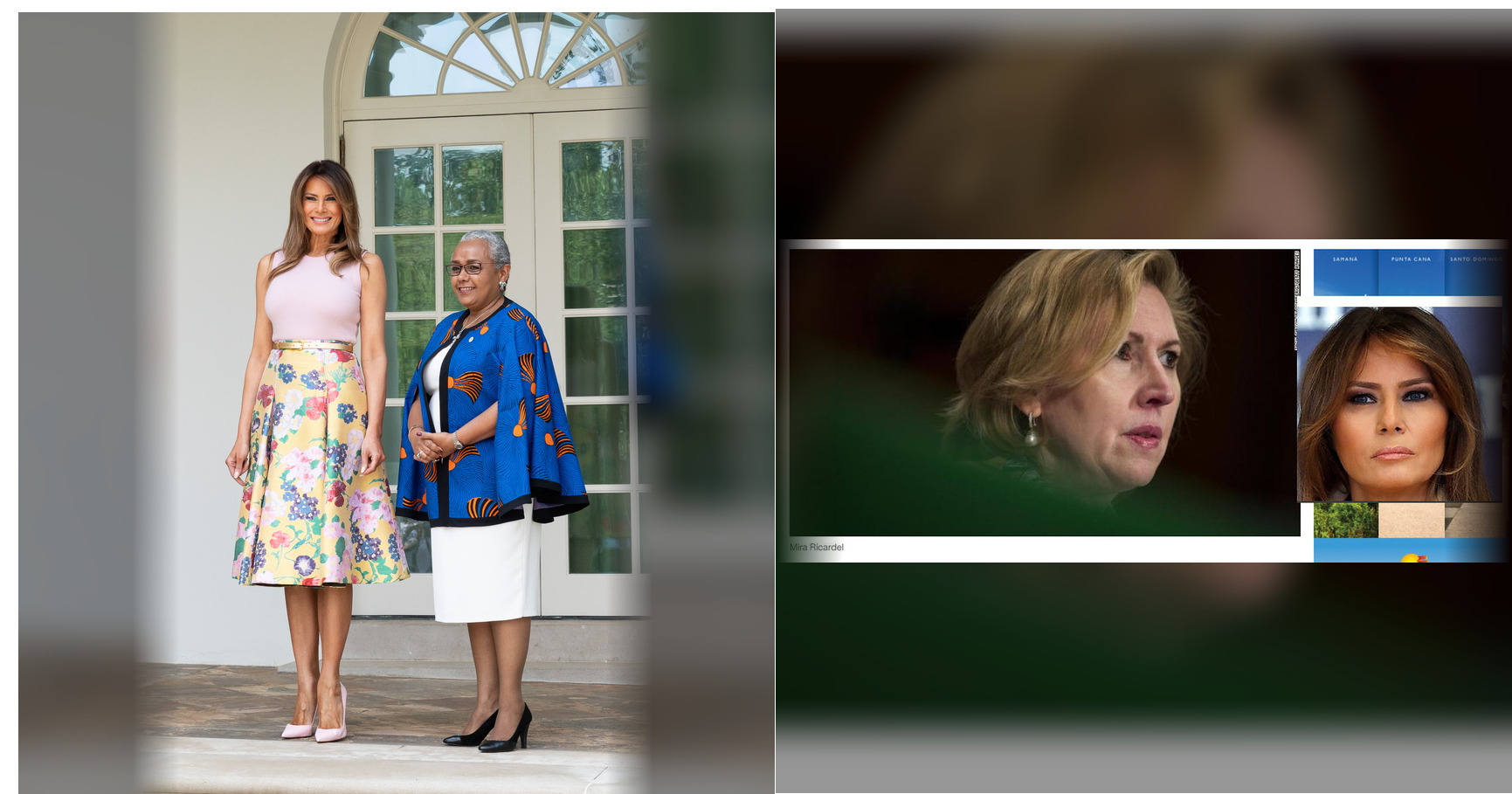
The 2018 dispute between Melania Trump and deputy national security adviser Mira Ricardel was more than a personality clash. It became a rare public demonstration of how the first lady’s office could shape a White House personnel decision.
Melania Trump pressed Donald Trump to remove aide Mira Ricardel, and Ricardel was forced out after a confrontation with the first lady, according to contemporaneous reporting. The episode mattered because Melania Trump’s office took the highly unusual step of publicly declaring that Ricardel no longer deserved to serve in the White House.
The public break turned an internal dispute into a direct message to Donald Trump’s staff: the first lady was prepared to defend her office openly, and her concerns could carry weight in a personnel fight at the highest level.
A rare public personnel demand
White House staffing fights are often resolved behind closed doors, through private discussions among the president, chiefs of staff and agency leaders. That was not how the Ricardel dispute unfolded.
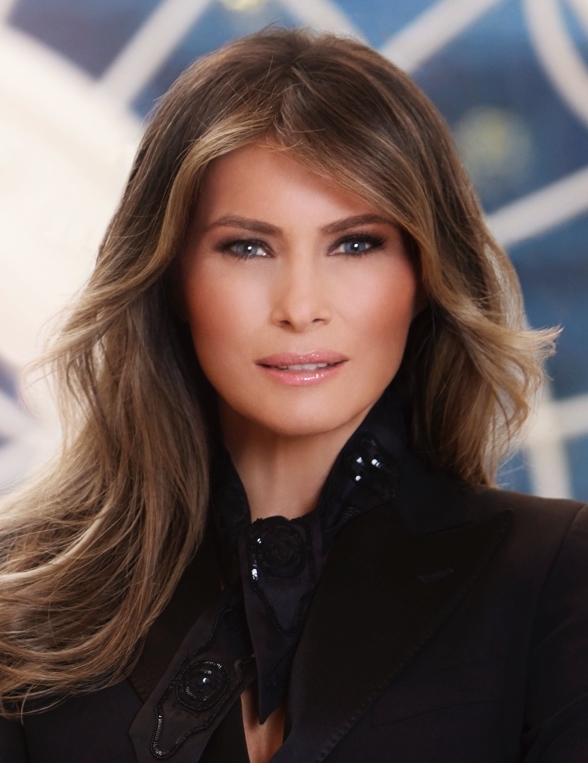
In November 2018, Stephanie Grisham, then spokeswoman for the first lady, issued a statement saying it was the position of the Office of the First Lady that Ricardel “no longer deserves the honor of serving in this White House.” The statement did not spell out every allegation or demand a specific timetable, but its meaning was unmistakable.
It put the first lady’s office on the public record against a senior national-security official. That alone made the incident stand out in an administration known for frequent internal conflict.
Who Mira Ricardel was
Ricardel was serving as deputy national security adviser, a senior role that placed her close to the White House’s foreign-policy operation. Her position gave the dispute added significance: this was not a disagreement with a junior staffer but a confrontation involving an official in a powerful national-security post.
Reuters reported at the time that sources said Melania Trump explicitly asked the president to oust Ricardel after their dealings connected to the first lady’s Africa trip “didn’t go well.” The reporting described pressure from the first lady on Donald Trump to remove the aide.
The precise full account of the dispute has never been publicly settled in a single authoritative record. Reports at the time pointed to friction over trip planning and other interactions between Ricardel and the first lady’s staff. Those accounts should be understood as reported descriptions of an internal conflict, not a complete public finding.
The message behind the statement
Calling the episode a “power move” can oversimplify it, but the statement did communicate a clear institutional boundary. Melania Trump’s office was signaling that it expected cooperation and respect from officials whose work affected the first lady’s agenda, travel and staff.
It also changed the terms of the dispute. Once the first lady’s office publicly said Ricardel should not remain at the White House, keeping Ricardel in place risked making the president appear to be overruling his wife’s office in full view of the public.
That is why the message reached beyond one aide. It suggested that staff members could not treat the first lady’s office as merely ceremonial when its work overlapped with the broader White House operation.
Ricardel’s departure followed quickly
Ricardel left her deputy national security adviser role shortly after the public statement. The White House initially said she would transition to another position within the administration, but she soon departed the administration altogether.
The sequence is central to the story. Melania Trump’s intervention was not simply a criticism aired from the sidelines; it was followed by a concrete personnel outcome for Ricardel.
It would be too broad to say that one public statement alone determined the decision. Senior-level personnel changes can involve multiple private discussions and competing considerations. Still, Reuters’ reporting that Melania Trump had directly pressed Donald Trump to remove Ricardel, followed by Ricardel’s exit, made the first lady’s influence difficult to dismiss.
Influence without an elected role
First ladies have long held informal influence, though the scope varies widely by administration and by individual. They are not elected officials, and their offices do not have the same formal authority as Cabinet departments or White House policy shops.
Yet proximity to the president, control over their own staff and public visibility can give first ladies considerable leverage. In this case, Melania Trump’s office used perhaps its strongest available tool: a public declaration that put political and reputational pressure on the White House to respond.
Supporters of that approach could see it as an effort to protect the first lady’s staff and ensure orderly work on an overseas trip. Critics could see a public personnel demand as an extraordinary use of influence by an unelected White House figure. Both readings reflect why the episode drew attention beyond the personalities involved.
Why the episode still resonates
The Ricardel dispute remains a useful example of how power inside a White House is not limited to formal titles on an organizational chart. Public messaging, personal trust and access to the president can shape outcomes just as decisively as job descriptions.
For Melania Trump, the episode countered the image of a first lady detached from the administration’s internal operation. For Donald Trump’s aides, it served as a warning that conflicts with the first lady’s office could become consequential quickly.
The unanswered question is how much of the final decision happened in private and how much the public statement accelerated it. What is clear is the visible result: Melania Trump made her position known, Donald Trump faced pressure to act, and Mira Ricardel’s time in the White House soon came to an end.




Leave a Reply