
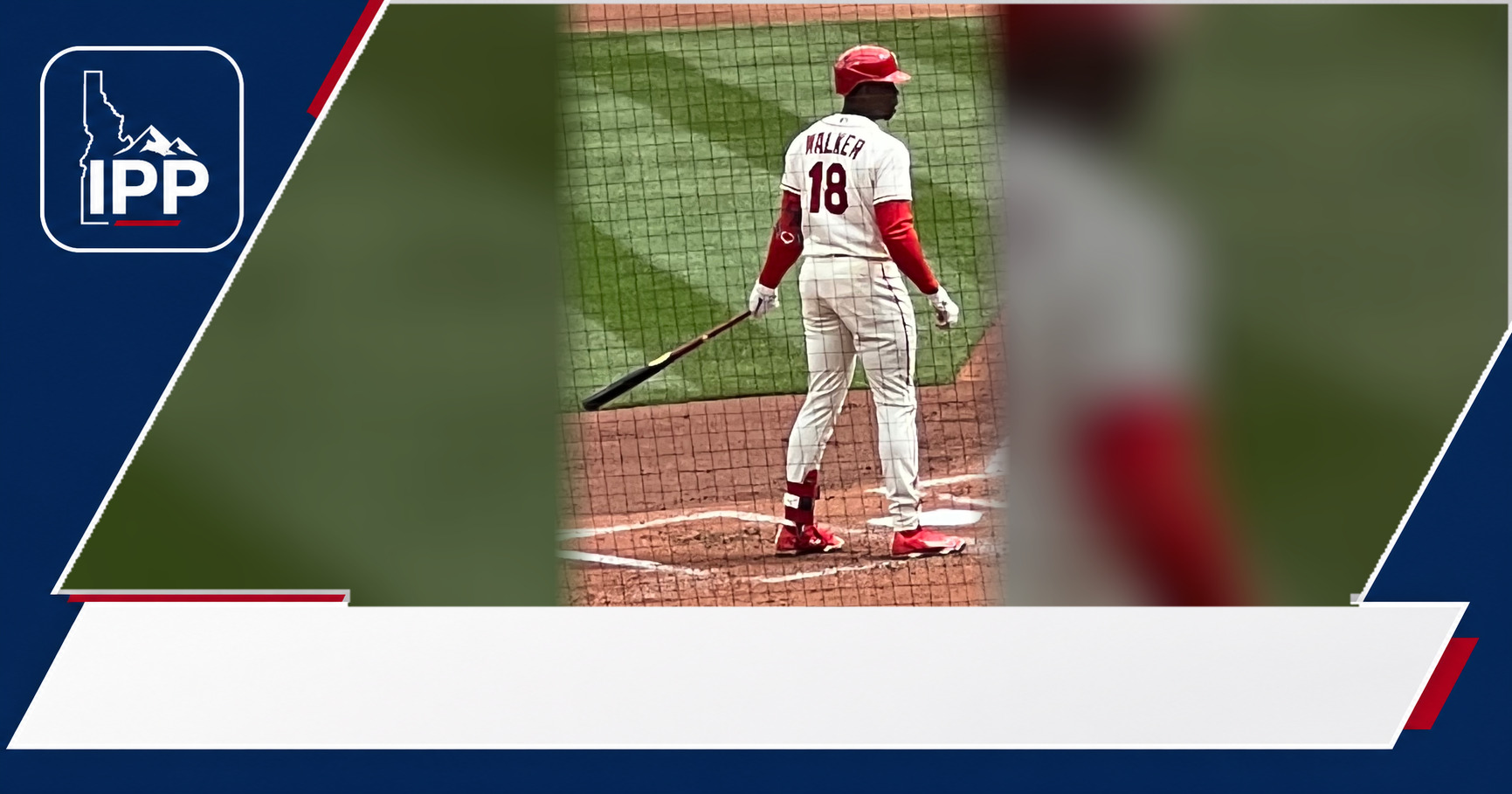
The Cardinals outfielder’s dramatic finish was more than an All-Star week highlight. It also put MLB’s young-player pay structure in unusually plain view.
Jordan Walker won the Home Run Derby on Monday, July 13, 2026, in Philadelphia at Citizens Bank Park, turning the MLB showcase into an unusually lucrative night for the St. Louis Cardinals outfielder. His $1 million prize was more than his $799,400 annual salary — 125% of it — and it came after a late surge in the final round.
Walker’s comeback win over Kyle Schwarber set up the rest of All-Star week, including the July 14, 2026 MLB All-Star Game at the same ballpark. The money is the part that makes the result travel beyond baseball.
A million-dollar swing night
Home Run Derby wins are built for instant replay: moonshots, timed rounds, exhausted sluggers trying to squeeze out one more ball before the buzzer. Walker’s win had all of that, but the cleanest number was not his home run total. It was the check.

USA Today reported that the Derby winner’s prize was $1 million, while Walker’s 2026 salary with the Cardinals is $799,400. That means the Derby payout was roughly 125% of what he is scheduled to earn for the entire MLB season.
That comparison is jarring because Walker is not an anonymous minor leaguer getting a novelty bonus. He is a 24-year-old major leaguer, a 2020 first-round draft pick and a player in his fourth big-league season. Yet he is still, according to the report, making close to the league minimum and is not eligible for arbitration until next season.
For most workers, a $799,400 salary is enormous. In baseball’s economic universe, it can still represent the controlled, early-career phase before a player has real bargaining power.
How Walker stole the final
The financial twist would not have landed the same way without the finish. Walker did not cruise to the prize. He trailed Schwarber in the final round, then hit six home runs on his last six swings to win 12-11.
That is the kind of ending the Derby exists to create: one player running out of time, one crowd trying to will the local favorite through, and one swing after another changing the mood. Schwarber, described by USA Today as the hometown favorite, had the Philadelphia crowd behind him. Walker had to hit through it.
The semifinals were not easy either. Walker edged Junior Caminero 6-5 before facing Schwarber. By the end of the night, he had hit 31 home runs across three rounds.
The Athletic framed the victory as a public arrival for Walker, using the quote “You don’t boo nobodies” in its headline on the win. That line captures the odd compliment inside a hostile crowd: if fans are loud enough to boo, they have decided the hitter matters.
The payout ladder beneath him
Walker was not the only player to turn Derby swings into real money. The prize structure made the night lucrative even for players who did not win, though the gap between first place and everyone else was steep.
- Jordan Walker: $1 million for winning the 2026 Home Run Derby.
- Kyle Schwarber: $500,000 as runner-up after losing the final 12-11.
- Earlier eliminated hitters: $150,000 apiece, according to USA Today.
- Junior Caminero: an additional $100,000 for the night’s longest home run, measured at 491 feet.
Those numbers explain why the Derby can be more than an exhibition for players, especially younger ones. The event carries injury risk, fatigue and scrutiny, but the payoff is not symbolic. For Walker, it was bigger than his listed season salary.
It is also worth keeping the figures in perspective. These are reported gross prize amounts. Taxes, representation fees and other deductions can change what a player actually takes home. The salary comparison is still meaningful, but it is not the same as saying Walker put a clean $1 million into his bank account overnight.
Why the salary gap stands out
Baseball’s pay system often creates moments that look strange from the outside. Young players can become everyday contributors, postseason factors or All-Star week attractions before their salaries catch up to their public profile.
Walker’s case fits that tension. He is already far enough into his career to be recognizable on a national stage, but not yet far enough into MLB service time to reach arbitration, where salaries can rise sharply based on performance and comparable players.
That is why the Derby prize can exceed the salary. It is not because the Cardinals suddenly valued the Derby more than the season. It is because two different systems are colliding: a collectively bargained salary structure for young players, and a showcase-event prize pool designed to attract stars and produce television moments.
There are fair arguments on both sides. Clubs and league officials can point to the rules that govern early-career pay and the fact that young players receive major-league salaries while still years away from free agency. Players and their advocates can point to the revenue they help generate before they have much negotiating leverage.
A win, not a contract
The Derby title gives Walker a highlight that will follow him, but it does not automatically rewrite his standing with the Cardinals. A power display in July is not the same as a full season of production, and front offices do not build contracts off one exhibition night alone.
Still, the visibility matters. Walker beat a hometown favorite in Philadelphia, did it with a final-round surge and left with the biggest prize available. For a young player approaching arbitration eligibility, national moments can become part of the broader story around his value, even if the formal process leans heavily on regular-season numbers.
The unanswered part is what this becomes beyond All-Star week. Does it mark a turning point in how Walker is viewed around the league? Does it become a fun footnote attached to a larger breakout? Or does it remain a spectacular one-night performance that says more about the Derby format than about his season?
What is clear is that Walker found the rare baseball stage where one night could out-earn his year. He did it not with a marketing stunt, but by surviving a bracket, silencing a road crowd and finishing with six straight home runs when there was no margin left.
Philadelphia keeps the spotlight
The Derby was only the first major event of the week at Citizens Bank Park. The 2026 MLB All-Star Game followed on Tuesday, July 14, keeping Philadelphia at the center of the sport for another night.
But Walker’s Derby win gave the week its sharpest financial snapshot. A 24-year-old Cardinals outfielder, still in the lower-salary phase of his MLB career, earned $1 million in one night by winning an event built for spectacle.
That does not make him underpaid in ordinary terms. It does make him a clear example of how baseball’s economics can look upside down when a young player’s biggest single-night payday comes from a trophy event rather than his team paycheck.
The swings were the show. The salary comparison is why people outside the box score noticed.








Leave a Reply