
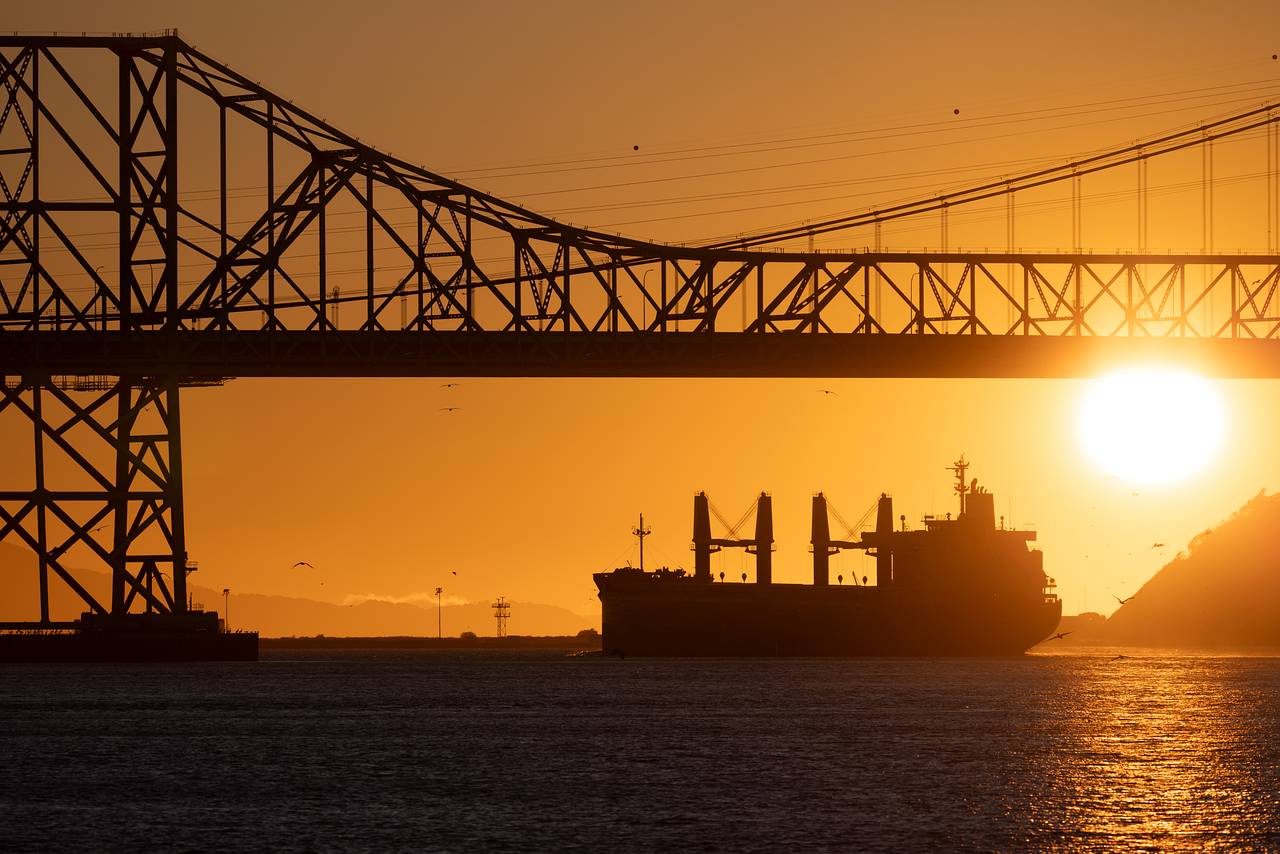
The reported strikes are not just about two vessels. They point to a widening Ukrainian effort to make fuel, ports and refineries harder for Russia to protect.
Ukraine’s drone war is no longer confined to trenches, airfields or refineries. Kyiv is increasingly aiming at the fuel routes that keep Russia’s military machine moving.
The latest signal came in the Sea of Azov, where Ukraine says naval drones struck two Russian tankers carrying gasoline toward occupied Crimea. The reported attacks landed alongside a much wider overnight barrage against ports, refineries, oil storage and air-defense targets across Russian-controlled territory.
Fuel routes become the target
Ukraine’s Unmanned Systems Forces said its naval drones hit two tankers in the Sea of Azov, according to gCaptain, which identified the vessels as the Engineer Trubin and the Captain Brett. The ships were allegedly carrying more than 14,000 tons of gasoline combined from the Russian port of Taganrog.
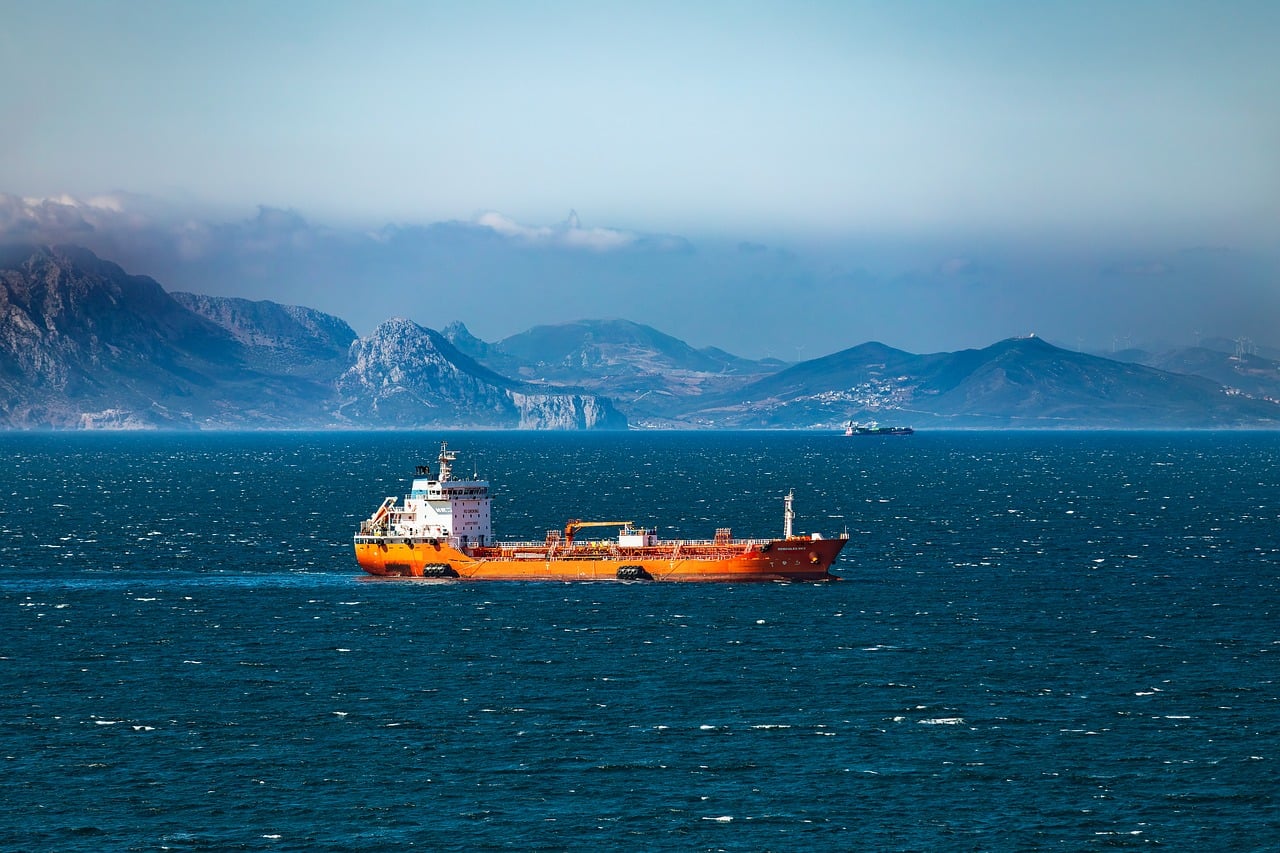
The destination mattered as much as the cargo. Ukrainian officials said the fuel was headed toward Russian operations in occupied Crimea, a region Moscow has used as a major military hub since seizing it in 2014 and reinforcing it after the full-scale invasion in 2022.
The Maritime Executive reported that each tanker was carrying about 7,000 tonnes of gasoline. Footage released by a Ukrainian-linked drone unit appeared to show one vessel catching fire, though independent verification of the full damage was not immediately available.
That uncertainty is typical in this phase of the war. Both sides publish selective claims after overnight strikes, and battlefield damage assessments often take days to confirm.
A wider overnight barrage
The tanker strikes were only one part of the operation Ukraine described. The Commander of Ukraine’s Unmanned Systems Forces said Ukrainian units struck 47 military targets during the night of July 6, The Maritime Executive reported.
The reported target list stretched well beyond the Sea of Azov. Ukraine said it hit an oil storage facility in Kerch, which it described as a logistics hub supplying Russian troops in occupied Crimea. Other reported targets included Russian air-defense systems, radar installations, aircraft hangars and fuel infrastructure.
Russian regional officials also described a large-scale drone attack. In Yaroslavl, the governor said more than 70 Ukrainian drones were shot down. In the Leningrad region, the governor reported 62 interceptions. Russia’s Defense Ministry said 519 drones were intercepted overnight, according to The Maritime Executive.
Those figures could not be independently reconciled with Ukraine’s claims. Russia often emphasizes interception totals, while Ukraine emphasizes successful strikes and damage to military logistics.
Why the Sea of Azov matters
The Sea of Azov is a small body of water with outsized military importance. Since Russia’s full-scale invasion, Moscow has heavily controlled the area, using nearby ports and coastal routes to support operations in southern Ukraine and Crimea.
That makes a Ukrainian strike there more than a symbolic action. If Kyiv can threaten vessels moving fuel between Russian ports and Crimea, it forces Moscow to spend more resources protecting routes it once treated as relatively secure.
gCaptain described the attack as a notable expansion of Ukraine’s maritime drone campaign. The Ukrainian unit said the tankers were operating in an area it considers a military zone, following a navigation warning issued earlier this year.
For Russia, the problem is not just the loss of any single tanker or cargo. It is the possibility that fuel shipments may need heavier escorts, altered routes, slower scheduling or more air-defense coverage around ports and coastal infrastructure.
Refineries are already under pressure
The tanker attacks fit a pattern. Reuters has reported repeatedly that Ukraine has stepped up long-range drone strikes on Russian refineries, oil depots, pipelines and military-linked factories, aiming to disrupt fuel supplies and Moscow’s war economy.
On July 1, a Ukrainian security source told Reuters that Ukraine’s SBU struck a refinery in Russia’s Saratov region, around 390 miles from the Ukrainian border. The source said the refinery supplied fuel to the Russian army. Russian officials acknowledged damage to an industrial facility but did not detail the extent.
On June 19, Reuters reported that a Ukrainian drone attack sparked a fire at the Novoshakhtinsk refinery in Russia’s Rostov region. Industry sources told Reuters the refinery halted operations after the attack. Russian officials said no one was injured.
Ukraine has also targeted factories linked to Russia’s drone and missile production. Reuters reported that a Ukrainian intelligence source said drones hit a Russian facility that makes warheads and rocket engines for Shahed-type drones used by Moscow against Ukraine.
Russia hits Kyiv in parallel
The escalation has not been one-sided. Around the same period, Russia launched major overnight attacks on Ukrainian cities, including Kyiv.
Reuters reported that Russia attacked Kyiv with 550 drones and missiles in an hours-long strike, killing one person and injuring at least 26. Ukrainian President Volodymyr Zelenskiy called it a “deliberately massive and cynical attack,” according to Reuters.
The Maritime Executive also reported that Russia launched a major overnight attack primarily targeting Kyiv after Zelensky had warned Moscow was “preparing a new massive strike.” Reports cited heavy damage and casualties, including in residential districts.
Moscow denies deliberately targeting civilians. Still, thousands of civilians have been killed or injured since Russia launched its full-scale invasion, and Ukrainian cities continue to face repeated missile and drone barrages.
The strategy behind the strikes
Ukraine’s logic is clear: Russia’s military depends on fuel, transport nodes, repair facilities, depots and production lines. If Ukraine cannot always match Russia’s volume of missiles and drones, it can try to make that system more expensive and fragile.
That strategy has several possible effects:
- It can slow logistics by forcing Russia to reroute fuel and supplies.
- It can stretch air defenses across ports, refineries, depots and inland factories.
- It can raise economic costs by damaging energy assets tied to Russia’s war economy.
- It can bring the war deeper into Russia, including regions far from the front line.
The reported triggering of air raid sirens in Chelyabinsk, more than 1,000 miles inside Russia, underlines that last point. Even when damage is limited, the psychological and defensive burden can be significant.
The risk for Ukraine is escalation and uncertainty. Strikes on fuel infrastructure can produce environmental hazards, civilian disruption and unpredictable military responses. They also rely on claims that are often difficult to verify in real time.
What remains unclear now
The most immediate unknown is the condition of the two tankers. Ukrainian-linked footage appeared to show a vessel on fire, but independent confirmation of the damage, casualties, cargo loss or whether either ship remained operational was not available from the extracted reports.
It is also unclear how Russia will adjust its maritime logistics in the Sea of Azov. Moscow could increase escorts, change shipping schedules, strengthen port defenses or move more fuel by rail and road. Each option carries costs and vulnerabilities.
The broader trend is easier to see. Ukraine is pressing deeper into Russia’s energy and logistics network, while Russia continues large-scale attacks on Ukrainian cities and infrastructure. The tanker strikes are one piece of that expanding contest.
If Kyiv can keep threatening fuel routes to Crimea, Russia may have to defend not only the front line, but the supply chain behind it. In a war of attrition, that may be exactly the point.










Leave a Reply