
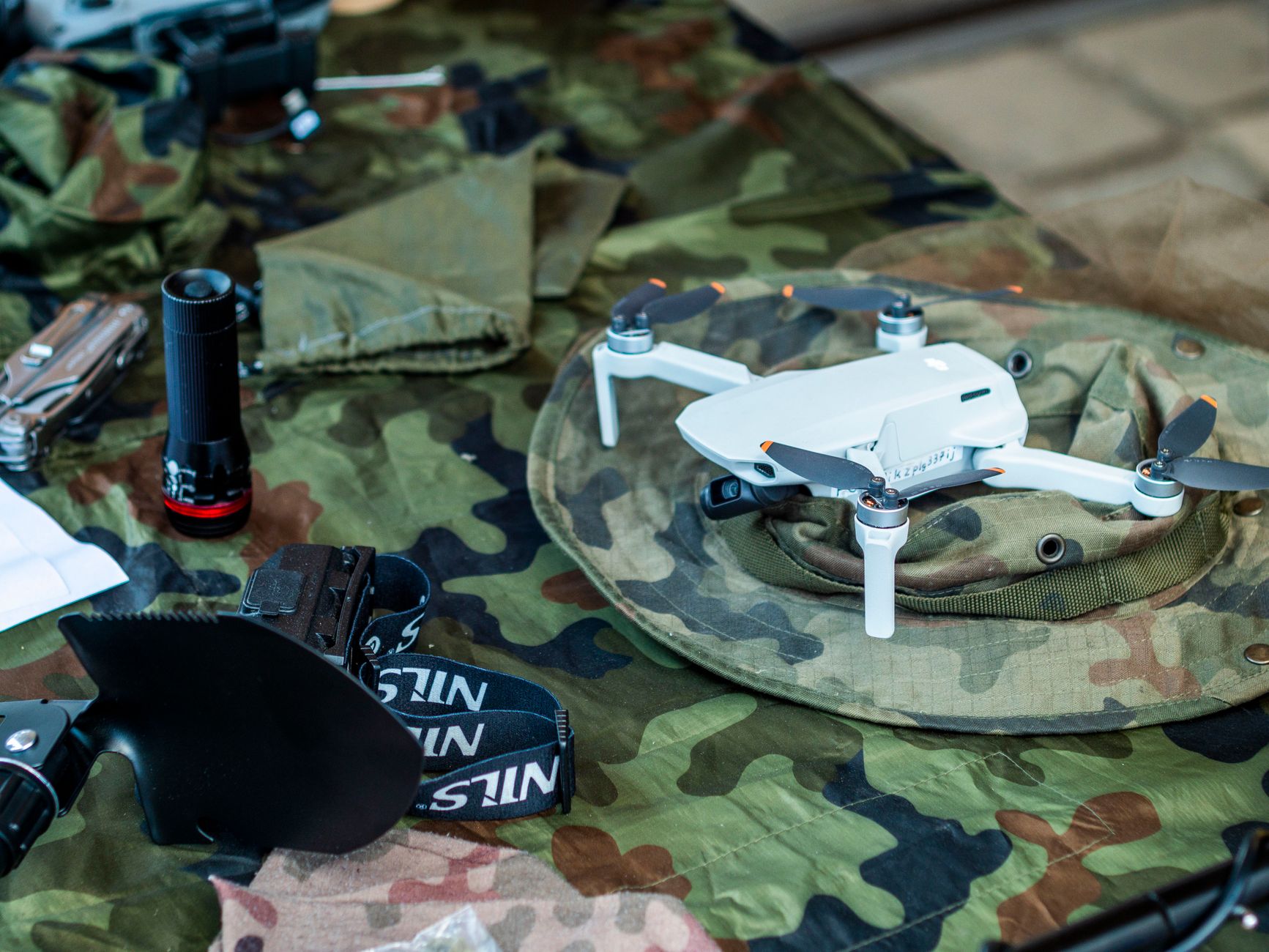
Kyiv’s expanding drone campaign is hitting Russian energy and military targets far from the front. The bigger lesson for NATO may be about speed, cost and where future defense money goes.
Ukraine’s drones are no longer just a symbol of battlefield improvisation. They are becoming a strategic problem for Russia and a budget problem for NATO.
After more than four years of war, Kyiv’s expanding long-range strike campaign is showing how cheaper, faster-moving weapons can pressure a much larger military power. It is also forcing Western defense planners to ask an uncomfortable question: are they buying for the wars they imagined, or the one already being fought?
Kyiv’s reach keeps growing
Ukraine has intensified drone strikes on Russian energy infrastructure and military assets, with oil refineries becoming a major focus of the campaign. According to CNBC’s reporting, Ukrainian attacks have targeted high-profile refining facilities as Kyiv tries to cut into Russia’s energy revenues and complicate Moscow’s war effort.
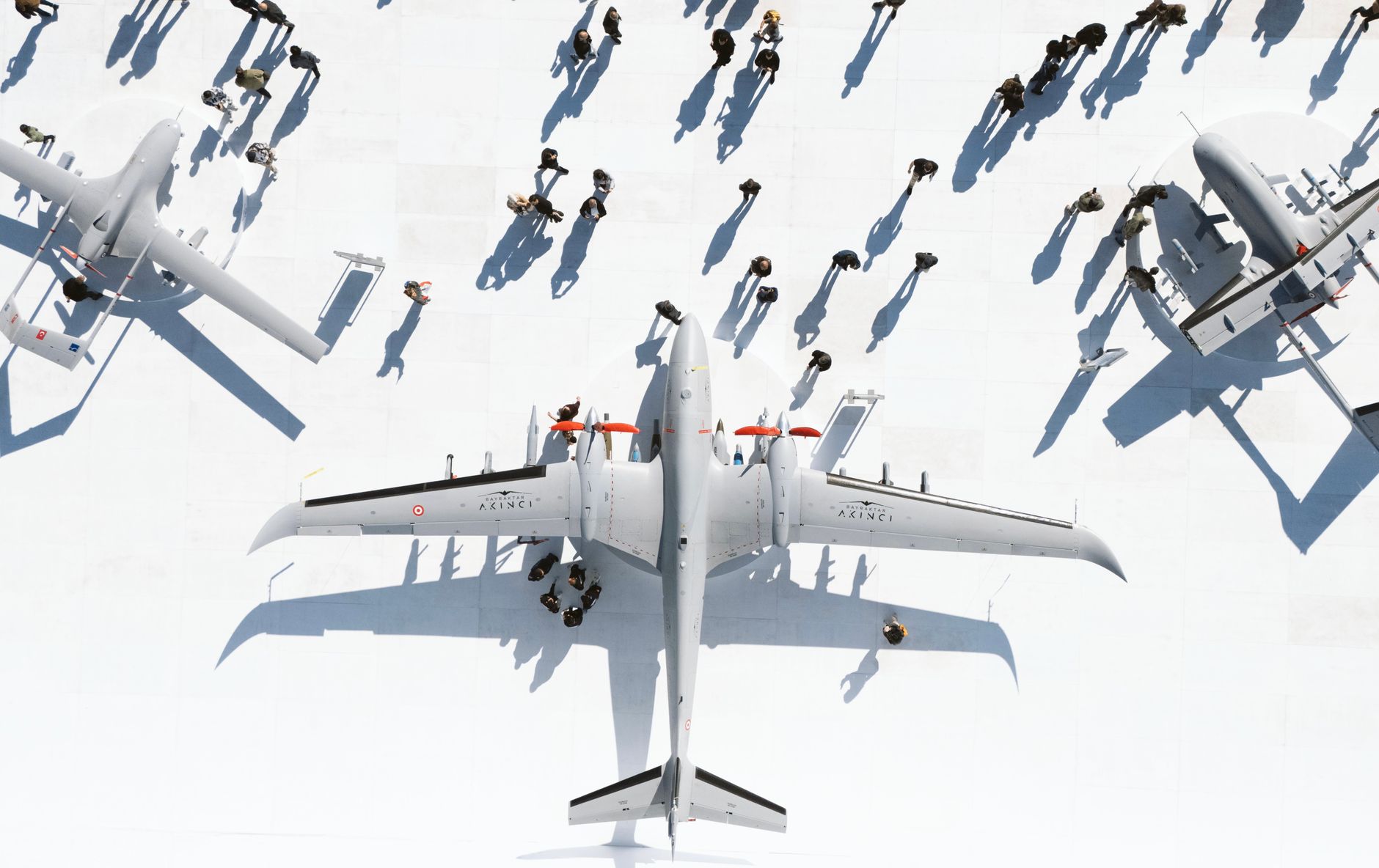
One of the most striking recent examples came in Omsk, where black smoke was seen rising from a major oil refinery after what appeared to be one of Ukraine’s deepest attacks inside Russian territory so far. Omsk is roughly 1,553 miles from Ukrainian territory and sits near Russia’s border with Kazakhstan.
Ukrainian President Volodymyr Zelenskyy said the country’s upgraded drone capabilities had put Siberia “within reach,” according to CNBC. That phrase matters because it signals more than a one-off strike. It suggests Ukraine wants Moscow to understand that distance is no longer the shield it once was.
The military effect is not only physical damage. Long-range drone attacks force Russia to defend more territory, spread air defenses thinner and protect industrial sites that were once far from the war’s daily pressure.
The refinery campaign has limits
Ukraine’s strikes on refineries are designed to hit Russia where it earns and spends. Oil and fuel infrastructure support the wider Russian economy, the military supply chain and the state revenues that help sustain the war.
Still, the damage calculus is not simple. Bob Tollast, a research fellow in land warfare at the Royal United Services Institute, told CNBC that Ukraine’s refinery campaign has become a “rain of blows,” but cautioned that it may be too early to know whether Russia will suffer lasting damage because the sector has historically had spare capacity.
That caveat is important. A refinery fire can be visually dramatic, but the strategic question is whether repeated strikes create durable shortages, higher costs, production bottlenecks or political pressure inside Russia.
Even without permanent shutdowns, repeated attacks can raise the cost of defense. Russia must decide which refineries, depots, air bases and factories get protection, and which remain exposed.
Why these drones are harder to stop
Ukraine’s drone advances are not only about building more aircraft. They are about making drones more resilient in a battlefield saturated with jamming, air defenses and electronic warfare.
Tollast told CNBC that two shifts have helped Ukraine accelerate long-range strikes: a concerted effort to boost production and improvements in inertial navigation, software and machine vision. Those upgrades can help drones keep operating when satellite navigation is disrupted.
That is a major battlefield lesson. If a drone depends entirely on GPS, it can be blinded or diverted. If it can navigate with other systems and recognize terrain or targets more effectively, it becomes much harder to defeat cheaply.
Ukraine has also benefited from an innovation cycle built under pressure. The country has leaned on domestic producers, startups, battlefield feedback and rapid iteration rather than waiting years for traditional defense programs to deliver finished systems.
NATO sees a procurement warning
NATO’s interest is not theoretical. Secretary-General Mark Rutte said this week that drones have “fundamentally altered” modern warfare and become a “decisive factor” on the battlefield, citing the Russia-Ukraine war as a key example.
Rutte announced the NATO Drone Edge initiative, under which allies are expected to invest more than $40 billion in counter-drone capabilities over the next five years, according to CNBC. He said the alliance is working to build a “drone-ready Alliance” by learning from Ukraine and investing in transatlantic defense industries.
That investment points to a broader shift. NATO has long been built around high-end platforms: fighter jets, tanks, ships, missile defenses and expensive command systems. Those still matter. But Ukraine has shown that low-cost drones, networked sensors and rapid software updates can shape a war in ways that legacy procurement systems were not designed to match.
The result is a spending shock. Counter-drone systems, electronic warfare, battlefield data, autonomous platforms and faster production lines are moving from niche concerns to core defense priorities.
Ukraine is no longer just a recipient
The war has also changed how Ukraine is viewed by its Western partners. Kyiv still depends heavily on outside support, but it is increasingly seen as a source of battlefield knowledge rather than only a recipient of weapons and funding.
Ulrike Franke, a senior policy fellow at the European Council on Foreign Relations, told CNBC that Ukraine has become highly capable in drones and counter-drone systems, areas where many NATO allies have weaker practical experience. She also pointed to Ukraine’s data on fighting Russian forces as a valuable asset.
That data is not abstract. It includes what survives jamming, what gets shot down, how Russian defenses adapt, how units use small drones daily and how quickly new designs become obsolete.
Morningstar analyst Loredana Muharremi told CNBC that Ukraine became a global leader in drone warfare out of necessity. Facing a larger and better-equipped military, it had to innovate quickly with lower-cost commercial drones adapted for military use. She argued that the deeper innovation was not just the technology, but the procurement model.
The escalation risk remains real
Ukraine’s deep-strike campaign carries obvious military logic, but it also raises the risk of escalation. Strikes far inside Russia can sharpen Moscow’s incentives to retaliate and expand the range of targets it considers legitimate.
Russia has not stood still. It has scaled its own drone production and integrated drones more deeply into its military operations. Moscow has also tried defenses such as nets, interceptors and air defense systems positioned on towers or tall buildings, though experts cited by CNBC said those efforts have had mixed results.
The contest is becoming a race between attack and defense. Each side is trying to build more drones, jam more signals, protect more infrastructure and shorten the time between battlefield lesson and battlefield deployment.
For NATO, that may be the most important takeaway. Ukraine’s drone war is not simply proving that drones matter. It is proving that the side that adapts faster can force much larger institutions to rethink what power looks like, what protection costs and how quickly yesterday’s arsenal can start to feel old.










Leave a Reply