
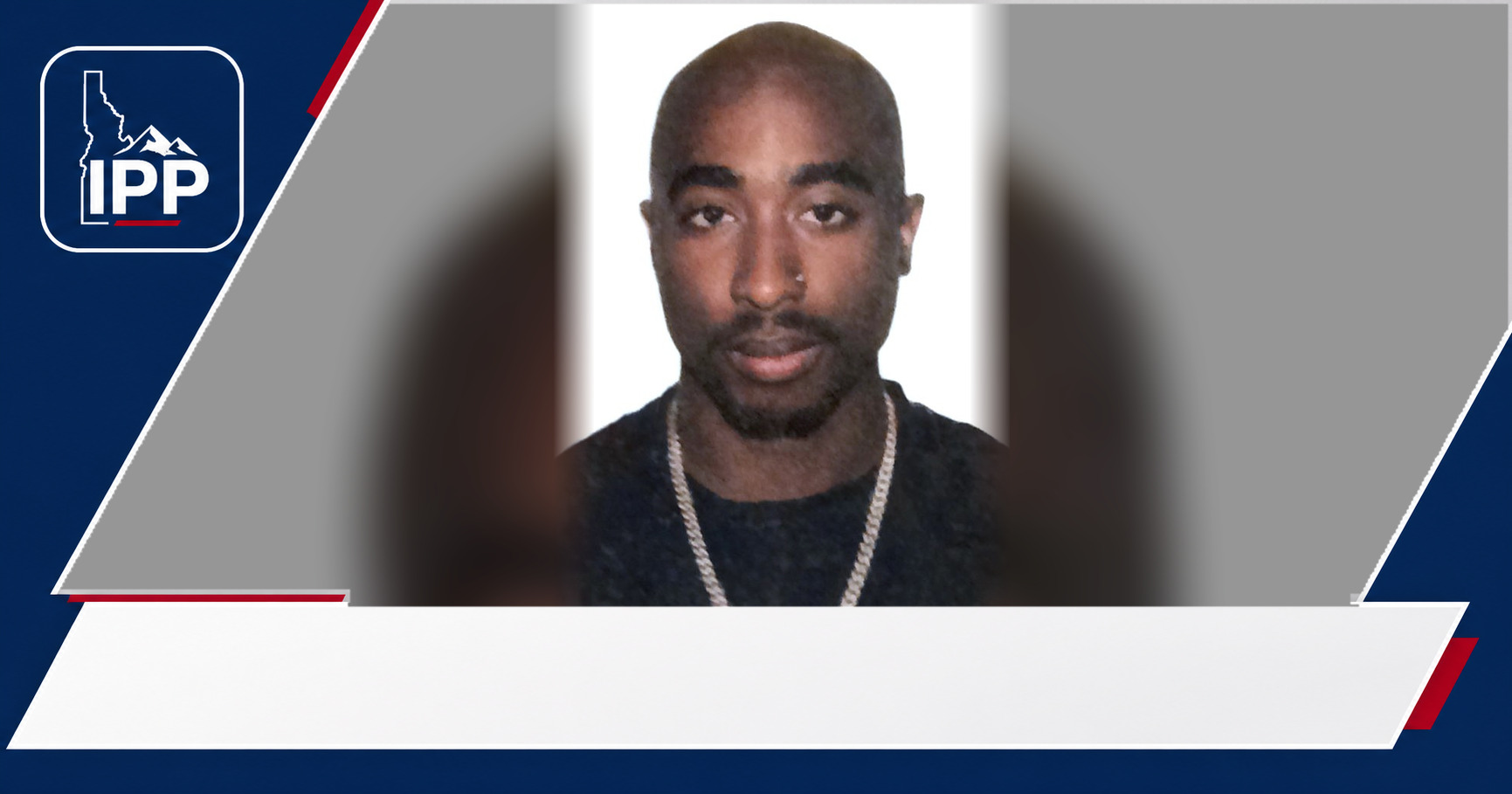
The painful testimony brought Shakur’s family into direct contact with details of a killing that remained unresolved for decades. It also marked a stark moment in the trial of Duane “Keffe D” Davis, who has pleaded not guilty.
Some members of Tupac Shakur’s family left the courtroom before autopsy photos were shown Tuesday at the Las Vegas trial of Duane “Keffe D” Davis. Other family members remained in the courtroom while prosecutors presented the photos during the trial of the man charged in Tupac Shakur’s killing.
The different choices underscored the personal cost of revisiting Shakur’s 1996 death nearly 30 years later. Davis, 63, is charged with orchestrating the drive-by shooting and has pleaded not guilty.
A painful day for Shakur’s relatives
The photos were presented on the second day of testimony as prosecutors sought to establish the medical facts of Shakur’s death. Relatives who stayed in the courtroom looked away as jurors viewed the images, according to The Associated Press.
Shakur’s cousin, Zayd Akinyela, said he chose to remain because he wanted a fuller understanding of what happened to his cousin. For him, the difficult evidence was connected to a search for personal closure.
“I think we’ve been waiting 30 years to grieve properly,” Akinyela told AP outside court. He said the details could help those close to Shakur process a loss that has long been surrounded by uncertainty, speculation and public attention.
After seeing the evidence, Akinyela said he felt angry and sad. He also said he had not previously known how many times Shakur had been shot.
Medical testimony detailed Shakur’s injuries
Dr. Lisa Gavin, a forensic pathologist and medical examiner for Clark County, described the wounds Shakur suffered after the September 1996 shooting. Gavin did not conduct the original autopsy; the examiner who did has since died.
Gavin testified that one bullet caused Shakur’s lung to collapse and bleed. Doctors later removed the damaged lung in an effort to save him, she said.
Other gunshots injured his intestines and additional parts of his body, according to her testimony. Shakur spent six days in a hospital before he died.
The nearly full courtroom was silent as jurors examined the photos, AP reported. The evidence was not simply historical material in a famous unsolved case; it was a direct accounting of the physical consequences of an attack that ended the rapper and actor’s life at age 25.
Prosecutors’ account centers on retaliation
Prosecutors allege that Shakur was killed in retaliation for an assault on Orlando “Baby Lane” Anderson, Davis’ nephew, hours earlier at the MGM Grand following a Mike Tyson fight.
Jurors were shown casino surveillance video that prosecutors say depicted people beating and kicking a person on the ground. The footage then showed Shakur and his entourage moving through the crowded casino shortly afterward.
Later that night, Shakur was riding in a black BMW with Marion “Suge” Knight when shots were fired from a white Cadillac, prosecutors allege. Davis, Anderson and two other men were in that Cadillac, according to the prosecution’s account.
Davis is not accused of firing the gun. The charge against him is based on the allegation that he orchestrated the shooting. Those are claims prosecutors must prove beyond a reasonable doubt at trial.
The defense disputes the prosecution’s story
Davis has pleaded not guilty. His lawyer characterized the prosecution’s narrative as “fiction” during opening statements, creating the central divide the jury will have to assess.
That divide matters because the prosecution is trying to reconstruct events from 1996 through testimony, records, video and witnesses whose memories and willingness to speak may be contested. The case arrives decades after the shooting, and several figures tied to that era have died.
One witness, James McDonald, testified under court order and made clear he was reluctant to revisit past gang conflicts. McDonald said he did not want to provide answers that could hurt Davis and warned prosecutors they should treat him as a hostile witness.
His testimony illustrated one challenge of trying an old, high-profile case: witnesses may have personal loyalties, resentments and reasons to resist discussing events that have been the subject of rumors for years.
Gang rivalry is part of the trial’s context
McDonald, like Knight, had been affiliated with the Mob Piru Bloods gang and worked security for Knight at Club 662, where Shakur and Knight were headed when the shooting occurred. Davis was a member of the rival South Side Compton Crips, according to the testimony described by AP.
Reggie Wright Jr., a former Compton police officer whose security company worked with Knight’s Death Row Records, also testified about tensions between Death Row and Sean “Diddy” Combs’ Bad Boy Records in the period before Shakur was killed.
Wright said Shakur’s security had been increased after the release of “Hit ’Em Up,” Shakur’s diss track directed at Bad Boy’s Notorious B.I.G. Wright denied any involvement in Shakur’s killing when asked by prosecutors.
The references to rival labels, gangs and the East Coast-West Coast rap feud offer context, but they do not resolve the legal question before the jury: whether prosecutors can prove Davis’ alleged role in the shooting.
A trial with private and public stakes
Shakur remains one of hip-hop’s most influential artists, and his death has occupied an outsized place in music history. That cultural stature means the trial is being watched not only as a criminal proceeding, but as a long-awaited attempt to answer questions surrounding an artist whose work and image remain deeply present.
For his relatives, though, Tuesday’s testimony showed the distance between public fascination and private grief. Some stepped out to avoid the autopsy images; others stayed, even when the evidence was emotionally overwhelming.
The trial will continue with prosecutors presenting their case and the defense challenging its evidence. What remains unresolved is how the jury will weigh testimony about a killing that has been discussed publicly for decades against the proof required in a courtroom.
The immediate takeaway: the autopsy testimony gave jurors a clinical record of Shakur’s death, while the reactions of his family made clear that the case is still intensely personal nearly three decades later.


Leave a Reply