
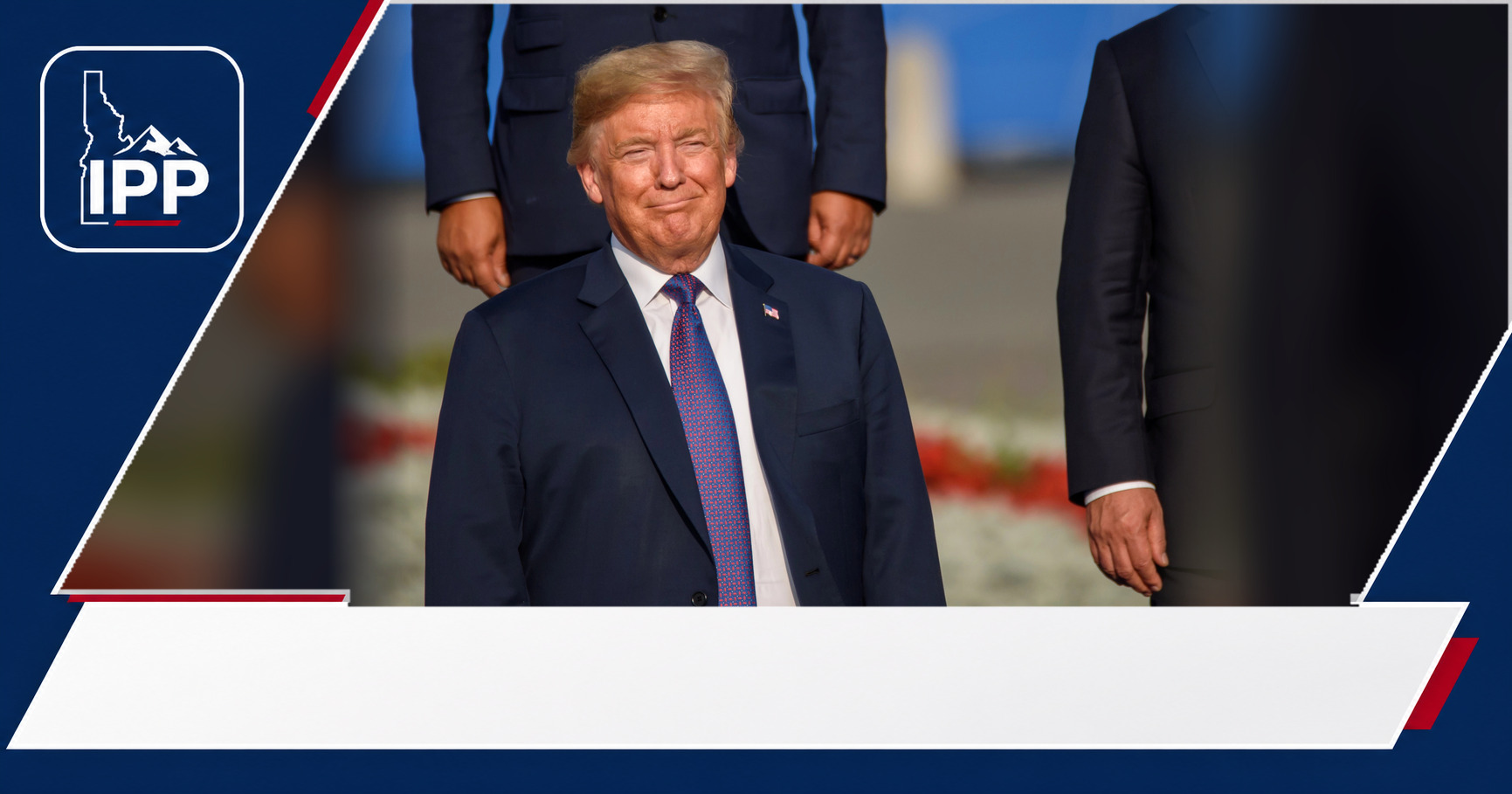
The cause of the patchy grass near the World War II Memorial has not been publicly established. Trump attributes it to vandalism, while the site’s recent use for a large July 4 event offers another possible explanation.
A broad brown patch of lawn near the World War II Memorial has become the focus of a dispute over what damaged it. President Donald Trump says vandals were responsible, but he has not publicly laid out evidence linking the condition of the grass to a deliberate act.
Photos, reporting on the site’s use during Trump’s July 4 celebration and comments from turf specialists leave the cause unresolved. They also illustrate why a photograph alone cannot establish whether damage came from vandalism, event-related wear, construction activity or another factor.
A photo cannot establish the cause
Trump’s Truth Social post Sunday included a photo of a broad, brown and uneven section of turf near the World War II Memorial. The post did not identify a suspect, describe an act that allegedly killed the grass or cite an investigation.
John Kaminski, a Penn State University professor who studies turf, told the Associated Press that nothing visible in Trump’s photo clearly indicates vandalism. He said it was impossible to rule causes in or out from the image alone, but called a jump to vandalism a substantial leap.
Bradley S. Klein, a golf-course consultant and freelance journalist, likewise said Trump’s post did not describe the specific problem in enough detail to support a firm conclusion about the lawn’s condition.
Neither assessment determines exactly why the grass died. Diagnosing turf damage typically requires information beyond appearance, including the condition of the soil, roots, irrigation, recent weather, site access and the timing of structures or treatment.
A separate vandalism case involved the memorial
Authorities have documented a separate vandalism incident at the World War II Memorial. An arrest was announced after the words “Clean hands dirty $” were painted on the monument and bubbles were put into a fountain.
Jeanine Pirro, the U.S. attorney for the District of Columbia, said felony charges were being brought against Melissa L. Farris. A video posted by a woman identified in reporting as Farris appeared to show her painting the memorial and waiting to be arrested.
Charging documents in that case did not mention the grassy area Trump highlighted. The alleged memorial vandalism and the cause of the brown grass are geographically connected, but the available records describe them as separate matters.
The site also hosted Trump’s July 4 event
The lawn in question was used for Trump’s July 4 event marking the nation’s 250th anniversary. Images captured by a webcam atop the Washington Monument and photos taken after the celebration showed a large bandstand and seating areas occupying nearly the entire lawn.
Later images showed workers removing event structures and brown grass underneath. Trump has said more than 400,000 people attended before a storm delayed his remarks, though he did not provide evidence for that attendance figure.
Large gatherings can place turf under unusual pressure. Temporary flooring, equipment, shade, compaction from foot traffic and heat can affect grass, particularly when a site is used intensively and then quickly cleared.
Trump made an unequivocal accusation
Trump said in his Sunday post that vandals had damaged grass between the World War II Memorial and the Reflecting Pool. He also repeated his view that the Reflecting Pool itself had been vandalized and said it would reopen “better than ever” soon.
His accusation centers on the same area where a stage and crowds were present for the July 4 celebration. A public accusation can describe a concern, but it is not the same as a finding by park officials, investigators or an independent turf assessment.
For now, the publicly reported evidence has not established whether the dead grass resulted from deliberate damage, event-related wear or another cause.
The Reflecting Pool disagreement came first
Trump’s remarks follow a broader disagreement over damage at the Lincoln Memorial Reflecting Pool. Earlier this month, Pirro’s office concluded that damage there resulted from poor construction rather than vandalism, contradicting Trump’s earlier characterization.
Trump criticized that conclusion and argued that the grass was part of a “pure case of VANDALISM.” In an August 1 post, he highlighted an image that appeared to show “86 47” marked in the grass. Federal officials have said that phrase can constitute a threat against Trump, the 47th president.
The numbers were not visible in the more recent photo Trump posted Sunday. That leaves uncertainty over whether he was pointing to the same damage, a different period of damage or a broader claim about conditions around the memorials.
Agency findings could clarify the lawn damage
The National Park Service and the Interior Department were asked for more information, according to the Associated Press report. A response from either agency could clarify whether inspectors found evidence of deliberate damage, event-related wear, construction problems or multiple causes.
Two facts can coexist: a person has been charged in an alleged vandalism incident at the World War II Memorial, and the cause of the adjacent brown grass has not been publicly established. Trump has made his case in unequivocal terms; the publicly reported evidence does not provide the same certainty.
The National Mall is both a working landscape that hosts enormous events and a national symbol. That makes the explanation for a damaged lawn more consequential than an ordinary maintenance dispute.




Leave a Reply