
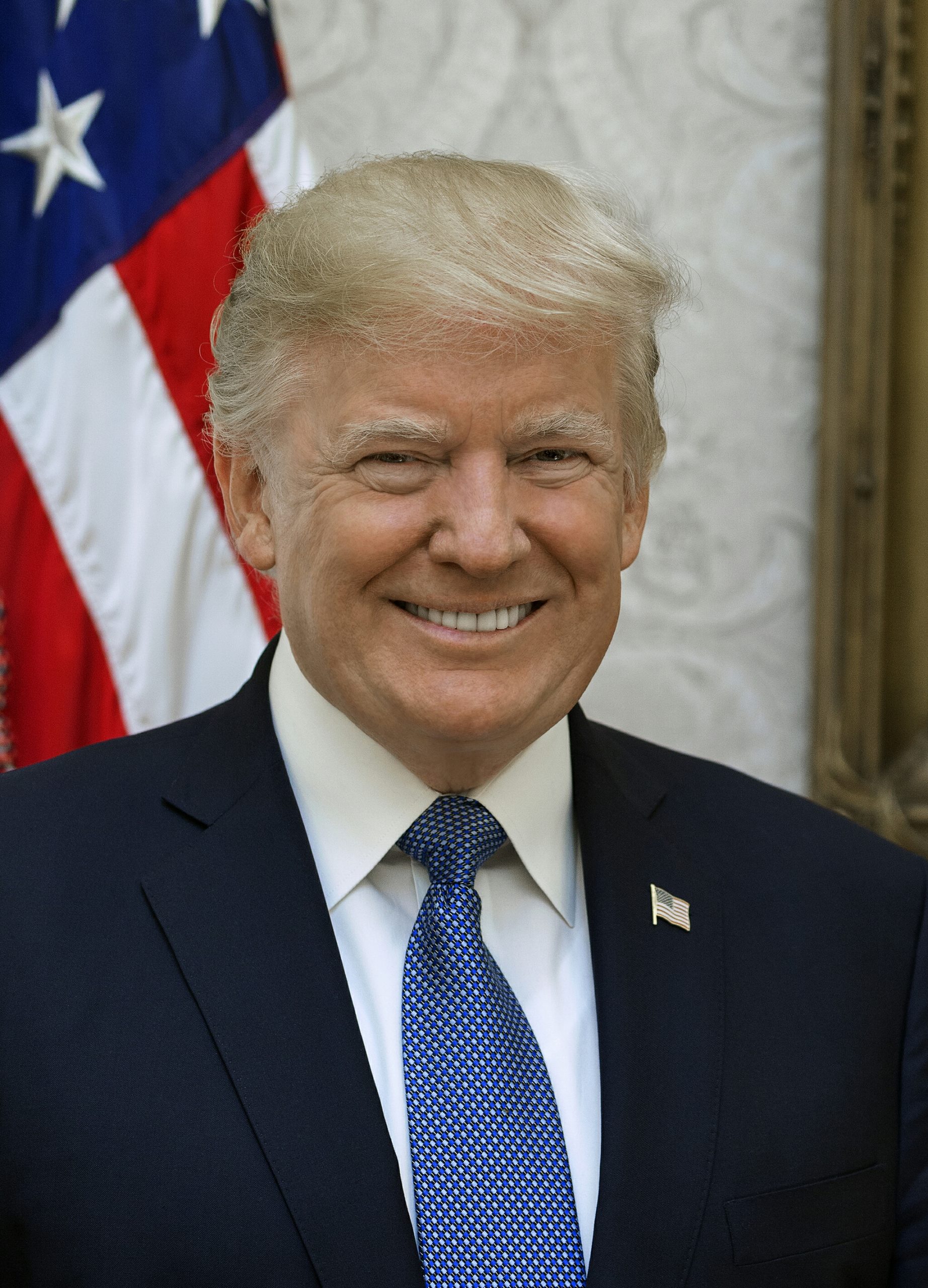
The president is blaming Canada for wildfire smoke drifting into U.S. cities and says the cost should be added to tariffs. The threat raises a bigger question: can trade punishment do anything about a cross-border climate hazard?
Donald Trump threatens to raise tariffs after wildfire smoke from Canada has affected the United States, saying Canada is responsible for the smoke that has “unnecessarily invaded” American airspace and cities. The tariff threat matters now because it turns a public-health emergency into a trade fight between two close neighbors.
Trump says Canada is responsible for the smoke and, according to CNBC and CNN, argued the costs of the air pollution should be added to tariffs Canada is “currently paying.” The claim lands as Canadian fires are sending haze across U.S. communities and raising questions about what retaliation can realistically fix.
Smoke becomes a trade weapon
Trump’s argument is simple and politically charged: Canada, in his view, has failed to manage its forests and brush, and Americans are paying the price in dirty air. CNN reported that Trump said the United States is holding Canada responsible for not properly maintaining its forests and brush.
CNBC reported that Trump called the situation “totally unacceptable” and said the costs inflicted on the United States by the air pollution “must of necessity be added” to existing tariffs. The New York Times also reported that Trump threatened Canada with tariffs tied to wildfire smoke affecting U.S. cities.
That is an unusual leap. Tariffs are normally imposed on imported goods, not on smoke, haze or pollution drifting across a border. They are a trade tool, not an environmental cleanup bill.
The politics are more familiar. Trump has long used tariffs as a pressure tactic against allies and rivals alike. This time, though, the target is not steel, cars, dairy or lumber. It is the damage caused by air that moves where weather systems take it.
Canada faces fast-moving fires
The smoke is not coming from a single smokestack or factory. It is tied to large wildfires burning in Canada, including fires that Canadian officials say have intensified in recent weeks.
CNBC reported that Canadian Prime Minister Mark Carney said on X that the wildfires had “escalated significantly,” particularly in Northwestern Ontario, where thousands of people have been forced to evacuate. Trump, according to the same report, said he planned to call Carney to ask what Canada would do about the fires.
That sets up a difficult diplomatic exchange. Canada can fight fires, deploy emergency crews and coordinate with provinces and Indigenous communities. It cannot simply stop smoke at the border.
Wildfire behavior depends on heat, drought, wind, fuel conditions and firefighting capacity. A change in wind direction can turn a Canadian disaster into a U.S. air-quality crisis within hours.
The air problem is real
The health stakes are not theoretical. Wildfire smoke can carry fine particles deep into the lungs, aggravating asthma, heart disease and other conditions. During severe smoke events, even healthy people may experience burning eyes, coughing, headaches and shortness of breath.
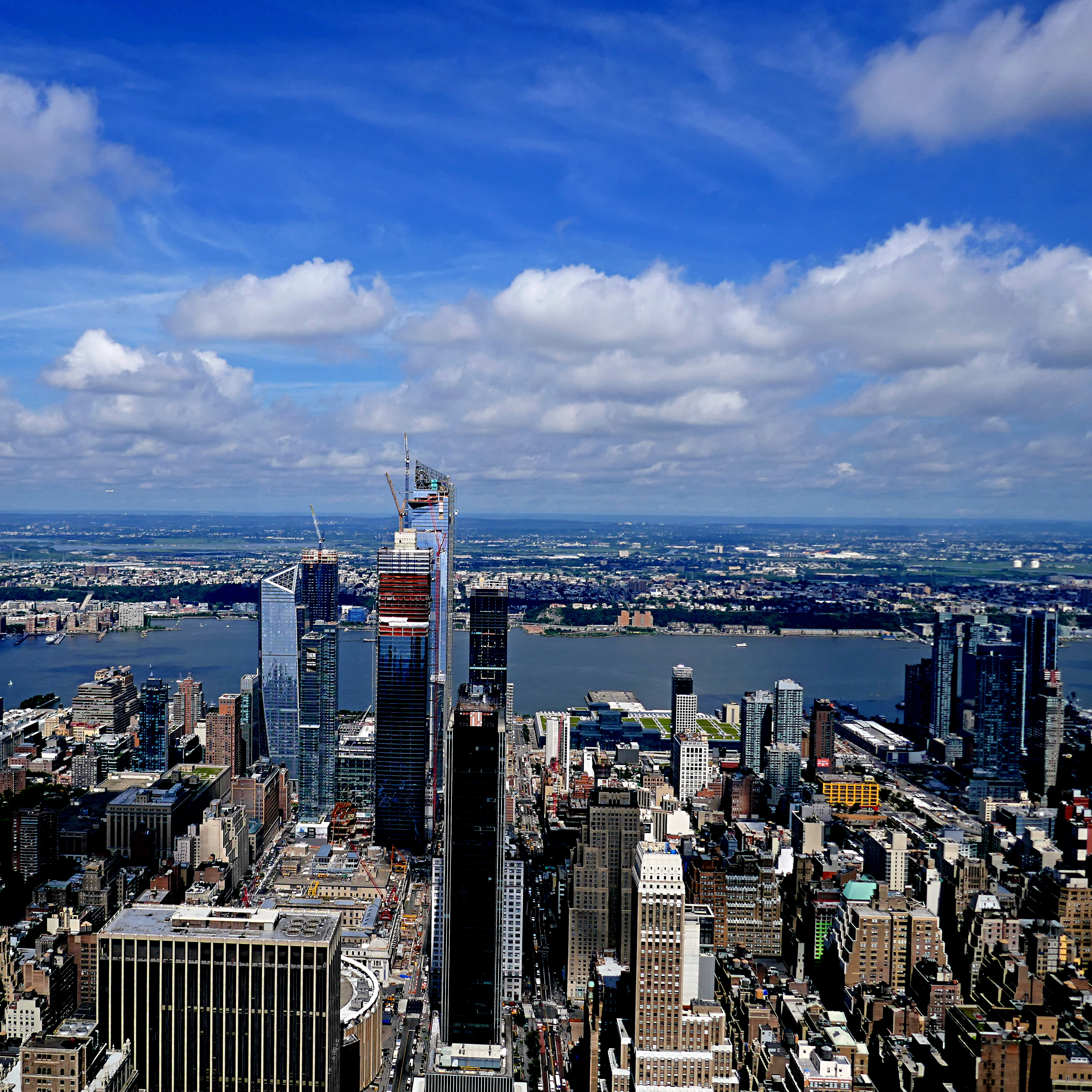
CNBC reported that smoke from Canadian wildfires reduced visibility and cast an orange haze over New York City. It also noted concerns about dangerous air quality in major U.S. cities and questions about possible effects on outdoor events, including the FIFA World Cup final scheduled for northeast New Jersey.
Environmental Protection Agency Administrator Lee Zeldin said, according to CNBC, that the impacts of Canadian wildfires were causing concern and harm across the United States. He said the EPA was communicating with Canadian leadership and encouraging Canada to extinguish the fires as quickly as possible.
For residents under smoke alerts, the practical advice is less dramatic than the tariff threat but more immediately useful: monitor local air-quality readings, reduce strenuous outdoor activity when conditions are poor and use filtered indoor air when available.
Tariffs are a blunt tool
The central problem with Trump’s threat is fit. Tariffs can raise the cost of imported goods. They can pressure governments in trade negotiations. They can also invite retaliation. What they cannot do directly is put out wildfires or clear smoke from the sky.
There is also the question of who pays. Politicians often describe tariffs as costs paid by foreign countries, but tariffs are collected on imports, and their costs can be passed along to U.S. companies and consumers. If Canadian goods are hit with higher duties, Americans could feel part of the bill through higher prices.
Supporters of Trump’s approach may see the threat as leverage: a way to force Canada to spend more, move faster or accept responsibility for cross-border harm. Critics are likely to see it as a mismatch, using trade punishment to address a climate and emergency-management problem that requires coordination.
The strongest version of Trump’s case is that smoke has real costs, and those costs do not stop at national borders. The weakest part is the remedy: a tariff does not identify a clear damage calculation, a clear responsible party or a clear path to cleaner air.
Climate politics hover over it
Wildfire smoke has become one of the most visible ways climate risk reaches people far from the flames. A person in Manhattan, Detroit or Chicago may not see a fire line, but they can still smell it, breathe it and watch the sky change color.
CNBC noted that climate scientists warn human-influenced climate change is contributing to more extreme wildfire conditions and other severe weather events. The same report cited New York Times reporting that the Trump administration has moved to dismantle government labs researching wildfire smoke and its effects.
That contrast gives the tariff threat a sharper edge. Trump is demanding accountability for smoke while his administration’s broader approach to climate and environmental research remains a major point of dispute.
Canada also faces its own political pressures. Wildfires can strain provincial resources, displace remote communities and create public anger over preparedness. Blame from Washington may harden positions rather than speed cooperation.
What remains unresolved
The immediate unknown is whether Trump’s threat becomes policy or remains a warning. He has not, based on the available reports, laid out which Canadian imports would face higher tariffs, how much rates would increase or how the United States would calculate smoke-related damages.
It is also unclear how Canada would respond. Ottawa could push back diplomatically, emphasize firefighting efforts, seek technical cooperation or warn against punishing trade partners for an environmental disaster.
The broader question is bigger than one smoke event. As wildfires grow more destructive and smoke travels farther, countries will face more cross-border disputes over air, water, power grids and emergency costs. Trade penalties may be tempting because they are visible and forceful.
But for people breathing smoke, the useful test is narrower: does the response reduce harm? On that measure, tariffs may create a fight quickly, but cleaner air will require firefighting, forecasting, public-health planning and a level of U.S.-Canada coordination that smoke itself does not wait for.








Leave a Reply