
Trump’s reported remarks put a key Gulf mediator in the crosshairs just as Iran and Oman try to finalize a plan for shipping through one of the world’s most important energy waterways.
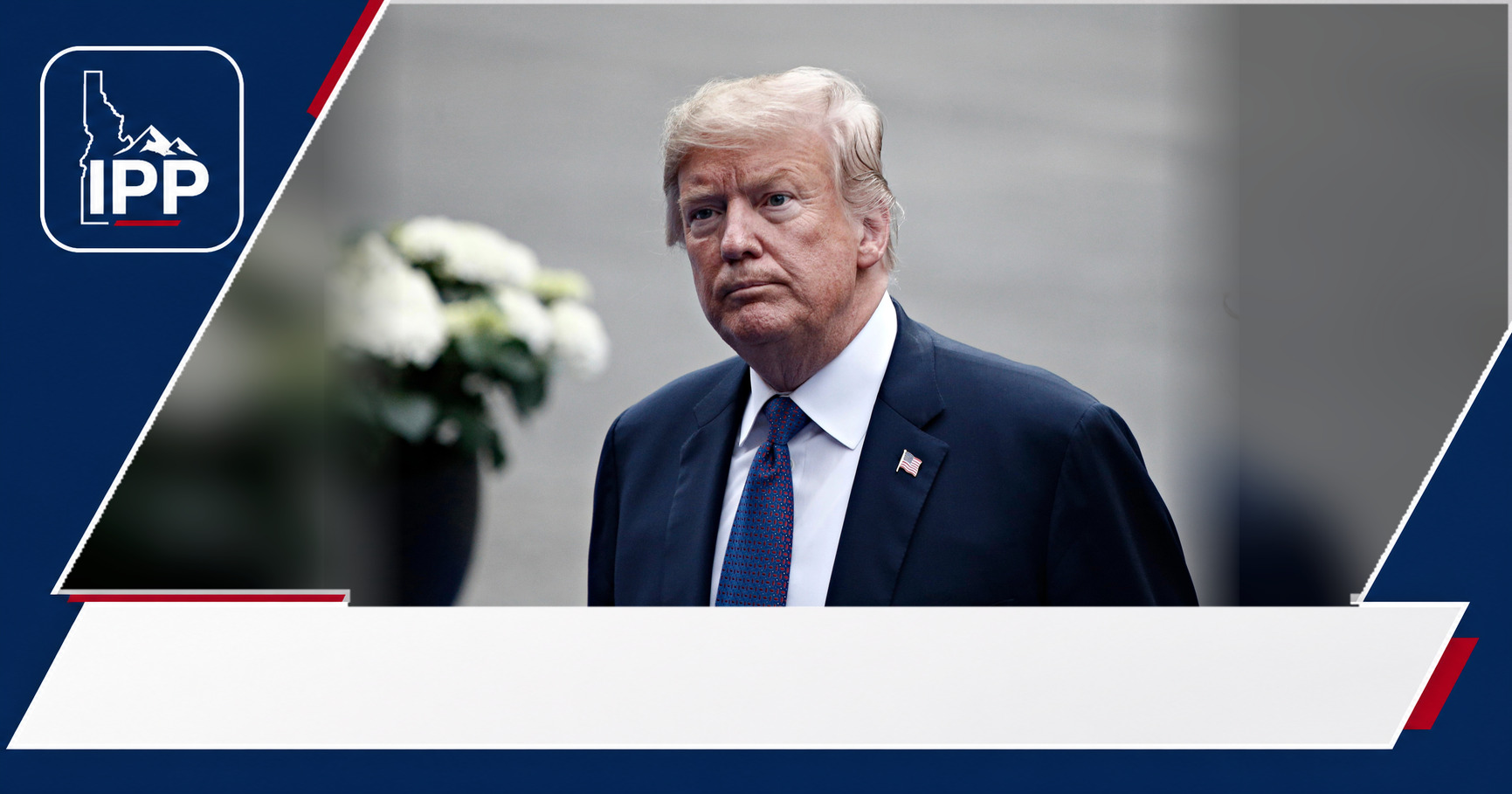
Donald Trump threatened to bomb Oman if it got in the way of U.S. efforts involving Iran, Fox News correspondent Trey Yingst reported Monday. The threat was connected to negotiations over shipping through the Strait of Hormuz, where Oman has been working with Iran on an agreement to manage transit through the strategic waterway.
The remarks matter because Oman is not simply another Gulf state in this dispute. It sits alongside the Strait of Hormuz, has long served as a channel for diplomacy involving Iran, and is now part of talks that could determine how — and on what terms — ships move through a route vital to global oil supplies.
What Trump reportedly told Fox News
According to reporting by The Associated Press, Trump told Yingst that the United States would bomb Oman if it “gets in the way,” using an expletive for emphasis. Fox News did not provide audio from the reported phone interview, AP said.
The reported comment came as the U.S. sought an acceptable arrangement for reopening the Strait of Hormuz before ending its blockade of Iranian ports. Trump also said the expiration of a 60-day period for negotiations over ending the Iran conflict was not decisive and that there was no fixed timeline, according to Yingst’s account cited by AP.
That leaves important questions unanswered: what specific action by Oman Trump would regard as interference, whether the White House intended the remark as a direct policy warning, and whether any diplomatic message was delivered to Oman’s government separately.
Oman’s role in the shipping talks
Iran said it had reached an understanding with Oman on a plan for ships to transit the strait and was working to finalize details for a joint statement. Iranian Foreign Affairs spokesperson Esmail Baghaei said an understanding had been reached on the transit route, AP reported.
Details remain limited. But previously reported outlines suggest ships would enter along a route close to Iran and exit near Oman, with no fees or tolls during an interim period.
For Tehran, such an arrangement could provide a controlled route back through the waterway. For Oman, it offers a role in reducing a dangerous regional bottleneck. For Washington, the test is whether the arrangement produces a reopening it considers secure and workable.
Why the Strait of Hormuz matters
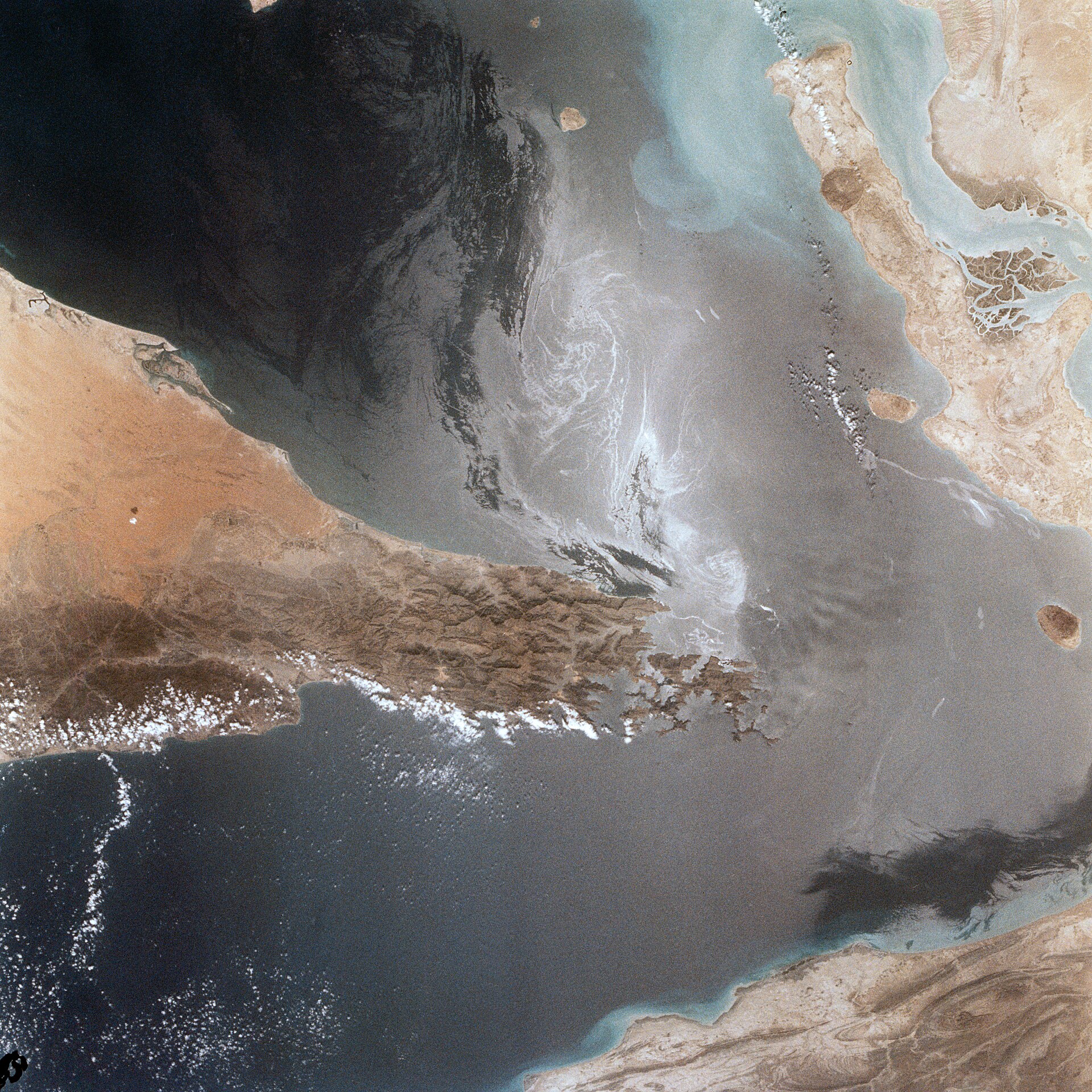
The Strait of Hormuz is a narrow passage between Iran and Oman linking the Persian Gulf to the Gulf of Oman and the Arabian Sea. Before the conflict, roughly one-fifth of globally traded oil moved through it, according to AP.
Iran effectively closed the waterway after Israel and the United States attacked the country on Feb. 28, AP reported. That disruption turned freedom of navigation into a central pressure point in the wider conflict, with consequences reaching beyond the countries directly involved.
Any prolonged interruption can unsettle energy markets, raise shipping and insurance costs, and force cargoes onto longer or less predictable routes. A deal that restores transit would therefore carry commercial consequences as well as military and diplomatic ones.
A mediator caught in a harder position
Oman’s geography makes it essential to any practical discussion about the strait. Its diplomacy makes it particularly valuable to parties that may not trust one another enough for direct negotiations.
That is why Trump’s reported threat creates an unusual tension. The same country helping Iran shape a transit plan may be viewed by Washington as indispensable to reopening the route — or as an obstacle if the final arrangement does not meet U.S. demands.
Supporters of tougher U.S. pressure could argue that public warnings are meant to prevent a deal that entrenches Iranian control over a major shipping artery. Critics are likely to see threats against Oman as counterproductive, potentially weakening the very mediation channel needed to reduce the risk of escalation.
This was not the first warning
AP reported that Trump had previously threatened Oman in May. During a Cabinet meeting, he said Oman would have to “behave just like everybody else” or the U.S. would have to blow it up.
Repeated threats make it harder to dismiss Monday’s reported remark as an isolated expression of frustration. They also increase pressure on Oman to show that its work with Iran can produce a shipping arrangement acceptable to the United States.
Still, public rhetoric and operational decisions are not the same thing. The available reporting does not establish that the U.S. has announced an imminent strike plan against Oman, nor does it identify a specific Omani action that would trigger military force.
What to watch in the coming days
The immediate development to watch is whether Iran and Oman issue the joint statement they have been discussing and whether it defines a route, monitoring system or other conditions for commercial transit.
It will also matter whether the U.S. publicly accepts, rejects or seeks changes to the arrangement. The status of the U.S. blockade of Iranian ports is closely tied to that question.
For now, Trump’s reported comments have placed Oman at the center of a dispute that combines military pressure, energy security and negotiations with Iran. The next test is whether the shipping talks become an off-ramp from confrontation — or another reason for it to intensify.





Leave a Reply