
A Florida primary upset and a family’s public grief dominated separate headlines on the same news cycle. Here is what is known, what each development signals and what remains unresolved.
Angie Nixon won the Democratic Senate primary in Florida, delivering a Democratic socialist upset over Alex Vindman, while Hayden Panettiere’s mother, Lesley Vogel, spoke publicly after her daughter’s death. The two developments make for an unusually stark morning rundown: one carries implications for the Democratic Party’s direction in Florida, and the other centers on a family speaking during an intensely private period of grief.
Nixon’s victory was reported after Florida’s Tuesday primary, and Vogel’s first public comments were published by NBC News on Aug. 18, 2026. The political result has clear electoral consequences; the family interview leaves major questions about Panettiere’s death unanswered, as it should in the absence of publicly established details.
Nixon’s win breaks expectations
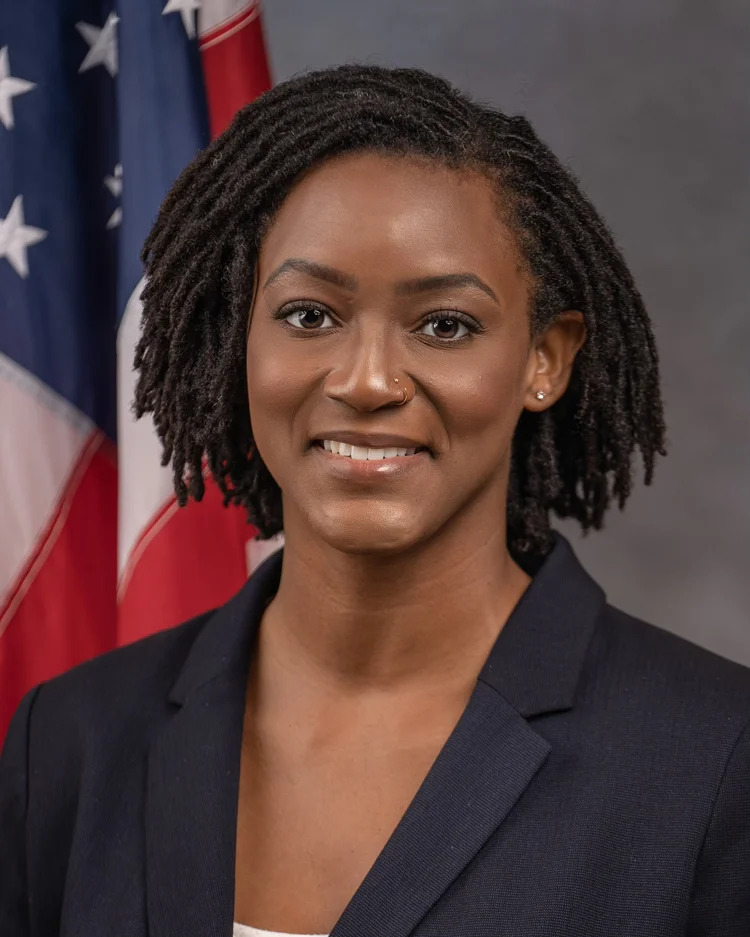
The New York Times reported that Nixon, a Florida state representative and democratic socialist, defeated Vindman in the Democratic Senate primary. The result stood out because Vindman had raised 16 times as much money as Nixon, according to the newspaper’s election coverage.
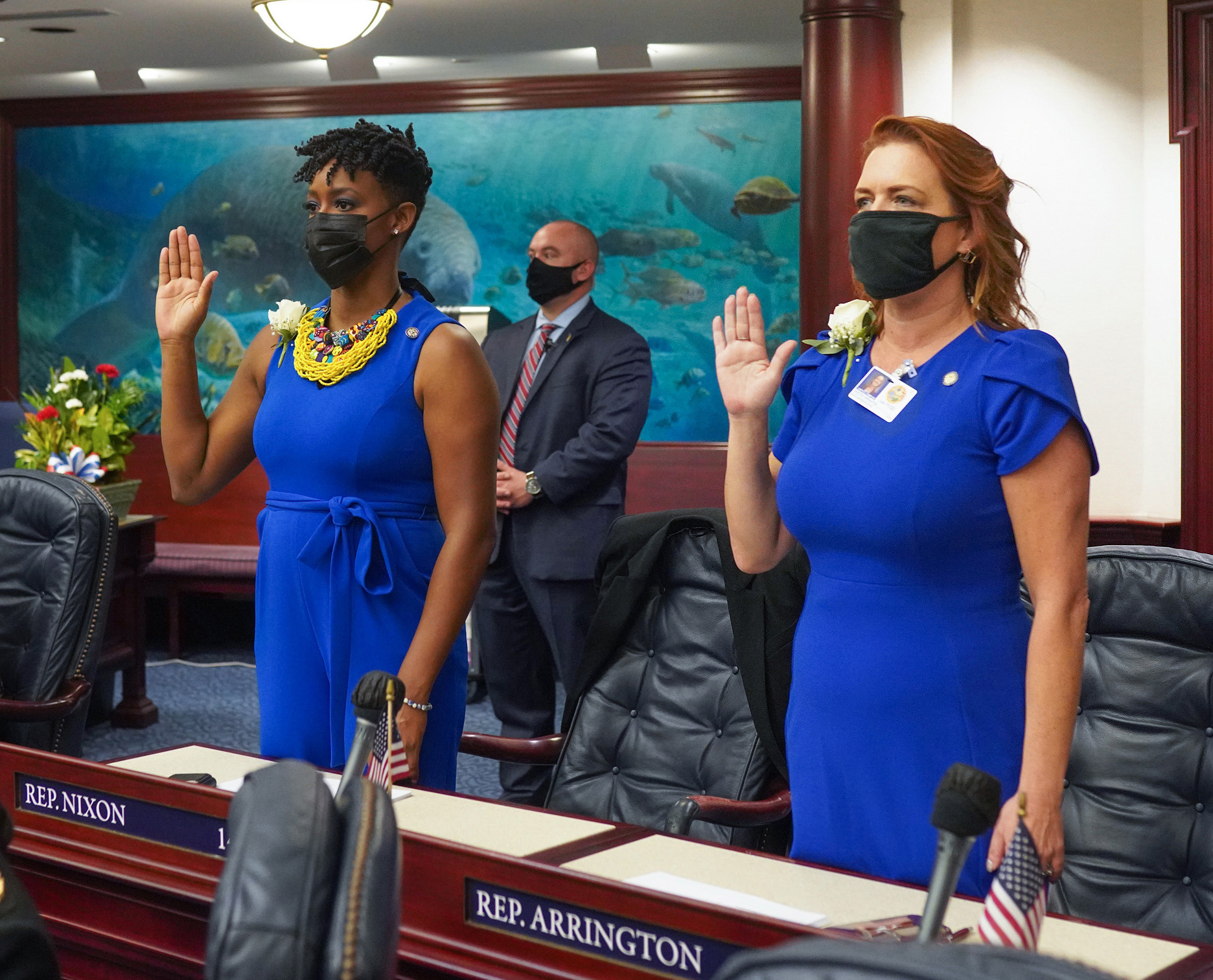
Nixon framed the result as a win for ordinary people while speaking to supporters in Jacksonville. Her message and political identity place the contest in a broader argument inside the Democratic Party: whether candidates from its left flank can translate grassroots enthusiasm into victories even when they face better-funded opponents.
That does not mean a single primary settles the debate. Florida remains a difficult statewide environment for Democrats, and a primary coalition is not automatically a general-election coalition. Still, the result gives Nixon a concrete political credential that ideology alone cannot provide: she won a competitive nomination contest.
Money did not decide it
The fundraising gap makes Nixon’s victory more than a routine primary result. Campaign money can pay for advertising, staff, voter contact and name recognition, but it cannot guarantee that a candidate’s message will land with the voters who actually cast ballots.
There are competing ways to read the outcome. Supporters of the party’s left wing may see it as evidence that an explicitly democratic socialist candidate can out-organize and outconnect a more financially advantaged rival. Skeptics may argue that the race’s specific candidates, local dynamics and turnout patterns matter more than any national ideological takeaway.
Both points can be true. Primaries are often shaped by factors that do not travel neatly from one state or district to another: candidate familiarity, field operations, endorsements, timing and which voters participate. The most meaningful next measure will be whether Nixon can broaden support beyond the coalition that delivered the nomination.
A Florida result with wider echoes
The Times characterized Nixon’s win as part of the Democratic Party’s ascendant left wing. That phrase captures a real tension, but it should not be mistaken for a settled national verdict. Democrats are still balancing competing approaches on economic policy, public safety, foreign policy and campaign strategy.
For Florida Democrats, the immediate question is more practical: how Nixon positions herself for the next phase of the race and whether the party rallies around her. A high-profile primary win can energize volunteers and donors, but it can also sharpen disagreements over the message best suited to the state.
The election night also produced results beyond Florida, including primaries in Alaska and Wyoming, according to the Times. Nixon’s race nevertheless drew attention because it combined an ideological label, a well-funded opponent and an upset outcome—three ingredients that invite national interpretation.
Lesley Vogel speaks in grief
In a separate report, NBC News said Lesley Vogel shared her first public comments since the death of her daughter, actor Hayden Panettiere. Vogel described Panettiere as “an amazingly talented person,” a remembrance that kept the focus on her daughter rather than the machinery of celebrity news.
NBC also reported that Vogel discussed the family’s longstanding concerns about Brian Hickerson, Panettiere’s on-again, off-again boyfriend. Vogel told the outlet that the family had been trying to get rid of him “for quite some time.” That is Vogel’s account, reported in an interview; it is not a public finding about responsibility for Panettiere’s death.
The distinction matters. Grieving relatives can offer essential personal context, but their statements do not answer questions that may depend on official records, investigations or information not yet made public. The available reporting does not establish a cause or manner of death, and it would be irresponsible to fill that gap with inference.
What the public does not know
Celebrity deaths often produce a rush to connect personal relationships, past public struggles and fragmentary reports into a complete narrative. That impulse can be especially strong when a loved one mentions concerns that had not previously been discussed in detail.
But there is a difference between reporting a family member’s words and assigning causation. NBC’s report provides Vogel’s perspective on her daughter and on the family’s concerns. It does not, based on the material available, establish what led to Panettiere’s death or whether any individual bears legal or other responsibility.
That boundary is not merely technical. It protects the accuracy of coverage and respects the reality that a public figure’s family may be processing loss in real time. New verified information could alter the public record; until then, the most defensible account is also the narrowest one.
Two stories, different stakes
Nixon’s primary victory and Vogel’s interview share little beyond appearing in the same morning news cycle. One is a measurable contest of votes, money and political strategy. The other is a personal statement amid bereavement, where restraint matters as much as disclosure.
For readers, the useful takeaway is to separate what has been confirmed from what is being interpreted. Nixon has a documented upset victory over a better-funded opponent, with the general-election implications still to be tested. Vogel has offered her first public remembrance of Panettiere and described family concerns, while the circumstances surrounding the actor’s death remain unclear in the reporting available.
Those distinctions keep both stories in proportion: a consequential political signal from Florida, and a painful family account that deserves care rather than speculation.









Leave a Reply