

Trump is now describing the White House ballroom as the structure above an underground military project, not simply a venue for state functions. The new explanation intensifies questions about transparency, preservation and the project’s purpose.
Donald Trump is trying to reframe the White House ballroom project around a claimed underground “military complex,” saying the ballroom will effectively sit above a massive military facility under construction. The shift matters because the White House ballroom was initially promoted as a place to host VIP guests and major events, while Trump now casts it as part of a national-security need.
Speaking to reporters aboard Air Force One, Trump said the military is building a “massive complex” beneath the ballroom and that the event space “essentially becomes a shed for what’s being built under.” His remarks add a new layer to an already contested plan to replace the East Wing with a 90,000-square-foot ballroom estimated at $400 million.
A new case for the ballroom
The administration’s public argument for the project appears to have changed. Trump originally described the planned ballroom as a way for the White House to accommodate formal gatherings without relying on tents or other temporary setups for large events.
Now, Trump is emphasizing what he says is below it. According to NBC News, he told reporters that information about the underground construction had emerged because of a lawsuit, and he said the work was ahead of schedule.
That does not necessarily mean the ballroom has ceased to be an event venue. Trump continued to praise the design in his remarks, calling it a long-lasting project and showing reporters renderings. But describing the ballroom as a cover structure for military work gives the project a distinctly different public purpose.
What Trump has actually claimed
Trump’s language is significant, but it should be read carefully. He said the military is building a “massive complex” under the ballroom; he did not publicly provide a detailed description of its size, mission, cost, capabilities or the agencies that would operate it.
News reports had previously indicated that a military bunker beneath the East Wing would be renovated. A renovation of an existing secure facility and the construction of a “massive complex” are not necessarily the same thing, and the public record described in the available reporting does not resolve the scope of the work.
There is also no public, detailed explanation in the reporting of how the new underground work relates to routine White House continuity planning, emergency communications or other secure infrastructure. Those categories can involve legitimate security concerns, but they also limit the amount of information officials may be willing to disclose.
The East Wing is central
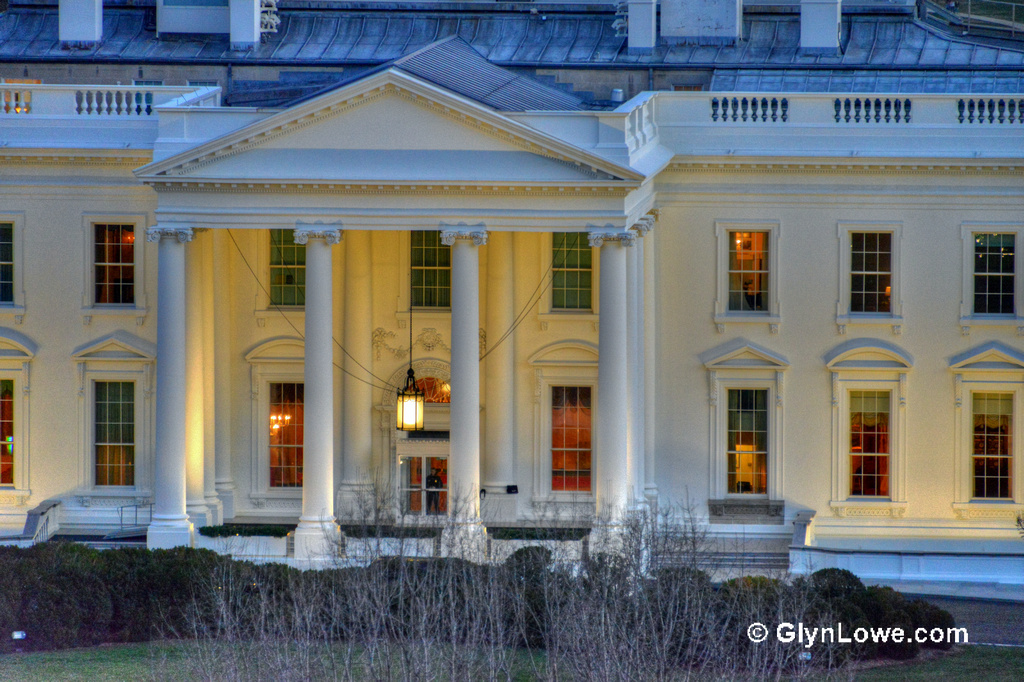
The controversy is tied to the East Wing, which NBC News reported was demolished in October to make way for the ballroom. The East Wing has long housed offices associated with the first lady and White House staff, while also serving as a major public entrance for visitors and tours.
Its replacement has drawn criticism from Democrats and preservation advocates, who argue that a large new structure changes a historically important part of the White House complex. Critics have also questioned the scale and price of the project.
Supporters of a larger ballroom can make a practical argument: presidents regularly host events that strain the capacity of existing White House rooms. A permanent venue could reduce the need for temporary facilities and give the executive residence more room for diplomatic receptions, ceremonies and official dinners.
The dispute becomes harder to separate from the underground claim, however. If the ballroom is primarily connected to a military project, opponents may ask whether the public-facing proposal adequately explained what construction was being undertaken and why.
Preservation fight meets security claims
The ballroom plan has already faced a legal challenge. NBC News reported that a federal judge rejected a lawsuit from the National Trust for Historic Preservation that sought to stop construction, while indicating the group could have a stronger chance if it revised its legal arguments.
That outcome did not settle the wider public debate. Preservation groups generally focus on whether federal officials followed required review processes and whether the project would cause lasting harm to a historic property. The administration, meanwhile, has stressed the value of the new facility.
Trump’s security rationale could sharpen both sides’ positions. The White House may argue that military-related work deserves deference because of national-security considerations. Critics may respond that security needs do not erase the obligation to explain, as fully as possible, major changes to a public and historic site.
Questions the new label leaves open
The phrase “military complex” is politically potent, but it is not a technical project description. The key unanswered issue is whether Trump is describing an expanded new facility, a modernization of preexisting protected spaces, or a combination of both.
Other unknowns include how much of the overall spending is attributable to the ballroom versus underground work, whether separate approvals apply to each component, and what information can be released without compromising security.
The National Capital Planning Commission had been expected to consider the ballroom plans and received substantial negative public feedback, according to NBC News. Its role, along with any future court action, could determine how much more of the project becomes public.
Why the wording matters now
Trump’s comments do more than add a construction detail. They recast a project criticized as an expensive architectural and ceremonial expansion into one he presents as linked to military readiness.
That framing may help the administration defend the project to supporters who see secure White House infrastructure as a necessary investment. It may also deepen skepticism among those who believe a project of this scale should receive fuller public scrutiny, especially when the visible building is a new ballroom at one of the nation’s most recognizable historic sites.
For now, the clearest verified point is that Trump says the ballroom will stand above a military complex under construction. The dimensions, function and full relationship between the underground work and the ballroom remain unclear in the public reporting.








Leave a Reply