
Trump’s statement points to a possible diplomatic channel with Iran, but the timing, format and agenda of any talks remain unclear. Recent reports have also tied regional negotiations to the security of shipping through the Strait of Hormuz.
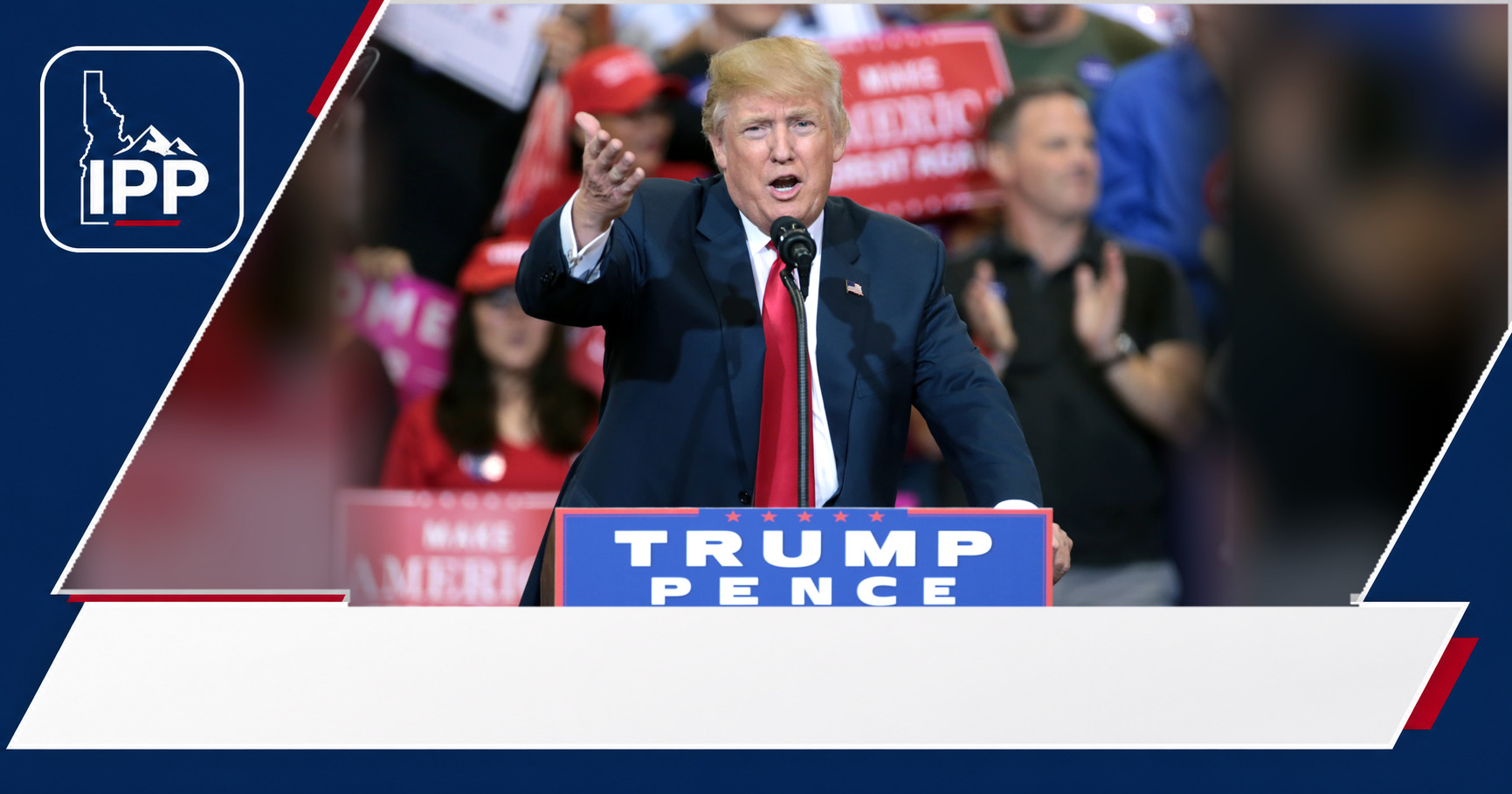
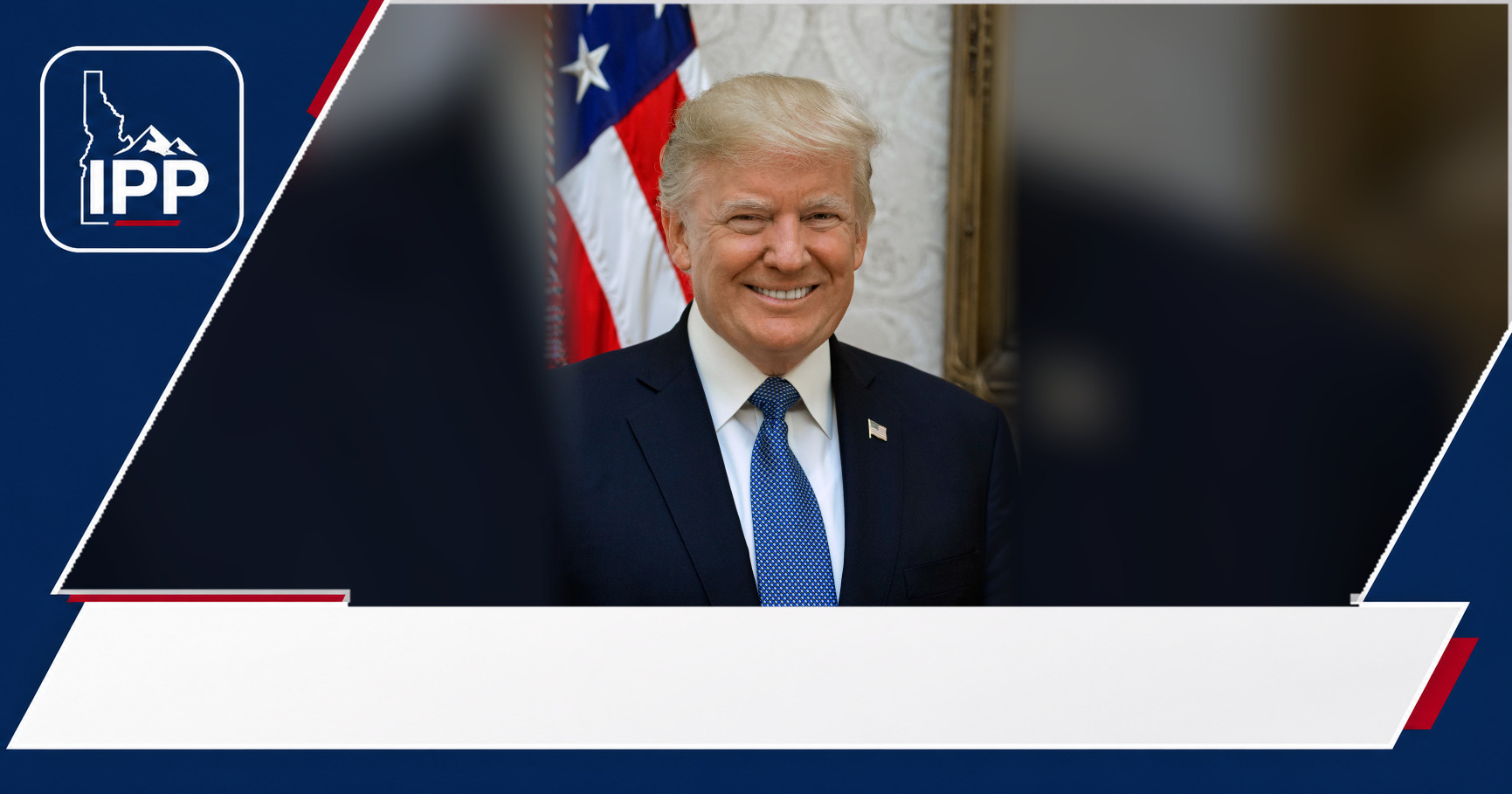
Donald Trump said the United States has talks planned with Iran, putting a possible diplomatic opening at the center of other developments in the Middle East. The immediate question is whether those talks are formally arranged, because recent reporting has shown sharply different public accounts from Washington and Tehran.
The stakes extend beyond the two governments. Discussions involving Iran, Oman and the United States have been closely linked to safe commercial passage through the Strait of Hormuz, a vital route for global energy shipments.
Trump offered few specifics
Trump’s statement indicated that the United States expected talks with Iran, but the available reporting did not establish a date, venue, participants or agreed agenda. Those omissions matter in diplomacy, where public claims about negotiations can be aimed at signaling pressure, testing the other side’s position or preparing domestic audiences for a policy shift.
A planned meeting is also not the same thing as an active negotiating process. It can refer to direct talks, indirect messages passed through intermediaries, technical discussions on a single issue, or a broader effort to revive contact after a period of confrontation.
Until either government provides a joint account, the status of the proposed talks remains unsettled. Iran’s public position is especially important because its officials have previously disputed U.S. descriptions of engagement.
Iran has disputed past claims
Reuters reported on Aug. 2 that Trump said talks with Iran were under way and warned Tehran that it faced a final opportunity to reach an agreement. The Reuters report said Tehran denied that the talks were taking place.
That contradiction is the key caution around Trump’s newer statement. It does not necessarily mean there has been no contact between the sides; countries frequently communicate through third parties while disagreeing publicly over whether negotiations are occurring and what they should be called.
But it does mean readers should separate a presidential assertion from a confirmed bilateral process. A durable diplomatic step would normally produce clearer signs: acknowledgment from both sides, named intermediaries, an announced location, or at least a common description of the subject under discussion.
Hormuz remains the urgent issue
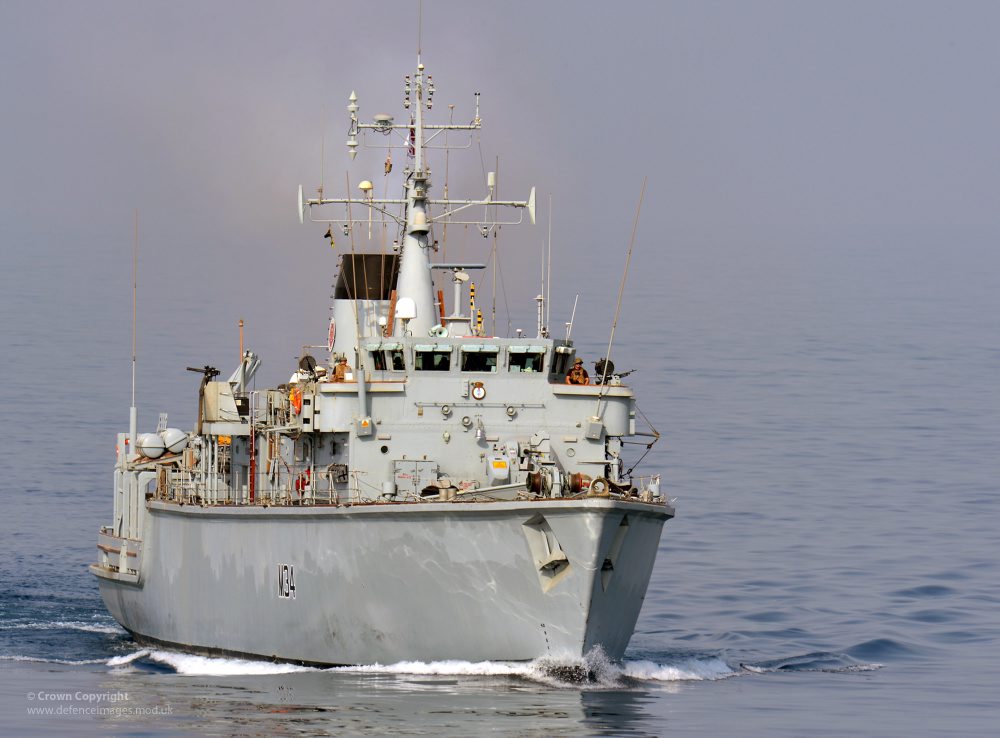
The Strait of Hormuz has been a central practical concern in recent Middle East reporting. The narrow waterway links the Persian Gulf with the Gulf of Oman, and CBS News reported that roughly 20% of global oil supply passes through it.
On Aug. 4, CBS reported that Secretary of State Marco Rubio said progress had been made in talks involving Iran and Oman over the strait, although he said no final agreement had been reached. The report described discussions focused on arrangements for commercial traffic rather than a sweeping settlement of all U.S.-Iran disputes.
According to CBS, an Iranian source familiar with direct Iran-Oman contacts said a proposal addressed how inbound and outbound ships might use different channels, with Iran and Oman managing traffic on their respective sides. The source said implementation and timing remained unresolved.
That is a narrower issue than the political and security differences separating Washington and Tehran, but it is hardly minor. Shipping access can affect energy markets, insurers, shipping companies and countries dependent on Gulf oil and gas exports.
Regional pressure complicates diplomacy
Any U.S.-Iran contact would unfold amid a wider and volatile regional picture. CBS reported that Yemen’s Houthi rebels said they had targeted a Saudi oil tanker in the Red Sea near Yanbu on Aug. 5, describing it as part of a maritime blockade campaign against Saudi Arabia.
The report also said Lebanon and Israel held another round of U.S.-sponsored direct talks in Rome, with Lebanon seeking a phased Israeli withdrawal from the country’s south. These negotiations involve different parties and disputes, but together they illustrate how multiple security tracks are competing for diplomatic attention.
That wider context can make a limited agreement more achievable in one sense: governments may share an interest in reducing risks to commercial shipping even when they cannot resolve every political dispute. It can also make diplomacy more fragile, since an attack, military escalation or breakdown in one arena can quickly reshape the calculations in another.
What a real breakthrough requires
A meaningful U.S.-Iran breakthrough would require more than an announcement that talks are planned. The sides would need to define what they are discussing and determine whether any understandings can be verified and carried out.
For now, the most plausible near-term measure of progress is practical: whether commercial vessels can move through the Strait of Hormuz safely and predictably, and whether public statements from Washington, Tehran and Oman begin to align.
There are competing interpretations of Trump’s message. Supporters of engagement may see planned talks as a necessary route to preventing further escalation and restoring shipping confidence. Skeptics may view the lack of public detail, alongside Iran’s earlier denials, as evidence that no stable negotiation framework has yet emerged.
The available reporting supports both the possibility of contact and the need for caution. Trump has said the United States has talks planned with Iran; what remains unclear is whether Iran accepts that description, what the talks would cover and whether they can produce an agreement that changes conditions in the Middle East.
Signals to watch next
- Confirmation from Iran: Tehran’s response could clarify whether it recognizes a planned U.S. channel or rejects the premise.
- Oman’s role: Muscat has figured prominently in reporting on Strait of Hormuz discussions and could remain an important intermediary.
- Shipping conditions: Changes in vessel traffic, security advisories or insurance costs would offer a real-world test of whether tensions are easing.
- Specific negotiating details: A date, location, participants or a defined agenda would turn a broad claim into a clearer diplomatic development.





Leave a Reply