
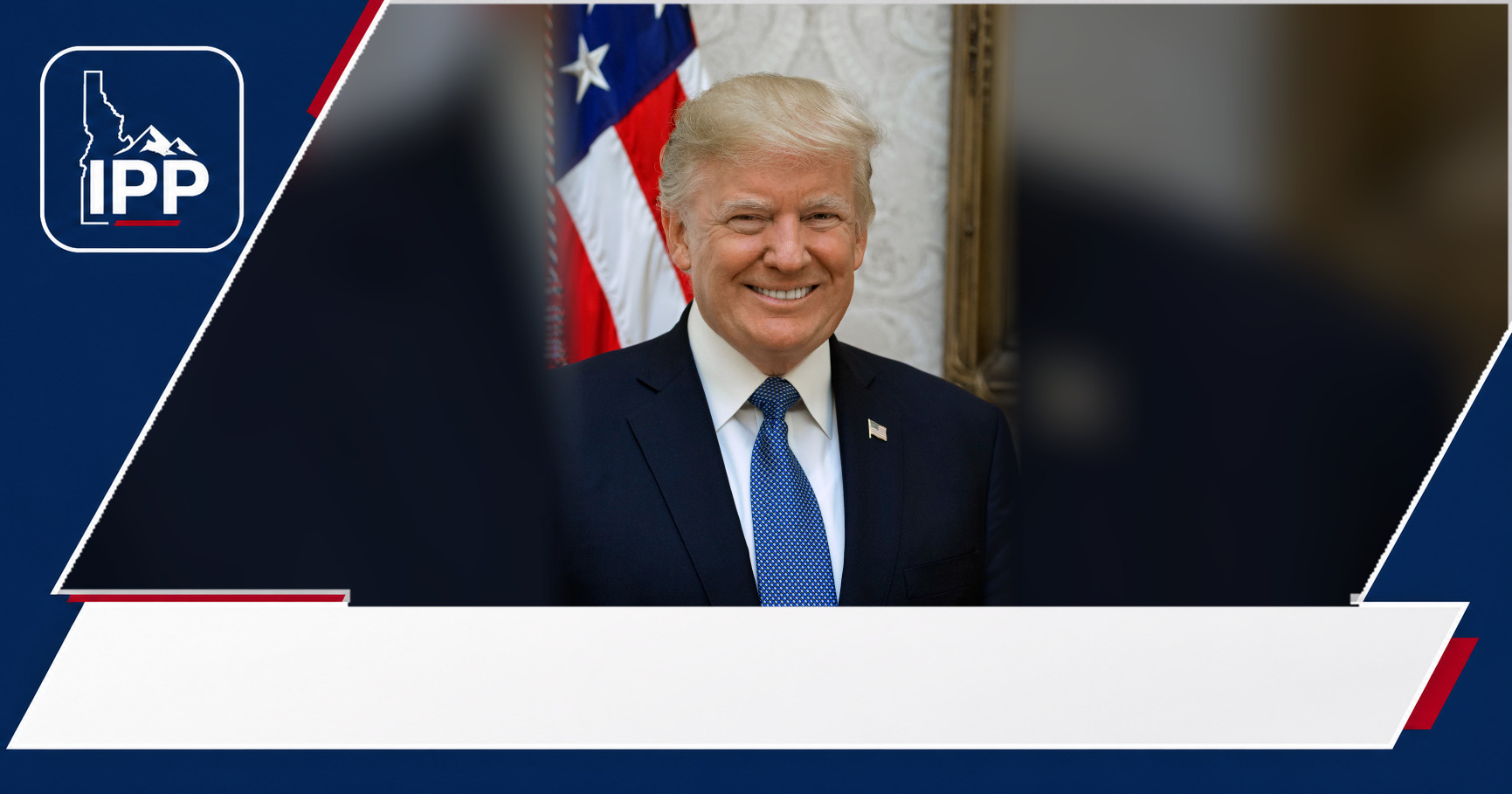
Trump’s latest Florida ballot adds a personal example to the national fight he is waging over mail voting. The White House says his travel and residence in Washington make the use of a mail ballot routine, while critics point to his long-running rhetoric about the method.
Donald Trump voted by mail in Florida’s Republican primary, returning his ballot on Aug. 13, 2026, for the Aug. 18 election, the White House confirmed. The Palm Beach County voter has now used a mail ballot at least three times, even as Trump has criticized mail-in voting and presses for federal limits on the practice.
The Florida Republican primary includes the GOP gubernatorial contest featuring Trump-backed Rep. Byron Donalds. Trump’s latest ballot matters because it puts a routine voting choice by the president beside his larger campaign against what he calls universal mail voting.
Trump’s ballot came before primary day
Trump returned his ballot five days before Florida Republicans went to the polls, according to the White House. The president is a Florida resident whose home is in Palm Beach, although he primarily lives in Washington while serving at the White House.
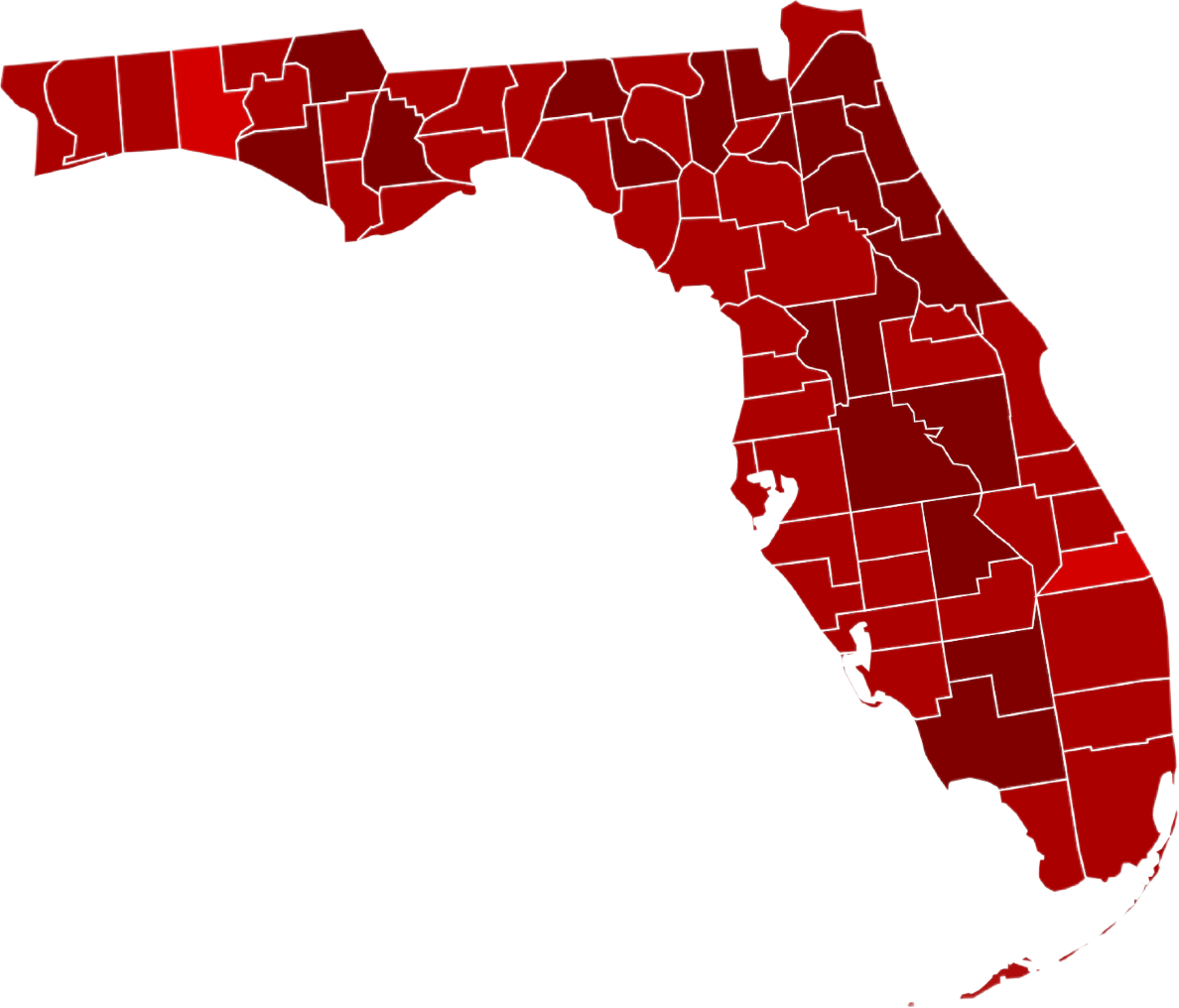
Politico first reported the vote after citing records from the Palm Beach County Supervisor of Elections. USA TODAY reported that the president’s records were not available through the county’s online lookup tool, which said they were protected from public disclosure.
That means the public confirmation of this particular ballot came from the White House rather than from an accessible online voter-history record. White House spokeswoman Olivia Wales dismissed the episode as “a nonstory.”
Why Trump says his vote is different
The White House argues that Trump’s use of a mail ballot fits within the exceptions he supports. Wales said the administration favors allowing mail ballots for people who are ill, have disabilities, are in the military, are traveling, or cannot vote in person because of a medical condition.
Trump’s position is not that every mailed ballot should be eliminated. It is that states should not broadly send ballots to voters or make mail voting universally available, according to the White House’s description of the administration-backed SAVE America Act.
For Trump, the practical argument is straightforward: a president whose legal residence is in Palm Beach and whose job keeps him in Washington may need a remote way to participate in Florida elections. His critics see a more difficult political question: why a voting method is appropriate for the president but portrayed as inherently suspect when used on a wider scale.
A record of voting by mail
This was not Trump’s first use of a Florida mail ballot. He voted by mail in March 2026 for a Florida state House special election, and he has used the method in prior Florida elections as well.
Asked in March why he had voted by mail, Trump pointed to the demands of the presidency. He said he used a mail-in ballot because he was president and the election was taking place in Florida.
The latest primary vote therefore reinforces a distinction Trump and his aides have made for years: absentee-style voting tied to an individual’s circumstances is acceptable, while systems that greatly expand mailed ballots are not. Whether that line is workable in practice is central to the current debate.
The policy fight is broader
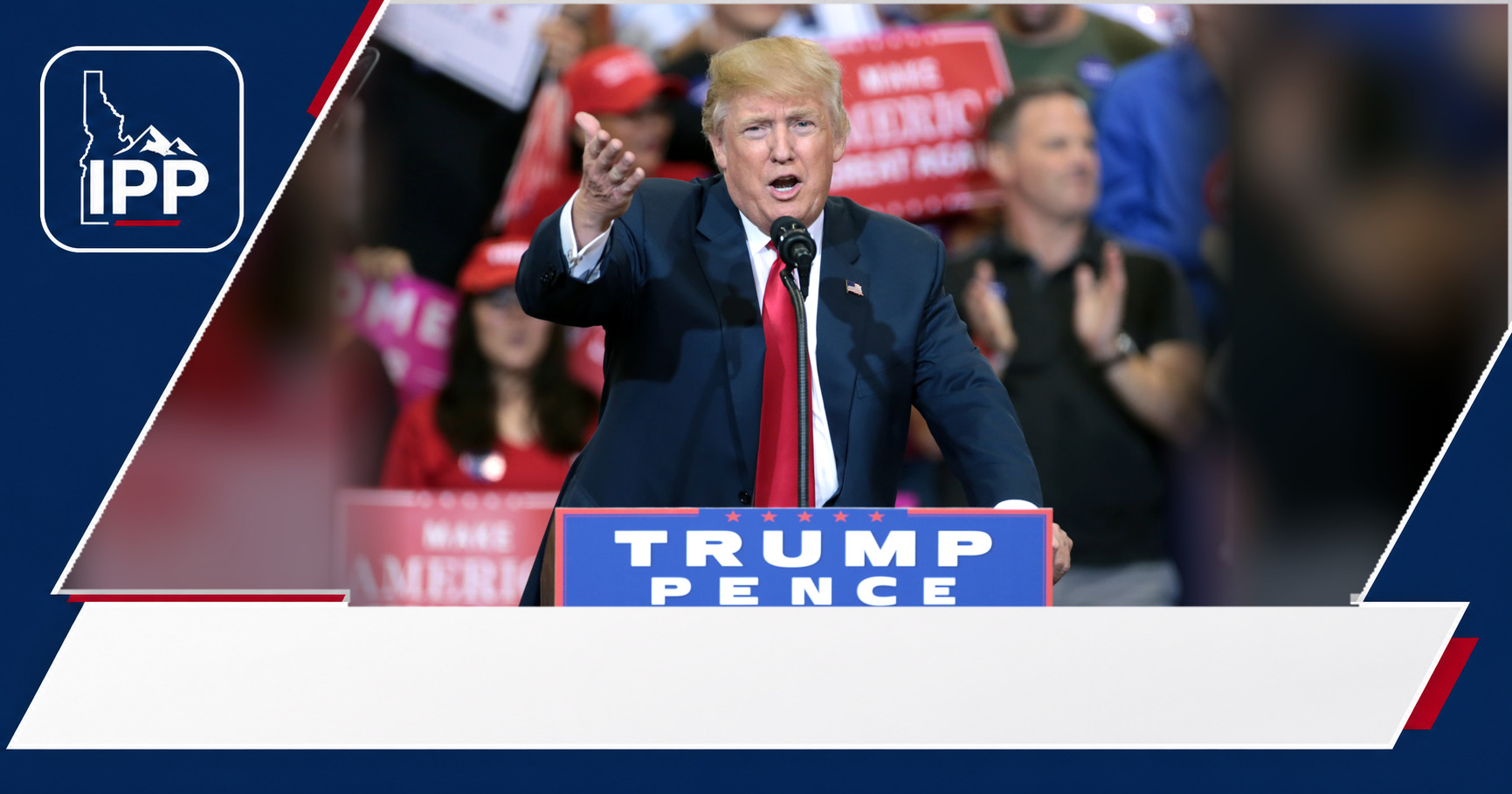
Trump has repeatedly used harsh language about mail voting. In March remarks in Memphis, Tennessee, he said, “Mail-in voting means mail-in cheating,” echoing claims he made before the 2020 election and after his loss to Joe Biden.
Those broad allegations of widespread fraud through mail voting have not been substantiated. Election officials, courts and reviews of the 2020 election did not find evidence that mail ballots changed the presidential result.
Supporters of tighter rules argue that absentee voting should be limited to specific needs and accompanied by strong verification measures. They say broad mail-ballot systems can create administrative and security concerns, even if individual cases of illegal voting are uncommon.
Opponents counter that mail voting is a lawful, heavily regulated option used by voters across party lines. They argue that restricting it can make voting harder for service members, older people, voters with disabilities, travelers and people whose work or caregiving duties make Election Day voting difficult.
Trump is pursuing federal limits
The timing is politically significant because Trump is urging the Senate to approve the SAVE America Act. As described by the White House, the proposal would prohibit universal mail-in voting while preserving narrower exceptions for military voters, people with disabilities, travelers and voters whose illnesses prevent in-person voting.
Trump also asked the Supreme Court last week to allow full implementation of an executive order aimed at restricting mail ballots before November’s midterm elections. A federal judge in Massachusetts had blocked the order.
The order sought voter lists from states identifying people eligible to receive mail ballots. It also proposed that the U.S. Postal Service refuse delivery of ballots if states did not comply, a major escalation in a policy area traditionally administered by states.
Florida vote spotlights unresolved questions
Trump’s ballot does not settle the argument over mail voting. It does, however, show that the debate is not simply about whether ballots can be cast through the mail; it is about which voters qualify, how states distribute ballots and what safeguards are required.
The White House’s view is that Trump falls within an ordinary travel-related exception. Critics argue that elected leaders should be careful not to cast doubt on a legal voting method that they use themselves.
Several questions remain unresolved: whether Congress will act on the SAVE America Act, whether the courts will permit the administration’s executive-order approach, and how states will respond ahead of the midterms. For now, Trump’s Florida ballot offers a concrete reminder that mail voting remains both a practical tool and one of the country’s most combustible election issues.




Leave a Reply