
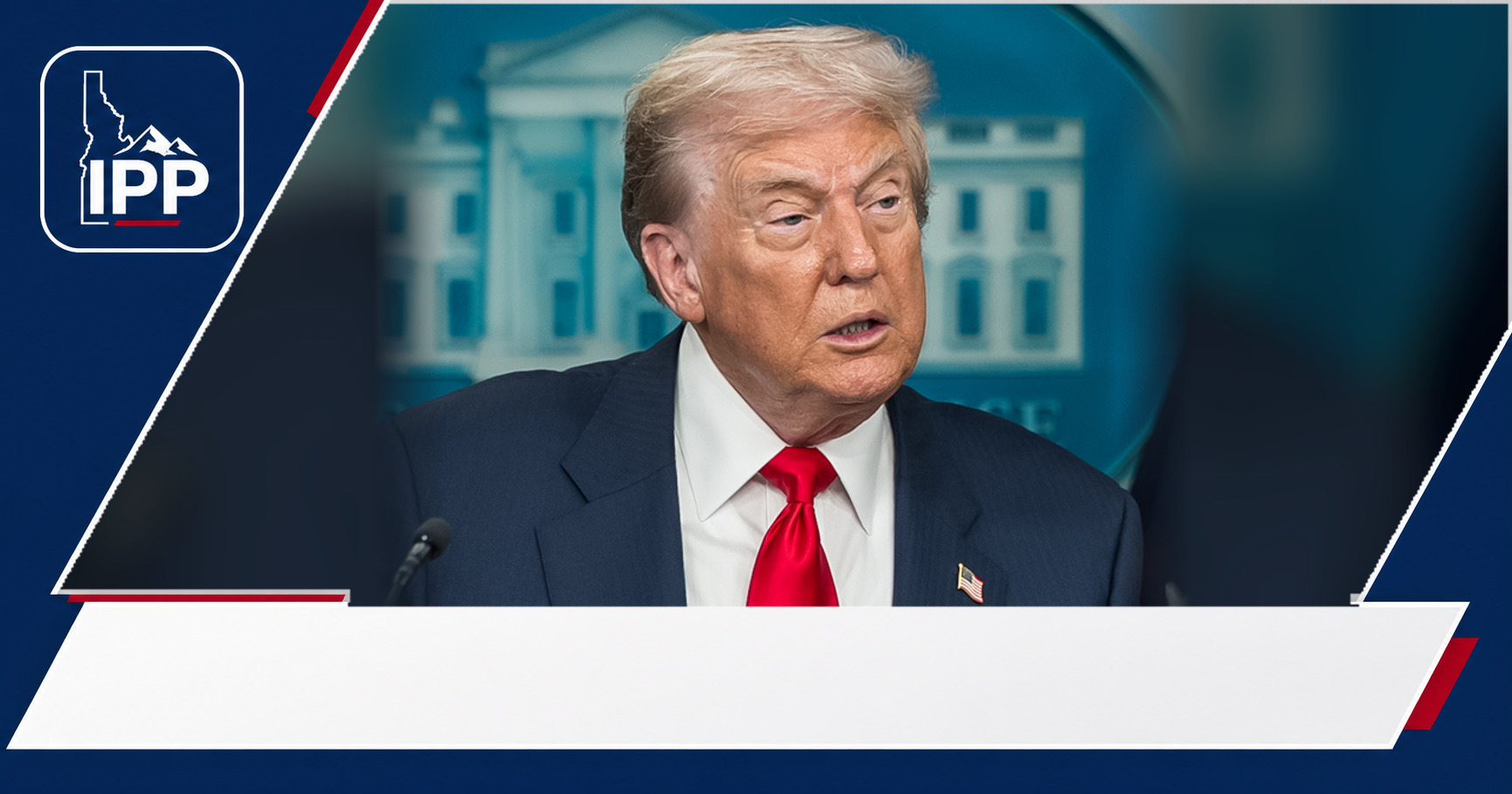
The most immediate consequence of a Democratic congressional takeover would likely be investigations, subpoenas and public hearings—not an automatic impeachment push. The distinction matters because the House and Senate have very different powers.
Donald Trump could face investigations and increased congressional scrutiny if Democrats gain control of Congress in the midterm elections. Democrats are expected to favor investigations over immediate impeachment, and a power shift in the United States Congress could put Trump’s administration, companies, donors and contractors under a far brighter public spotlight.
That is what Trump really has to worry about if Congress flips: not simply a change in party labels, but control of the committees that can demand records, call witnesses and set the agenda for nationally televised hearings.
Oversight would be the first test
Congressional majorities do more than decide which bills reach the floor. They choose committee chairs, shape investigative priorities and control much of the machinery of oversight.
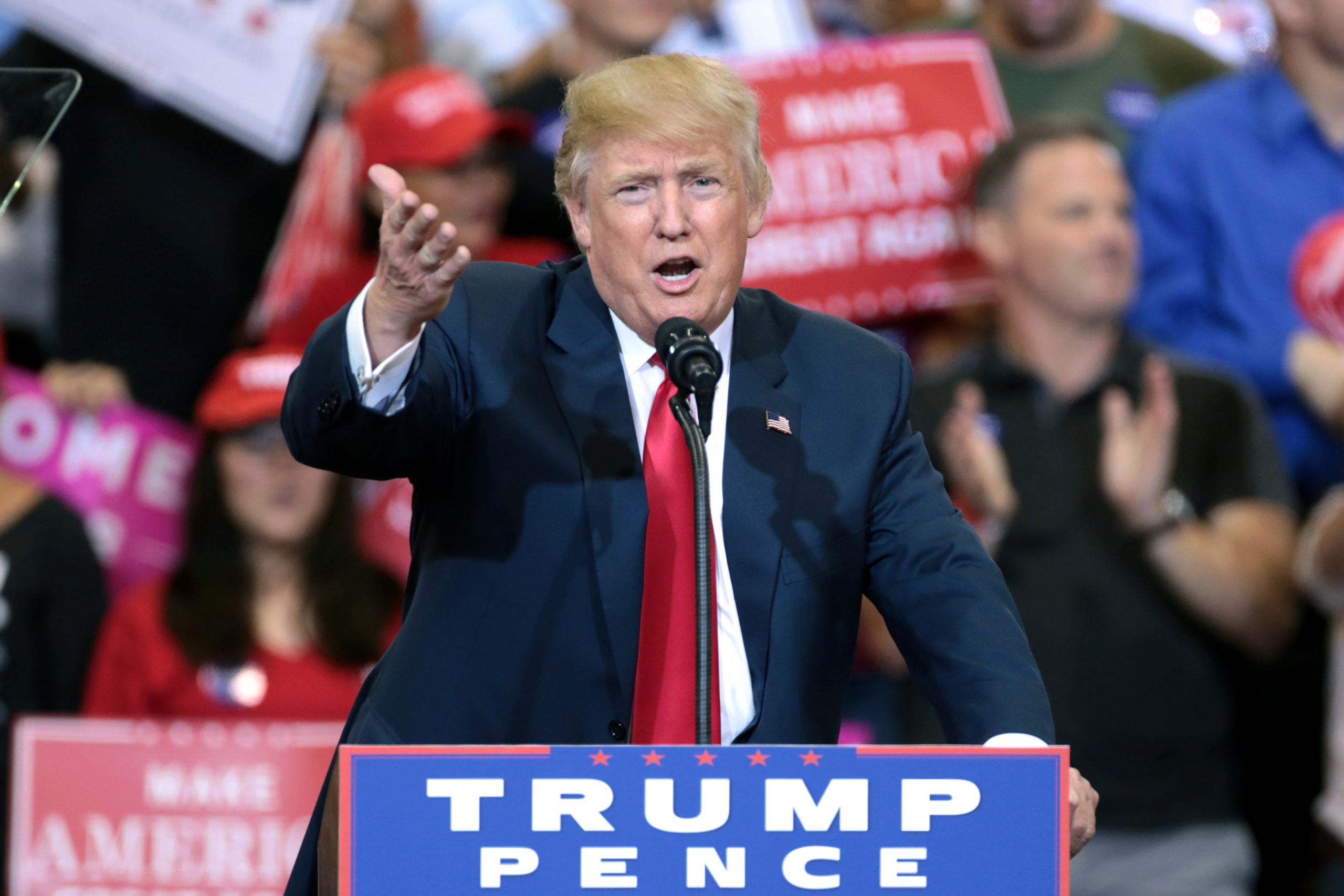
If Democrats won control, committee leaders could pursue information from executive agencies, hold hearings and press Trump administration officials to explain decisions that may receive limited scrutiny under Republican control. The practical effect could be months of document fights, testimony requests and headlines tied to investigations rather than legislation.
Reuters reported on August 8, citing sources familiar with Democratic thinking, that Democrats were preparing to emphasize investigations of Trump over an immediate effort to impeach him if they win the House. Those potential probes could extend to companies, donors and contractors connected to Trump, according to the report.
That does not mean every proposed inquiry would produce a finding of wrongdoing. Congressional investigations can uncover evidence, clarify policy decisions or expose disagreements without resulting in criminal charges or formal penalties.
Why committees matter so much
Committee control is often the most consequential prize in a midterm election. A majority can determine which witnesses are invited, which documents are requested and which issues receive sustained public attention.
For a president, that can create political pressure even when Congress cannot directly force every outcome. Hearings can put agency leaders under oath, create a public record and generate disclosures that fuel court cases, inspector general reviews or additional reporting.
Democrats could focus on the Trump administration’s use of federal power, its relationships with outside interests and questions involving people or businesses in Trump’s orbit. Reuters’ report suggests that the party’s initial emphasis would be broad oversight rather than a single, all-consuming impeachment campaign.
Trump and his allies would have tools to resist. The White House can challenge requests, assert legal privileges, negotiate the scope of testimony and contest subpoenas in court. Those fights can delay investigations substantially, especially when they involve confidential presidential communications.
Impeachment is not automatic
A House controlled by Democrats could open an impeachment inquiry or approve articles of impeachment with a simple majority. But winning the House would not by itself remove Trump from office.
The Constitution gives the House the sole power to impeach, while the Senate conducts the trial. The Senate’s own explanation of the process says conviction requires support from two-thirds of senators present—a threshold far higher than a bare partisan majority.
That math is one reason an investigative strategy may be more likely at the outset. A House majority could launch inquiries on its own, while an impeachment effort would demand wider political support and, for removal, a large Senate coalition.
Trump has already been impeached twice during his first term and was acquitted by the Senate in both cases, according to the Library of Congress’s Constitution Annotated. That history underscores the difference between impeachment as a House action and conviction as a Senate decision.
A divided Congress changes the equation
“Congress flips” can mean different things. Democrats could win the House, the Senate, or both chambers, and each result would produce a different balance of power.
A Democratic House would be the clearest route to new investigations because House committees initiate much of Congress’s day-to-day oversight. A Democratic Senate could also intensify confirmation fights, demand administration testimony and shape the prospects for legislation and nominations.
Control of only one chamber would still leave major limits. A Republican-controlled chamber could block bills, reject an impeachment conviction or use its own committees to advance competing investigations. Trump could also use the veto power against legislation passed by Congress.
- Democratic House only: stronger investigative and subpoena pressure, but limited legislative leverage.
- Democratic Senate only: more influence over nominations and Senate oversight, but no House impeachment power.
- Democratic control of both: the broadest ability to investigate and legislate, though a Senate conviction would still require a two-thirds vote.
The political cost can arrive early
Investigations do not need to end in impeachment to affect a presidency. They can consume staff time, force public responses, expose internal disputes and crowd out a White House’s preferred policy message.
For Trump, the risk would be especially acute if inquiries connect official decisions to commercial interests, campaign-linked figures, donors or contractors. Even unproven allegations can become politically damaging when they are aired repeatedly in hearings and amplified through competing media ecosystems.
Democrats would face their own calculation. Supporters may want forceful accountability, while party leaders would have to weigh whether high-profile investigations appear disciplined and evidence-based or look like retaliation. Republicans are likely to argue that any Democratic probes are politically motivated.
The credibility of the oversight effort would therefore depend heavily on specific evidence, the fairness of committee procedures and whether investigators can show a clear public purpose beyond partisan conflict.
What remains uncertain before the vote
The midterm results will determine whether Democrats have any new investigative authority at all, and the exact targets of possible inquiries remain unsettled. Reuters’ reporting describes a strategic direction from sources, not a final committee agenda or a list of approved investigations.
It is also unclear how aggressively a new majority would test the boundaries of congressional power, how much cooperation it would receive from agencies and private entities, and how quickly courts could resolve disputes over subpoenas or privileged material.
The immediate takeaway is simpler than the rhetoric around a congressional flip. If Democrats gain power, Trump’s most immediate challenge would likely be persistent oversight with real political consequences. Impeachment could remain part of the debate, but it would be a separate and much harder path.










Leave a Reply