
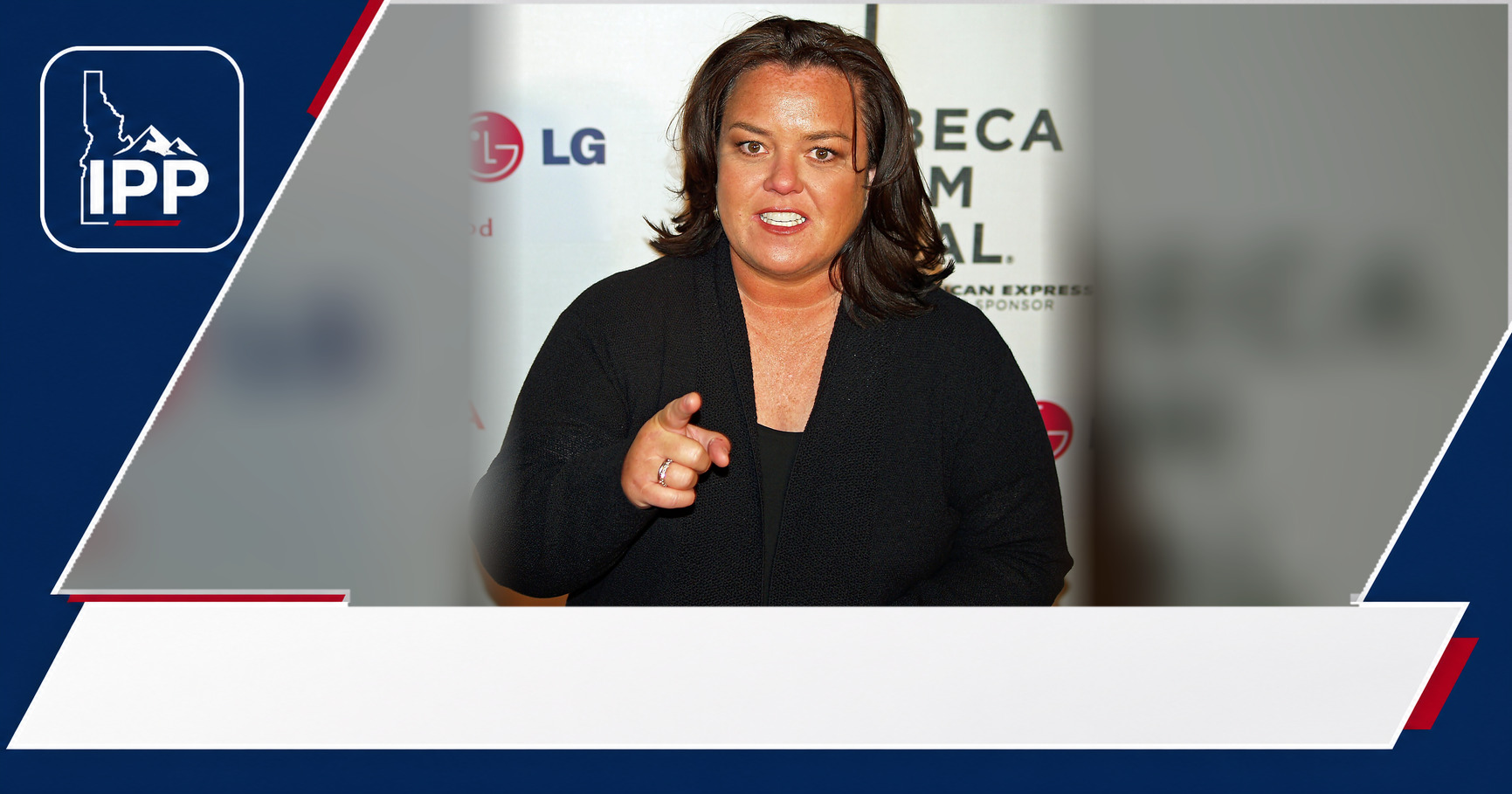
O'Donnell's late-night return carried obvious expectations because of her long public feud with Donald Trump. Her monologue instead made the absence of his name part of the joke.
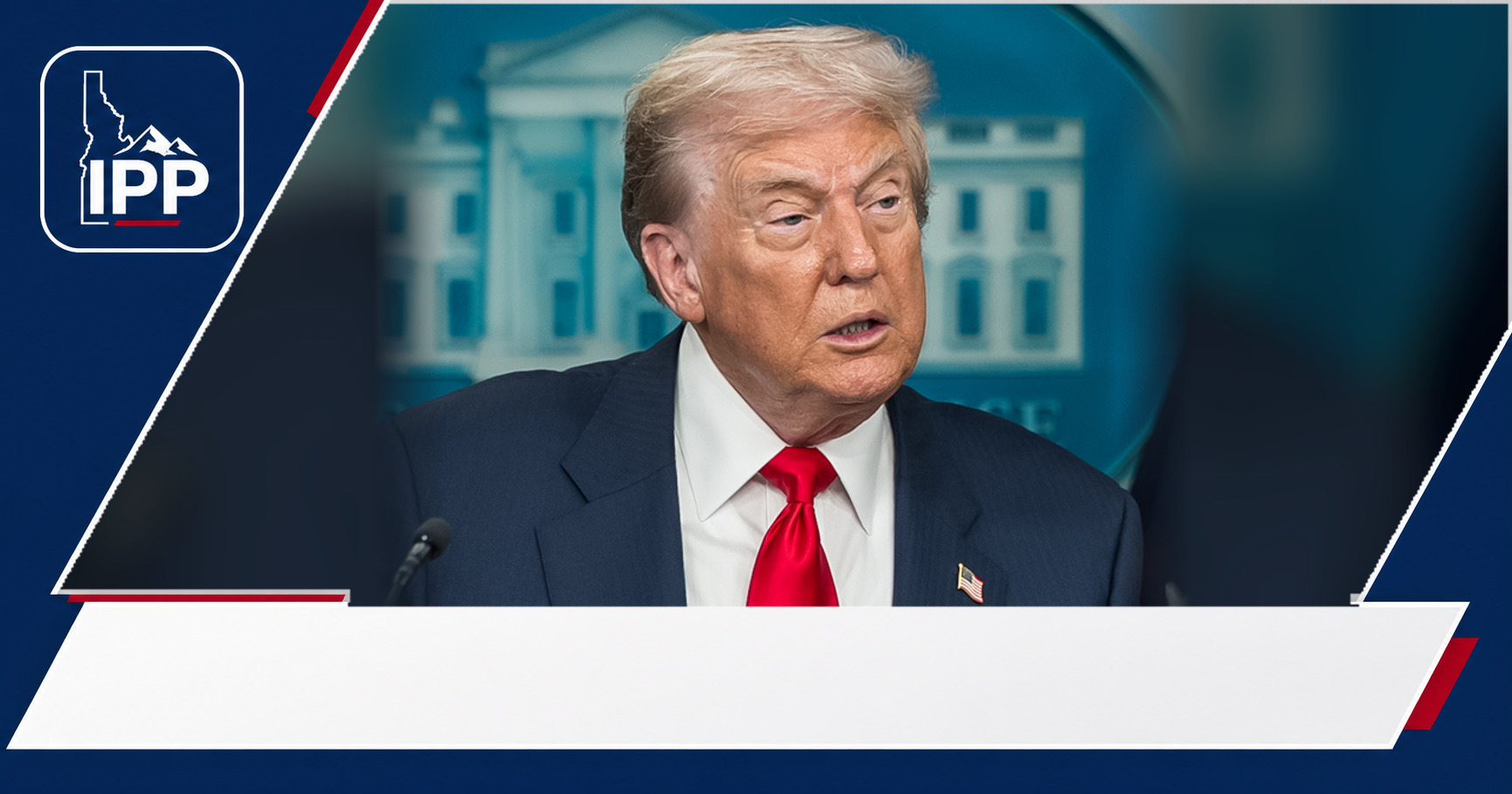
Rosie O’Donnell returned to television as a guest host on Jimmy Kimmel Live on Monday, Aug. 17, 2026, and she mocked or referenced President Donald Trump without saying his name. O’Donnell mocks but barely mentions Trump in a monologue that turned expectations of a full-scale roast into part of the punchline.
Given the pair’s long-running public feud—and Kimmel’s own history of drawing Trump’s criticism—the limited direct mention was the night’s most revealing choice. O’Donnell still made clear whom she meant, but she framed the set around her return to a TV desk, her life in Ireland and the strange familiarity of American politics.
A return with obvious expectations
O’Donnell was filling in while Jimmy Kimmel was on summer break, placing a veteran daytime host in a late-night chair for the first time in decades. She hosted The Rosie O’Donnell Show from 1996 to 2002, a period she invoked during the monologue.
That history gave the appearance a built-in nostalgia angle. Yet it also came with political baggage. O’Donnell and Trump have traded public attacks for years, beginning well before Trump’s first presidential campaign and continuing through his return to the White House.
Reporting by The Washington Post said many viewers expected Trump to be the central target of her opening monologue. USA Today similarly described O’Donnell as a longtime Trump critic stepping into a show hosted by another comedian who has frequently been targeted by the president.
The premise was so obvious that O’Donnell could play against it. Rather than deliver a monologue centered on his name, she used circumlocution, references and one pointed final gag to keep him in the room without making him the literal subject of every joke.
The missing name became the joke
O’Donnell opened by acknowledging the scale of her own return: “They said you can’t come home again, but here I am!” She then warned viewers that if the president disliked Jimmy Kimmel Live with Jimmy Kimmel hosting, they should “buckle up.”
She never said Trump’s name during the monologue, according to both the Post and USA Today. That does not mean she avoided the subject. Her jokes relied on a shared understanding of whom she was discussing.
At one point, she contrasted the 1990s with the present, mentioning a Middle East war, climate change and a president caught up in scandals before dryly suggesting that everything now is “so chill.” The joke placed contemporary politics in the background rather than pausing the show for a direct political argument.
Near the end, O’Donnell waved and said, “Hi, I know you’re watching!” After a story about asking a pharmacist on a date, she delivered the clearest tag of the set: someone in the White House, she said, was crying because she had not mentioned him.
Ireland was part of her story
O’Donnell also connected her move to Ireland to Trump’s 2025 election victory. In the monologue, she called Ireland her “refuge” and “salvation,” while using the nickname “Mango Mussolini” rather than the president’s name.
Her account mixed a serious personal decision with broad comedy. She said she had read Project 2025 and decided she needed to leave the United States, then joked that Ireland is a place where people are driven to drink regardless of who runs the country.
She also told a story about trying to keep the planned move quiet, only for her child to explain it to classmates in especially blunt terms: that the family was leaving because the U.S. president hated O’Donnell, though O’Donnell’s child believed her mother hated him more.
The material showed why the monologue could not entirely escape politics. Trump was not merely a convenient late-night target for O’Donnell; he was presented as part of the personal context for where she lives and how she views the country she left.
A feud with new stakes
The Trump-O’Donnell conflict has often been treated as a celebrity feud, but it has intensified alongside Trump’s political career. In 2025, Trump posted on Truth Social that he was considering taking away O’Donnell’s citizenship, calling her a “Threat to Humanity,” according to USA Today.
He later repeated his criticism of her in another post, USA Today reported. O’Donnell’s appearance on a high-profile late-night show therefore arrived after a period in which their antagonism had moved beyond entertainment gossip and into the language of presidential power.
That backdrop helps explain why some viewers may have expected a more confrontational monologue. O’Donnell’s decision to avoid his name did not erase the feud; it highlighted it. She could assume the audience recognized every reference without needing to restate the conflict.
There are competing ways to read that tactic. Fans looking for a sharp rebuke could see the monologue as a confident refusal to give Trump more attention. Critics may see a set built so heavily around indirect references as evidence that the feud remains difficult to separate from O’Donnell’s public persona.
Late night’s familiar balancing act
Political comedy has become a routine feature of late night, especially when presidents regularly respond to entertainers online or in public statements. That creates an unusual feedback loop: a host jokes about a politician, the politician reacts, and the reaction becomes material for another monologue.
Kimmel has been part of that loop for years, which made O’Donnell a particularly charged substitute. Her presence offered a guest host with her own recognizable history, rather than simply another comedian delivering Kimmel’s established style of political commentary.
Still, the first monologue appears to have been designed around more than Trump. O’Donnell used her own long gap from television, the culture shift since the 1990s and stories from her life abroad to establish a point of view that was personal as well as political.
The result was less a straightforward Trump roast than a monologue about the expectation of one. By refusing to say his name, O’Donnell made the audience’s anticipation part of the act—and ensured the president remained the night’s most conspicuous unspoken presence.
What the appearance actually signaled
O’Donnell’s return did not settle whether she is returning to regular television work or simply making a high-profile guest-hosting appearance. The reporting cited here establishes her role for the Monday broadcast and the themes of her opening monologue, but not a larger on-air plan.
What is clear is that the performance revived a familiar public dynamic on different terms. O’Donnell did not sidestep Trump entirely, nor did she let him monopolize the set. She used implication as the engine of the comedy.
For viewers who remember O’Donnell’s original talk-show era, the appearance was a reminder of how much the media and political landscape has changed since the 1990s. For viewers focused on her feud with Trump, it offered a twist: the most pointed decision was not naming him at all.

Leave a Reply