
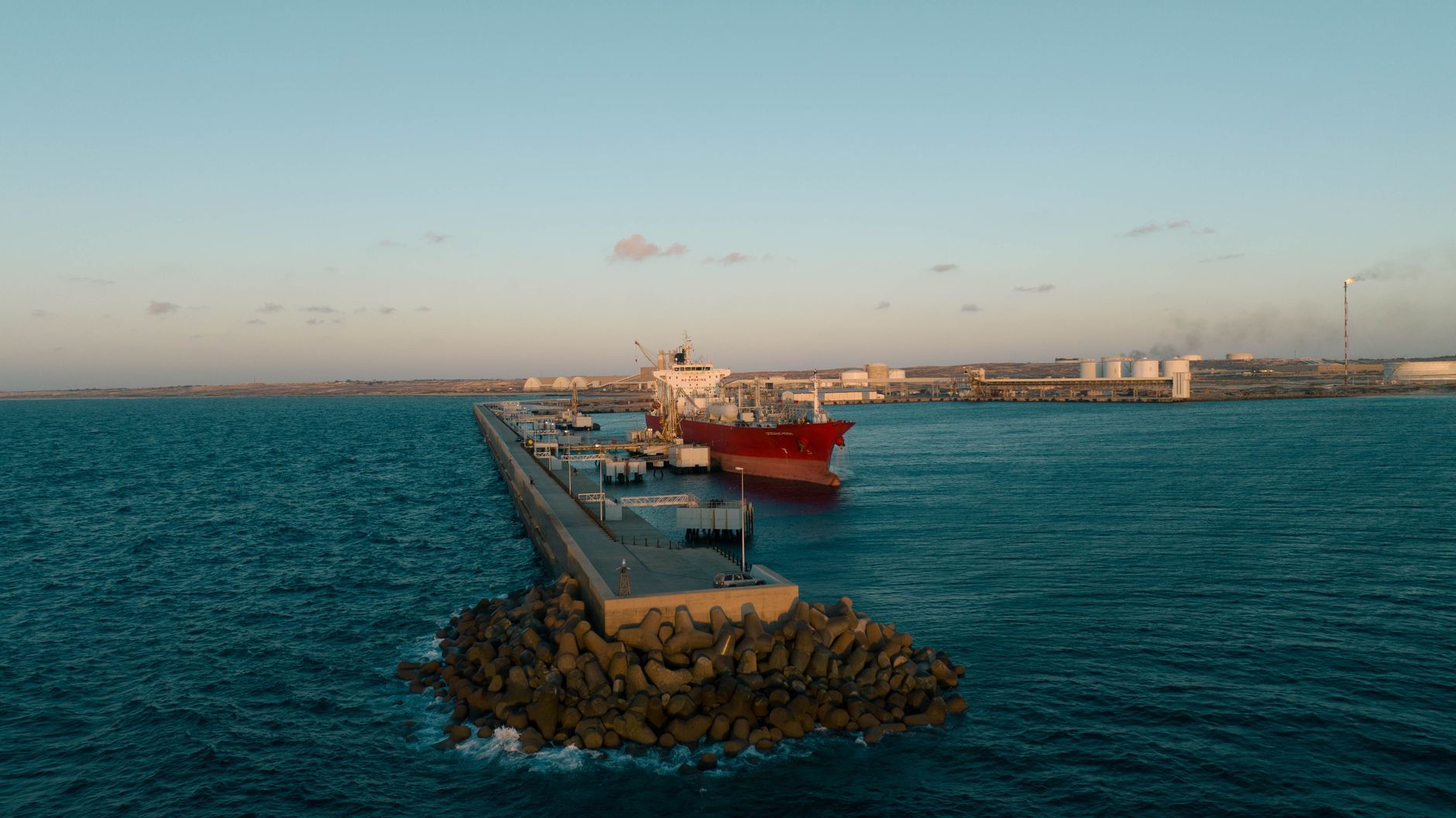
A new Syria opening is being framed as a way to blunt Iran’s leverage over a vital oil chokepoint. The geography is tempting, but the road from concept to reliable trade corridor is full of hazards.
On paper, Syria offers the kind of map Trump likes: a land bridge from the energy-rich Gulf to the Mediterranean, with ports that could move oil and gas toward Europe without passing through the Strait of Hormuz.
In practice, that shortcut runs through a country still rebuilding after war, shadowed by sanctions history, armed groups, weak financial systems and rival foreign powers. The opportunity is real. So are the reasons it may stay out of reach.
A map that changes the argument
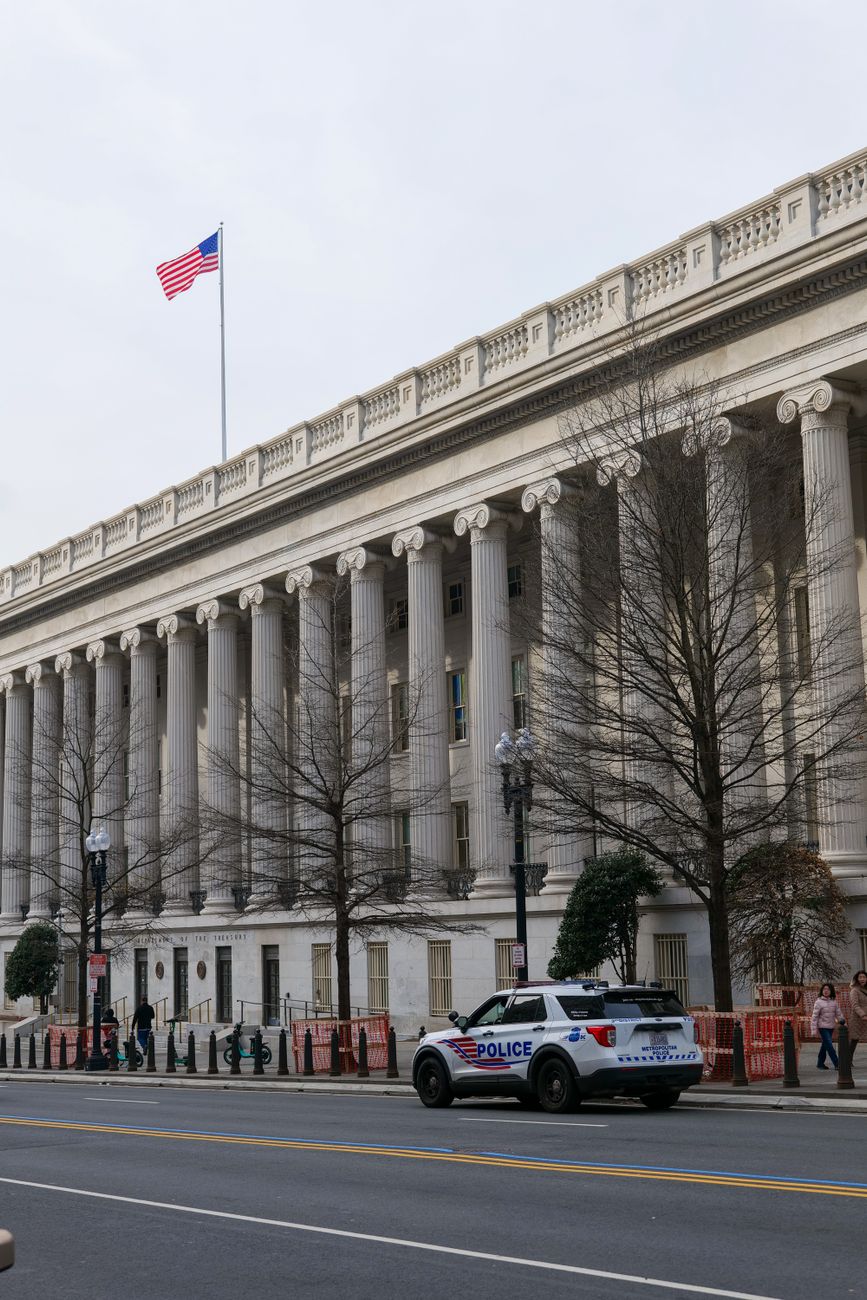
The latest push centers on President Donald Trump’s move to remove Syria from the U.S. list of state sponsors of terrorism, following a meeting with Syrian President Ahmed al-Sharaa on the sidelines of the NATO summit in Turkey, according to reporting from The Telegraph carried by AOL.
That decision comes on top of earlier sanctions relief and is meant to clear a path for business. The U.S. government has encouraged American companies to examine opportunities in Syria, including in oil, gas, electricity and banking, according to the same report.
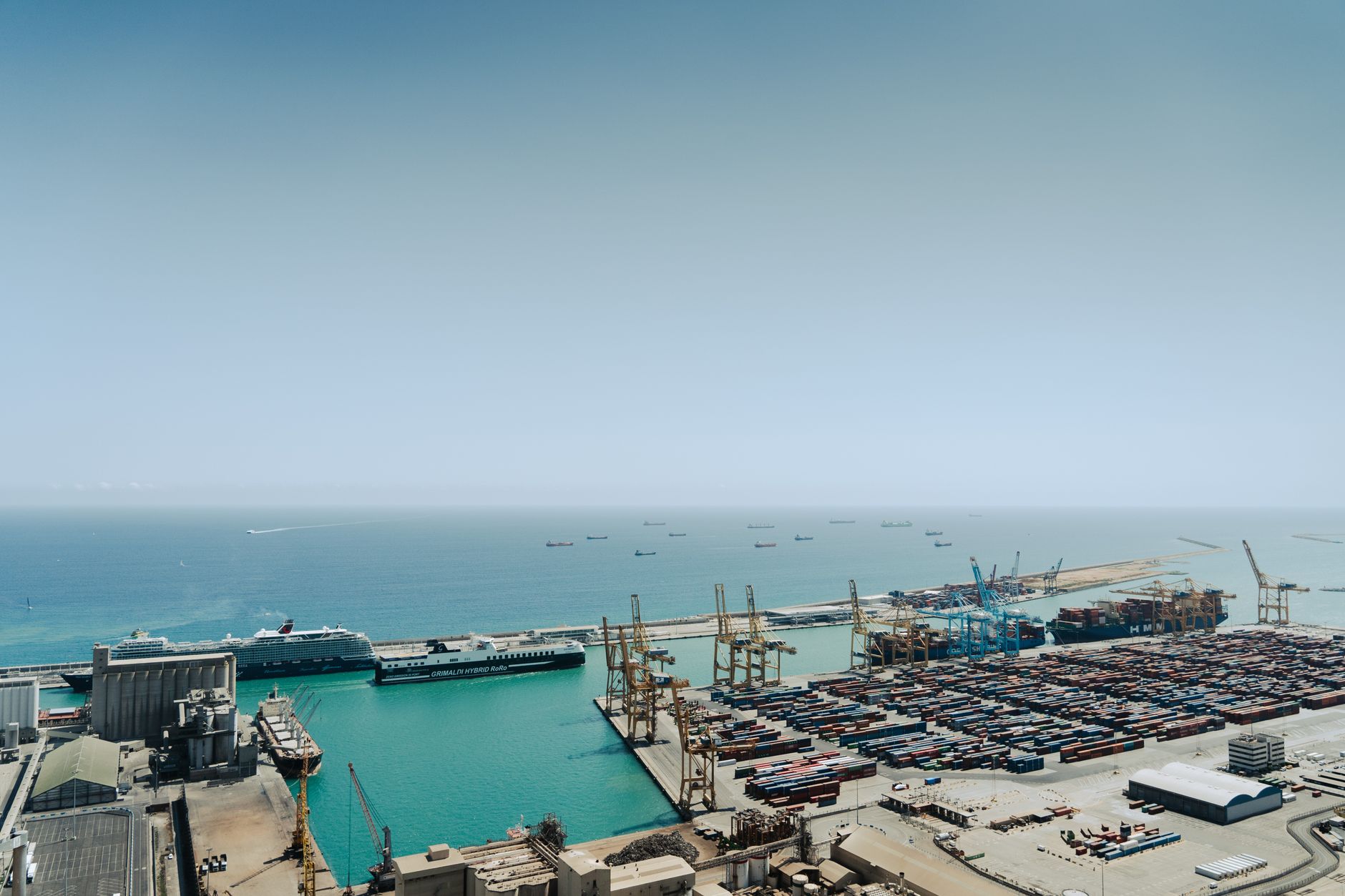
The strategic pitch is straightforward: Syria sits between the Gulf region and the Mediterranean. If energy supplies can move overland or through pipelines to Syrian ports such as Baniyas, Latakia or Tartus, exporters could reduce reliance on vessels passing through Hormuz.
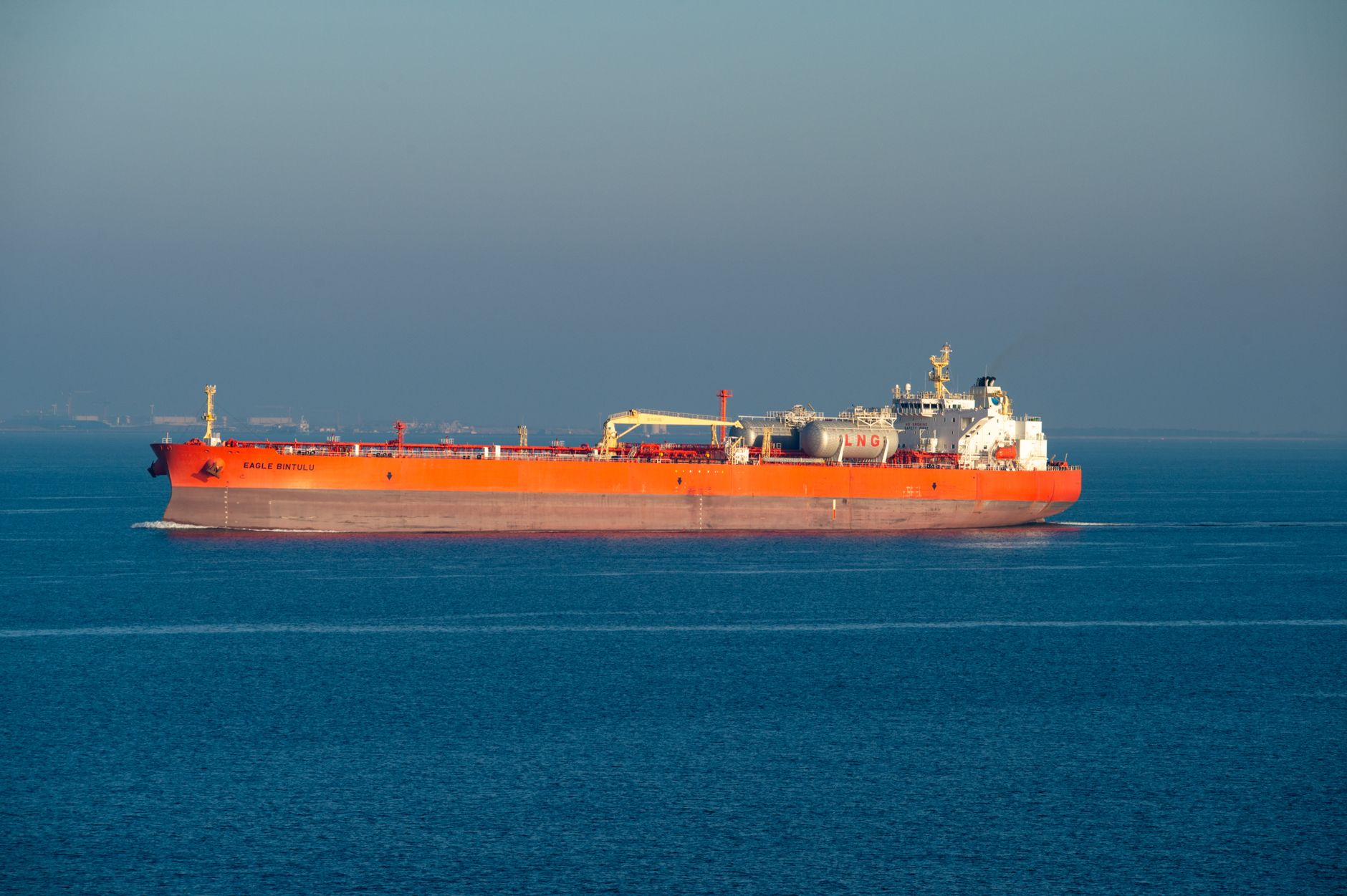
That matters because Hormuz is not just another shipping lane. The U.S. Energy Information Administration has long described it as one of the world’s most important oil chokepoints, with a major share of seaborne crude and petroleum liquids moving through the narrow waterway between Iran and Oman.
Why Hormuz keeps Washington awake
The Strait of Hormuz gives Iran a powerful pressure point. Even when Tehran does not close the waterway, threats, attacks or harassment can raise insurance costs, disrupt shipping schedules and send energy markets into a panic.
Recent tensions have revived that fear. Reuters has reported on U.S.-Iran friction around the strait, including Trump’s insistence that no country should control it. The political message is clear: Washington does not want Tehran to have a veto over the flow of Gulf energy.
A credible Syrian route would not replace Hormuz overnight. But it could give the U.S., Gulf producers and energy traders another option in a crisis. In geopolitics, even a partial alternative can weaken an adversary’s leverage.
That is the appeal of the Syria opening. It is not only about rebuilding a battered country. It is about whether Syria can be repositioned as a corridor at a moment when every barrel, port and pipeline carries strategic weight.
The Syria route is not imaginary
This idea is not purely theoretical. The Telegraph report noted that Iraq has already trucked some oil through Syria, though at volumes far below what major export infrastructure would require.
Pipeline concepts are also being discussed. One possibility would connect Gulf producers, including Saudi Arabia and Qatar, to Syrian coastal ports. Another would expand Syria’s own role as an energy producer and transit state.
Syria has proven oil reserves, and its offshore potential has drawn attention. In February, Chevron signed a deal with Syria’s state-owned petroleum company to develop the country’s first offshore oil and gas field, according to the reporting cited in the source brief. Saudi and U.S. firms have also formed a consortium focused on oil and gas exploration in northeastern Syria.
For Trump, those moves fit a familiar playbook: use diplomatic normalization and commercial incentives to reshape a regional balance. If Syria becomes investable, it may also become useful.
The catch is Syria itself
The biggest obstacle is that a line on a map is not a functioning corridor. Syria’s transport routes, ports, banks and security institutions all carry the legacy of years of conflict and isolation.
Mouayad Albonni, a senior analyst at Karam Shaar Advisory, told The Telegraph that Syria could be considered as an alternative to Hormuz if the risk factors are stripped away. But he also warned that the idea is not as simple as Trump or Syria’s government may present it.
Those risk factors are not minor. Armed groups still operate inside Syria. The Telegraph report cited an attack in early June on an Iraqi fuel tanker on a highway in northern Syria, a reminder that energy transport depends on more than port capacity.
There is also the banking problem. Years of sanctions have left Syria with weak financial infrastructure, making international transactions difficult and raising concerns about payment transparency, money laundering controls and the risk of funds reaching sanctioned or extremist groups.
Russia and Gulf states complicate it
Any Syrian energy corridor would also have to operate in a crowded geopolitical space. Russia still has military and commercial interests in Syria, and Reuters has reported that a commercial logistics hub at Tartus is expected to handle Russian goods and connect the Syrian coast to Russia’s Black Sea port of Novorossiysk.
That matters for Washington. A U.S.-backed investment push in Syria could run into Russian influence at the very ports that would be central to any Mediterranean energy strategy.
Gulf states may have their own hesitation. Saudi Arabia, Qatar and other producers are unlikely to hand major influence over their core export routes to Damascus without strong guarantees. Oil and gas are not just commodities for these governments; they are the foundation of national power.
There are also regional flashpoints around Syria’s borders. Syria sits near Israel, Turkey, Iraq, Lebanon and Jordan, and any corridor would be exposed to tensions involving Iran-backed groups, Turkish interests and Israeli security concerns.
A hedge, not a miracle route
The cleanest way to understand the Syria play is as a hedge. It gives Trump a possible answer to a hard strategic problem: how to reduce Iran’s ability to rattle global markets through Hormuz.
But a hedge is not the same as a solution. Building a reliable route would require security guarantees, financing, port upgrades, pipeline construction, regulatory clarity, banking reforms and regional buy-in. Those are years-long challenges, not a quick workaround.
The timing also matters. As energy buyers accelerate investments in renewables and cleaner technologies, long-term oil infrastructure faces a different market than it did a decade ago. A new route may be valuable, but its economic case depends on how fast demand patterns shift.
The Syria deal gives Washington something it has wanted for years: optionality. Whether it becomes a serious alternative to Hormuz will depend less on Trump’s announcement than on whether Syria can become stable, bankable and trusted by the very countries whose energy it hopes to carry.





Leave a Reply