
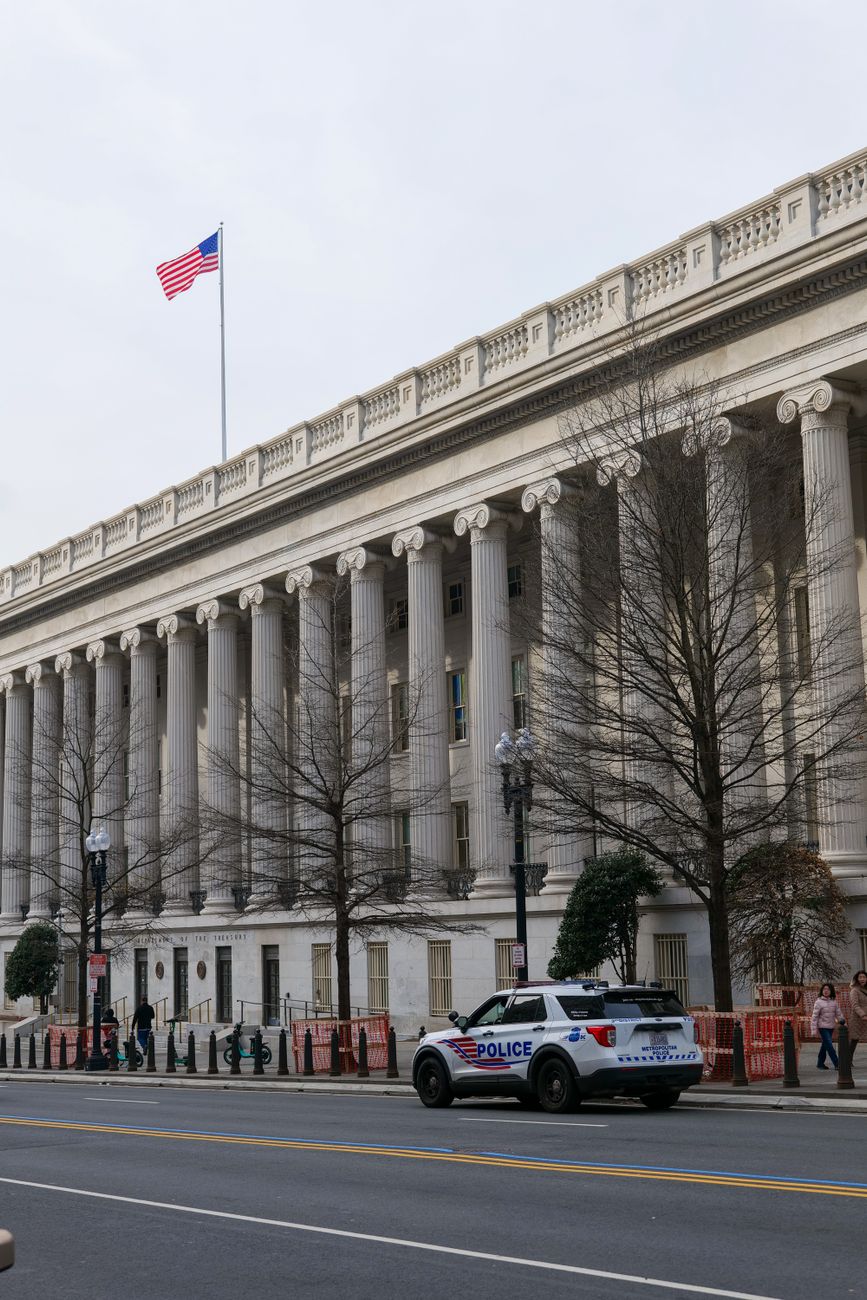
The proposal is framed as a security move, but it would change one of Washington’s most symbolic public spaces. The real issue is how much control officials should have over the plaza in front of the White House.
Pennsylvania Avenue in front of the White House is already one of the most watched stretches of pavement in America. Now it could become visibly harder to enter, linger in or move through.
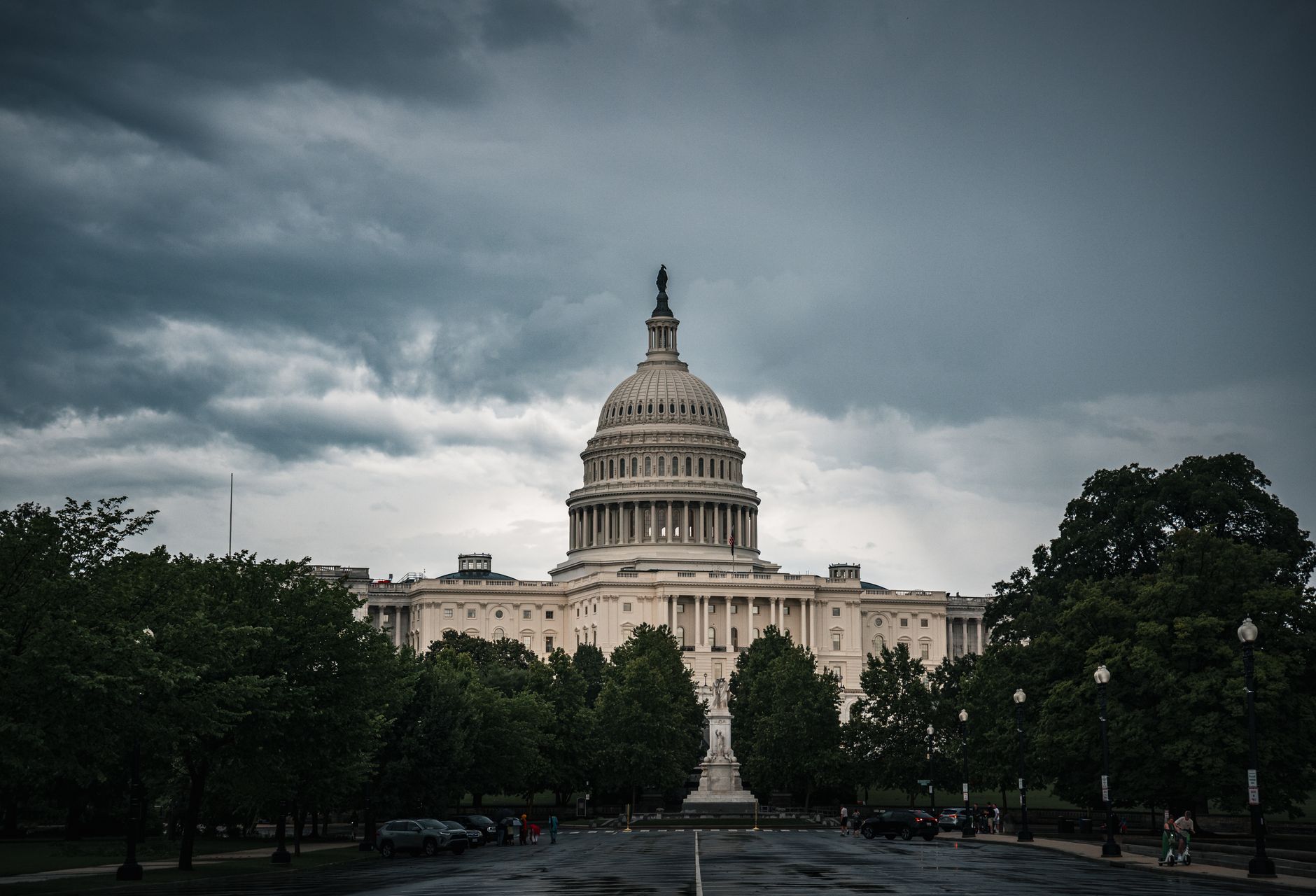
A Trump administration plan would fence off the section of Pennsylvania Avenue outside the White House, according to The Washington Post. The reported proposal, sought by the Secret Service as a security measure, would give officials more control over a space that has long functioned as both a tourist stop and a protest stage.
A fence with symbolic weight
On paper, the idea sounds straightforward: add fencing to a sensitive area directly in front of the White House. In practice, the change would land in one of the most politically loaded public spaces in the country.
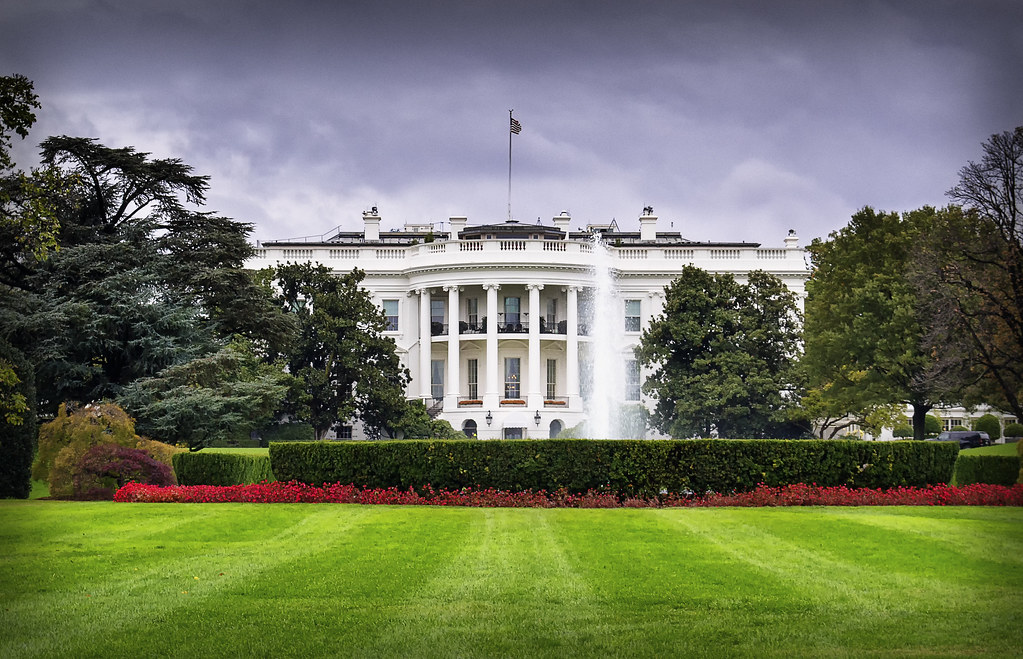
The portion of Pennsylvania Avenue near the White House is not just another street. It is where visitors take photos, demonstrators gather, and presidents are visually framed against a public backdrop. Even after vehicle traffic was shut out decades ago, the area retained the feel of a civic plaza rather than a sealed compound.
That is why a fence matters. It would not only help define a security boundary. It would also redraw the psychological line between the public and the presidency.
The Washington Post reported that the fencing is being sought by the Secret Service and would make it easier for officials to control the area. That wording is key: control is the point, and control is also what will make the proposal controversial.
Security is the official rationale
The White House is both a residence and a workplace for the president, senior staff, security personnel and visitors. It is also a globally recognized target. No administration treats the perimeter casually.
The Secret Service has repeatedly pushed for layered security around the complex, especially after breaches, attempted intrusions and large-scale events near the grounds. Fencing, vehicle barriers, checkpoints and controlled pedestrian zones are all part of that broader security logic.
From that perspective, Pennsylvania Avenue is a difficult space to manage. It sits directly in front of the White House, attracts crowds, and can quickly shift from tourist foot traffic to demonstrations or emergency response. A more defined barrier could let authorities close, screen or redirect the area faster.
But the same features that make the avenue complicated for security are what make it important to the public. People go there precisely because it is close, visible and politically charged.
The avenue has changed before
This would not be the first time security concerns reshaped the street. Pennsylvania Avenue in front of the White House was closed to regular vehicle traffic in 1995, after the Oklahoma City bombing intensified fears about truck bombs and attacks on federal buildings.
That closure transformed the space. What had been a major ceremonial roadway became a pedestrian zone, with the White House fence on one side and Lafayette Square nearby. Over time, the area became familiar as a place where tourists, activists, police and federal security all shared uneasy proximity.
Later security changes further hardened the White House complex. The fence around the grounds was replaced with a taller, stronger design after multiple incidents raised concerns about people scaling the barrier. Temporary fencing has also appeared during periods of unrest or major events.
Each move has been defended as practical. Each has also fed a larger question: how much of the public realm around the White House can be restricted before the space stops feeling public at all?
The protest question will loom
Any permanent or semi-permanent barrier along Pennsylvania Avenue would be judged not only by engineers and security officials, but by civil liberties groups, demonstrators and Washington residents who use the space.
The area around the White House has long served as a stage for political speech. Demonstrations there can be messy, loud and inconvenient. That is part of the point. The visibility of dissent so close to the executive mansion is one reason the location matters.
A fence would not automatically ban protest. The details would matter: where people could gather, how close they could stand, whether access would be open most days, and who would decide when to close it. A barrier can be a security tool, but it can also become a gatekeeping tool depending on how it is used.
That is where the plan could face its sharpest criticism. The public may accept stronger protection for the White House. It may be less willing to accept a design that appears to push ordinary people farther away from the seat of executive power.
Trump’s capital-building ambitions
The reported fencing proposal also arrives in a broader context: Donald Trump has often treated Washington’s federal spaces as places where power, spectacle and architecture intersect.
During his presidency and political career, Trump has shown a strong interest in the visual presentation of the capital, from military displays to monument-focused events and federal building aesthetics. A fence along Pennsylvania Avenue would fit into a different category, but it would still alter the look and feel of a presidential stage.
That does not mean the plan is purely political. The Secret Service’s security role is real, and threats to public officials have become a persistent concern across party lines. But in Washington, physical changes around the White House are rarely seen as neutral.
When a president’s administration backs a visible barrier in front of the executive mansion, people will read it as a statement about openness, risk and power, whether or not that is how officials describe it.
What is still unclear
The biggest unanswered questions are practical ones. The public has not yet seen a full design, a detailed timeline, a final access plan or a clear explanation of how the fence would operate day to day.
Several details will determine how dramatic the change feels:
- Where the fence would run and whether it would fully enclose the pedestrian space.
- How often access would be restricted during normal days, protests, holidays and official events.
- Who would manage entry and whether visitors would face screening or checkpoints.
- How the plan would affect Lafayette Square and nearby pedestrian routes.
- Whether local officials or preservation bodies would have a meaningful role in reviewing the design.
Those details will decide whether this is experienced as a modest perimeter upgrade or a major narrowing of public access outside the White House.
The fight, if it comes, will not be over whether the president should be protected. Almost everyone agrees on that. The harder question is whether protection requires turning one of America’s most visible democratic spaces into something that feels more like the edge of a secure compound.



Leave a Reply