
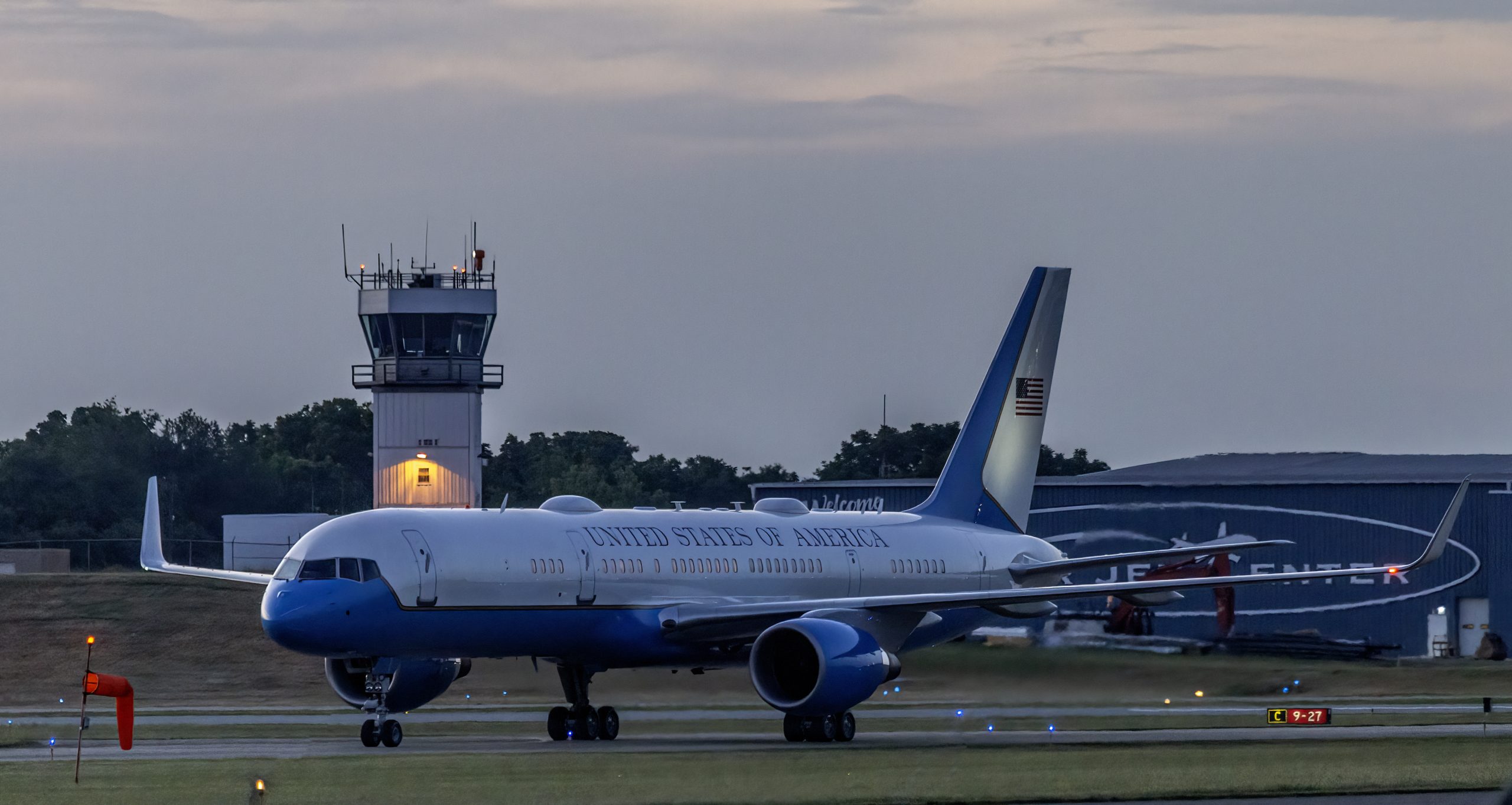
The presidential aircraft choice may sound like trivia, but it points to a bigger issue: America’s flying White House is aging, and its replacement is still not ready.
A presidential plane choice usually disappears into the background. This one did not.
CBS News reported that the Secret Service advised President Donald Trump to take an older plane to depart Turkey, a detail that immediately revived questions about the long-delayed effort to replace Air Force One. The key point is not just which jet was used. It is why the United States is still relying on aging presidential aircraft while the next generation remains unfinished.
The plane switch raised eyebrows
According to CBS News, the Secret Service advised that Trump use the older plane for the departure from Turkey. That wording matters because presidential travel decisions are rarely casual or cosmetic.
The Secret Service does not simply pick aircraft for comfort. Its role is to assess risk, movement, secure routes, and contingency plans around the president. When an agency recommendation changes the expected travel setup, it naturally invites questions about security, logistics, aircraft availability, or conditions on the ground.
There is no public evidence from the CBS report that the decision was caused by a single dramatic problem. That is part of the uncertainty. The public knows the advice was given; it does not yet know the full reason behind it.
Air Force One is a call sign
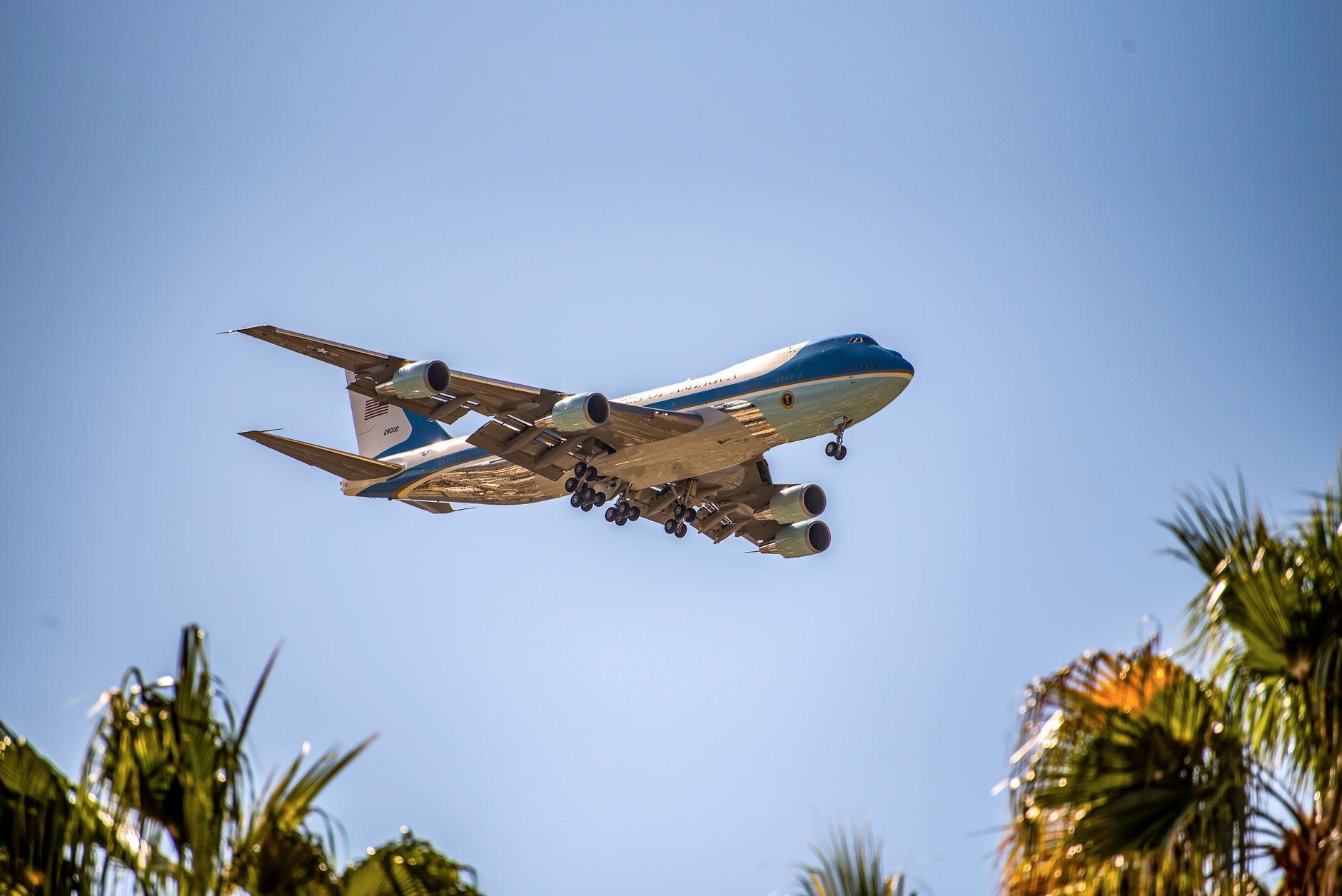
One source of confusion is the name itself. Air Force One is not technically the name of one specific airplane. It is the call sign used by any U.S. Air Force aircraft carrying the president.
In everyday language, though, Air Force One usually refers to the two highly modified Boeing 747-200B aircraft known as VC-25A jets. Those planes entered service in 1990 during the George H.W. Bush administration, which means the core presidential aircraft are now more than three decades old.
They are not ordinary airliners. They are flying command centers with secure communications, defensive systems, medical capability, staff workspaces, and the ability to support the president during a crisis. Keeping that kind of aircraft ready is far more complicated than maintaining a commercial jet of similar age.
That complexity is why a seemingly simple question — why use the older plane? — quickly becomes a bigger question about the future of presidential travel.
The replacement is years late
The Air Force’s replacement program, known as VC-25B, is built around two Boeing 747-8 aircraft that are being converted into the next presidential planes. The goal is to deliver aircraft with updated communications, security systems, interiors, power systems, and survivability features suited for modern threats.
The program has been under scrutiny for years because of delays, cost pressure, and the difficulty of turning commercial airframes into hardened presidential aircraft. In 2018, the Air Force awarded Boeing a roughly $3.9 billion fixed-price contract for the two aircraft, a structure that later became costly for Boeing as the work slipped and expenses climbed.
Public timelines have shifted repeatedly. The replacement aircraft were once expected earlier in the decade, but delivery has been pushed back, with publicly reported schedules pointing toward the latter half of the 2020s.
That means each new incident involving the current fleet lands in a sensitive political space. The planes are safe enough to keep flying, but old enough that every disruption becomes a reminder that the replacement is not here.
Old does not mean unsafe
It is tempting to read the word old as a warning sign. With presidential aircraft, that can be misleading.
Military aircraft often serve for decades because they receive constant maintenance, inspections, upgrades, and component replacements. The current Air Force One aircraft are supported by specialized crews and systems designed around reliability and redundancy.
Still, age matters. Older aircraft can become more expensive and time-consuming to maintain. Parts may be harder to source. Technology installed decades ago may require extensive upgrades to remain compatible with modern communications and security requirements.
That is the central tension: the existing planes can continue to perform the mission, but the mission itself has become more demanding. Cybersecurity, secure global communications, missile-defense concerns, and crisis-management capability all look different now than they did in 1990.
What remains unanswered
The biggest unknown is why the Secret Service advised Trump to take the older aircraft out of Turkey. There are several possible categories, and not all of them would imply a mechanical issue.
- Security posture: threat assessments can affect which aircraft, route, or departure plan is preferred.
- Airport constraints: runway, ramp, fueling, maintenance, or access conditions can influence aircraft choice.
- Operational readiness: one aircraft may be better positioned, staffed, fueled, or configured for a specific departure.
- Schedule pressure: presidential movements often require fast adjustments that are invisible to the public.
Without more detail from the White House, Secret Service, or Air Force, the safest reading is also the most restrained one: the decision was notable because of who advised it and because it comes against the backdrop of a delayed replacement program.
That is enough to make it newsworthy, but not enough to support speculation about a specific failure.
Why the story keeps sticking
Air Force One sits at the intersection of power, symbolism, and public money. It is not just transportation. It is a visible expression of presidential continuity, national security, and American technical capability.
That is why the delayed replacement program has political staying power. Taxpayers see a multibillion-dollar contract. Presidents see a critical national-security tool. Boeing sees one of the most complex fixed-price aircraft conversions in the world. The Air Force sees a mission that cannot tolerate improvisation when the president is in the air.
Trump’s use of an older plane does not by itself prove the replacement program is in crisis. But it does sharpen the question hanging over the project: how long can the government keep defending delays while the current fleet keeps carrying the burden?
For now, the answer is practical rather than dramatic. The old planes are still doing the job. The new ones are still coming. And every high-profile travel wrinkle will keep reminding the public that the handoff has taken far longer than promised.




Leave a Reply