
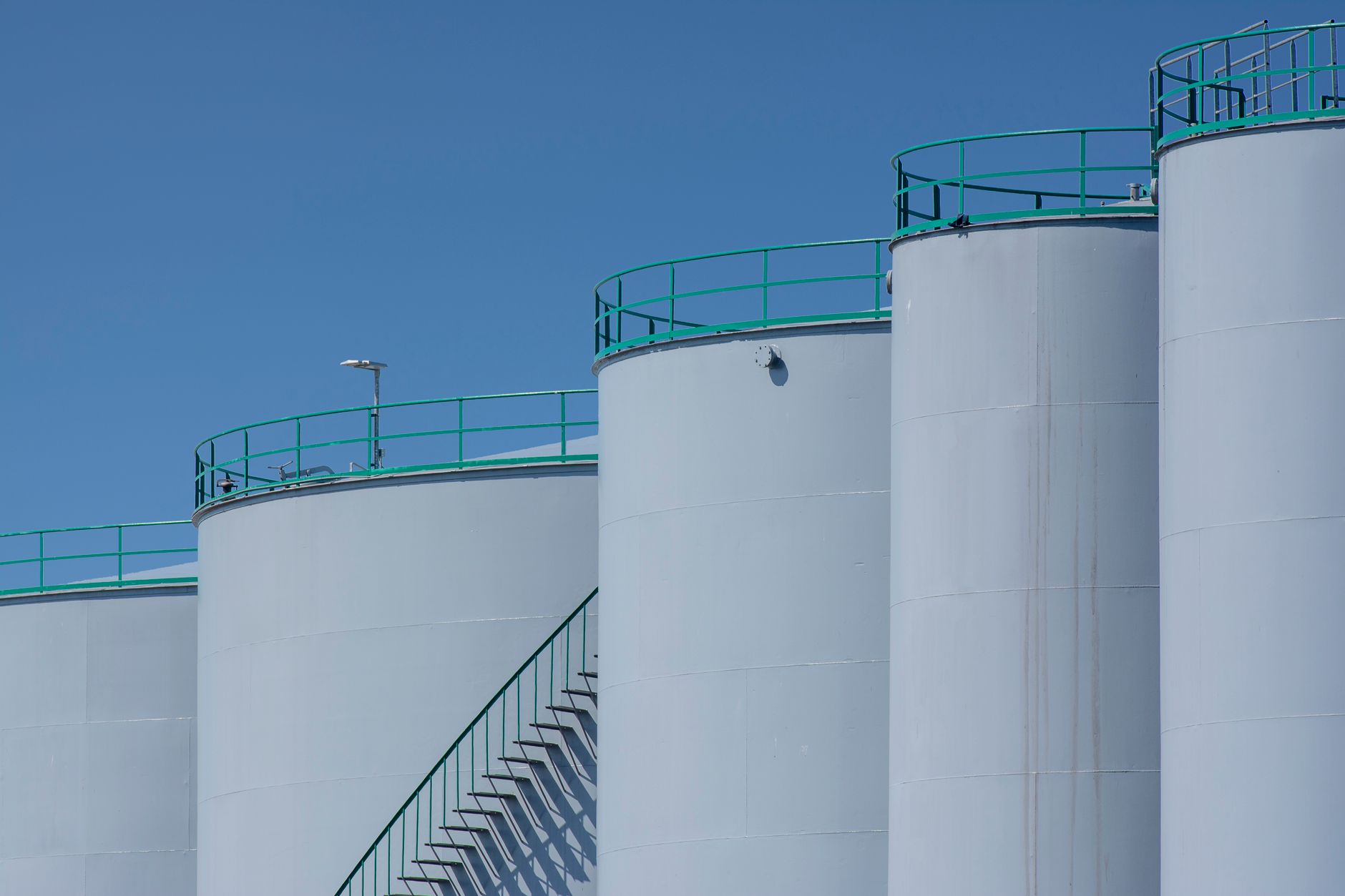
The latest fires at Russian energy sites point to a broader shift in the war: Kyiv is trying to make Russia’s oil system feel the cost of invasion far from the front.
Ukraine’s drone campaign is no longer just about battlefield targets. Increasingly, it is aimed at the pipes, refineries and fuel depots that help keep Russia’s war machine moving.
Fresh reports of fires at Russian oil sites after Ukrainian drone strikes add to a pattern that has become one of Kyiv’s most visible ways to project power deep inside Russia, where the impact can ripple beyond a single blaze.
Oil sites become the target
Reports from DW, Reuters and PBS point to a continuing Ukrainian focus on Russian energy infrastructure, including oil refineries, gas processing facilities and related industrial sites. In one Reuters report, Ukraine struck energy facilities in southern Russia with dozens of drones, triggering fires at a major oil refinery and a gas processing plant.
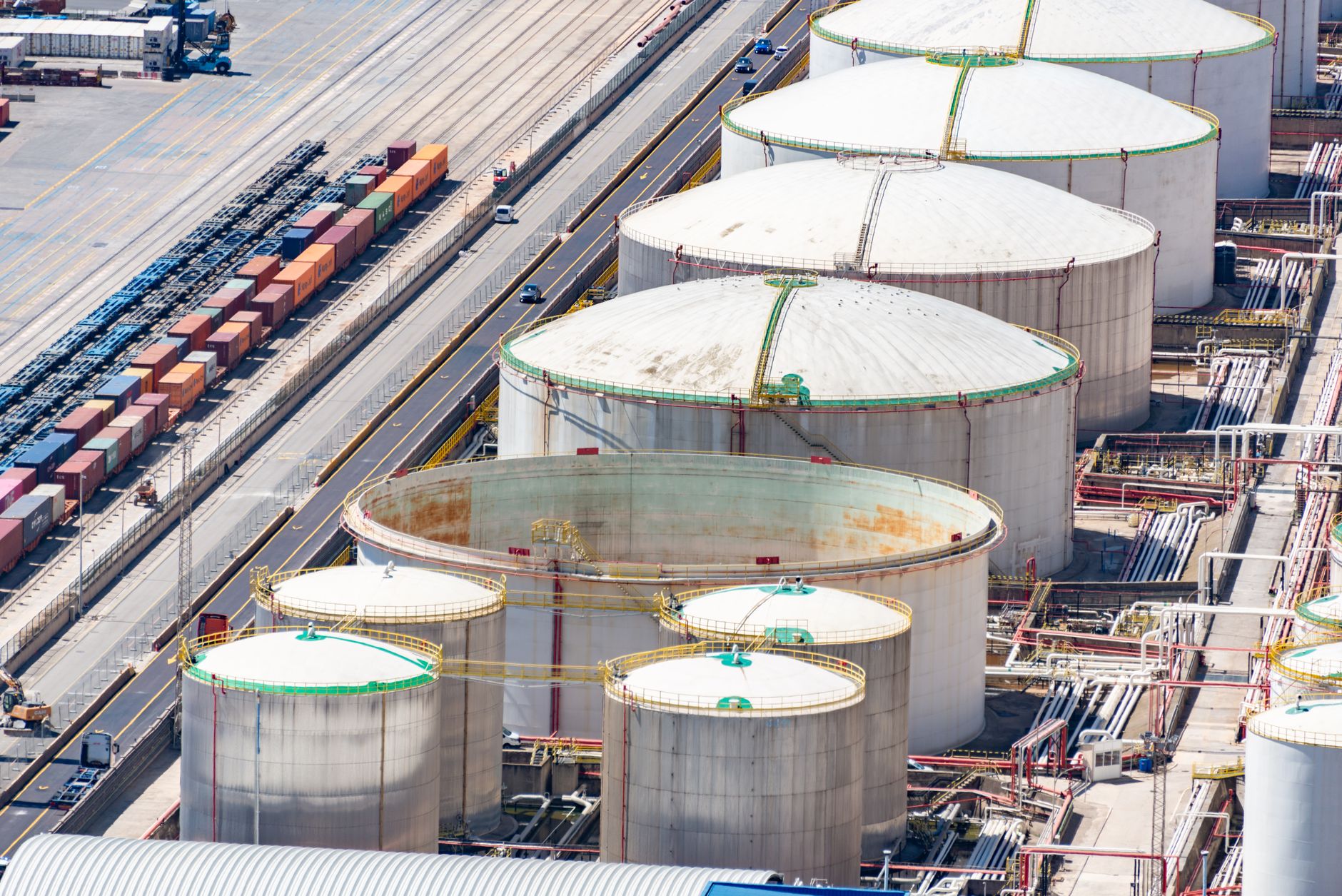
PBS reported separately that Ukrainian drones struck the Kirishi refinery in Russia’s northwestern Leningrad region, one of the country’s largest refineries. Russian officials and Ukraine’s military both acknowledged the strike, though they offered different emphasis on the damage and the success of air defenses.
The immediate images are familiar: flames, smoke, emergency crews and official statements about intercepted drones. The larger story is more consequential. Ukraine is trying to turn Russia’s vast energy network into a pressure point that Moscow cannot easily shield.
Kyiv is targeting war fuel
Ukraine has repeatedly said Russian oil infrastructure is not just civilian industry but part of the system that funds and fuels Moscow’s invasion. The logic is blunt: refineries turn crude into usable fuel, and fuel moves tanks, aircraft, trucks and supply convoys.
According to PBS, Ukraine’s General Staff said explosions and a fire were reported at the Kirishi refinery after an overnight drone attack. The outlet reported that the facility is operated by Surgutneftegas and produces close to 17.7 million metric tons a year, or about 355,000 barrels per day, making it one of Russia’s top three refineries by output.
That scale matters. A strike does not have to destroy a facility to create problems. Even temporary shutdowns, damaged processing units, safety inspections or diverted air defenses can produce operational costs.
For Kyiv, drones offer a way to reach targets that missiles might not. They are cheaper, adaptable and increasingly central to both sides’ tactics more than three years after Russia’s full-scale invasion of Ukraine.
Russia says defenses are working
Russian officials have often framed these incidents around interception rather than impact. In the Kirishi case, Leningrad regional Gov. Alexander Drozdenko said three drones were downed overnight in the area and that falling debris sparked a fire at the facility, according to PBS. He said no one was injured and the blaze was extinguished.
Russia’s Defense Ministry said at least 80 Ukrainian drones were shot down overnight over Russia, the annexed Crimean Peninsula and the Sea of Azov, PBS reported. Such figures are difficult to independently confirm, and both sides in the war use public statements to shape perception.
The central uncertainty is always damage. A visible fire does not automatically mean a refinery has suffered lasting disruption. At the same time, official assurances that a blaze was quickly contained do not settle whether production, logistics or repair schedules were affected.
That gap between smoke and verified impact is where these drone attacks often sit. They are military events, economic signals and information-war moments at once.
Fuel shortages raise the stakes
The oil strikes land against a sensitive backdrop for Russia. PBS reported that Russia remains the world’s second-largest oil exporter, but that a seasonal rise in demand and sustained Ukrainian drone strikes have contributed to gasoline shortages in recent weeks.
Some gas stations in Russia have run dry, PBS reported, with motorists waiting in long lines and officials in some regions resorting to rationing or cutting off sales. Russia has also moved to pause gasoline exports, including a full ban through Sept. 30 and a partial ban affecting traders and intermediaries through Oct. 31, according to the same report.
That does not mean drone attacks alone caused Russia’s fuel problems. Refinery maintenance, domestic demand, logistics, sanctions pressure and market management can all play a role. But strikes on energy facilities add a disruptive layer at exactly the wrong time for Russian planners.
Oil is one of Russia’s main financial lifelines. Hitting refineries can affect not only military fuel but also domestic confidence, regional supply and the government’s ability to show that the war remains distant from everyday Russian life.
A wider war beyond Ukraine
The drone campaign also highlights how far the war’s geography has expanded. Russian cities, ports, refineries, rail lines and border regions have all come under pressure in different ways as Ukraine seeks to offset Russia’s larger conventional forces.
PBS reported that the Kirishi strike followed weeks of Ukrainian attacks on Russian oil infrastructure. The same report noted that drones remain a key weapon for both sides, and that recent incidents involving Russian drones crossing into Poland have sharpened NATO fears about spillover beyond Ukraine’s borders.
That is why these oil-site fires draw attention even when casualties are not reported. They show a war increasingly fought through distance, infrastructure and disruption, not only through trenches and artillery lines in eastern and southern Ukraine.
For Russia, the challenge is defensive depth. Protecting every refinery, tank farm, pipeline junction and rail connection across a huge country is far harder than defending a single front.
What remains unclear now
The most important unanswered question is how much damage the latest strikes caused. Fires can look dramatic, but the real measure is whether processing capacity, storage, transport or export flows were interrupted for days, weeks or longer.
It is also unclear how Russia will adapt if the attacks continue at this tempo. Moscow can move air defenses, harden facilities, restrict fuel exports, increase repairs or retaliate with heavier strikes on Ukraine’s energy grid, as it has done repeatedly during the war.
Ukraine, meanwhile, appears to be betting that pressure on Russian oil infrastructure creates military and political costs without requiring a breakthrough on the front line. The strategy is risky, but it has a clear purpose: make Russia spend more to defend the economic system that helps sustain its invasion.
The fires at Russian oil sites may fade quickly from view. The campaign behind them is harder to dismiss. It suggests Kyiv sees Russia’s fuel network not as a backdrop to the war, but as one of its central battlegrounds.









Leave a Reply