
A dispute over damage at the Lincoln Memorial Reflecting Pool has become one example of how Trump and his critics differ over who should answer for problems during his presidency.
President Donald Trump said vandalism caused problems with the revamp of the Lincoln Memorial Reflecting Pool. But, according to The Associated Press, the office of a prosecutor Trump appointed said the damage resulted from shoddy workmanship.
The disagreement is one episode in a broader debate over Trump’s approach to setbacks. He has attributed unwelcome outcomes to Joe Biden, earlier presidents, outside circumstances and congressional Republicans, while the White House says he is addressing inherited failures and delivering results.
A dispute at the Reflecting Pool
The Reflecting Pool dispute turns on competing explanations for damage tied to its revamp. Trump has said vandalism was to blame. The office of a prosecutor appointed by Trump said the damage was caused by shoddy workmanship, according to AP.

The episode matters because it illustrates the larger question surrounding Trump’s public explanations: whether a problem should be understood as the result of outside factors or as an outcome for which an administration in office must answer.
Presidents face events and constraints they did not create, and assigning responsibility to a predecessor or Congress is not unique to Trump. AP’s account, however, describes Trump making that case across several policy areas.
The White House’s case for inherited failures
The White House rejects the characterization that Trump is simply passing responsibility elsewhere. Spokesperson Taylor Rogers said Trump is “rightfully addressing the failures of his predecessors” while delivering what she described as major wins for Americans.
Rogers cited tax cuts, efforts to lower prescription drug prices, immigration and border enforcement, increased domestic energy production and a strong stock market as policies Republicans can run on.
Under that view, Trump’s references to the conditions he inherited provide context for the work of his administration rather than an attempt to avoid accountability. The administration’s position is that long-running challenges did not disappear overnight and that Trump is acting on them.
Economic frustration and competing targets
Trump has blamed Biden for weak economic conditions and persistent inflation, even though Biden has been out of office for more than 18 months. The contrast is notable because Trump had previously promised a rapid economic turnaround.
Economic outcomes can reflect several forces at once, including prices, wages, interest rates, investment and trade. A president does not control every part of the economy, and policy effects can take time to emerge.
Trump also acknowledged voters’ anger in a recent interview with Punchbowl, according to AP, but said their frustration was directed at congressional Republicans rather than him.
Critics argue that a president can explain causes and constraints while still acknowledging responsibility for choices made during an administration. Supporters may see Trump’s approach differently, as an effort to identify institutions and past decisions they believe created the problems he confronts.
A long-running standard of presidential responsibility
“The Buck Stops Here” is most closely associated with President Harry S. Truman, who kept the sign on his desk. In his 1953 farewell address, Truman said the president had to decide and could not pass the buck to someone else.
AP notes that Trump once expressed a similar business-world view. In 2013, he said that whatever happens, a leader is responsible. During his 2016 nomination speech, he said he alone could fix the system.
His later statements as president have often sounded different. During the 2019 government shutdown, Trump said, “The buck stops with everybody.” On the day he declared a national emergency over the coronavirus pandemic in 2020, he said of inadequate testing, “I don’t take responsibility at all.”
Presidential historians cited by AP contrasted that approach with leaders who publicly accepted mistakes. John F. Kennedy took responsibility after the Bay of Pigs invasion; Ronald Reagan said the buck stopped with him amid Iran-Contra; George W. Bush later listed errors from his presidency; and Barack Obama said “I screwed up” after a Cabinet nominee withdrew over unpaid taxes.
Iran and the political stakes ahead
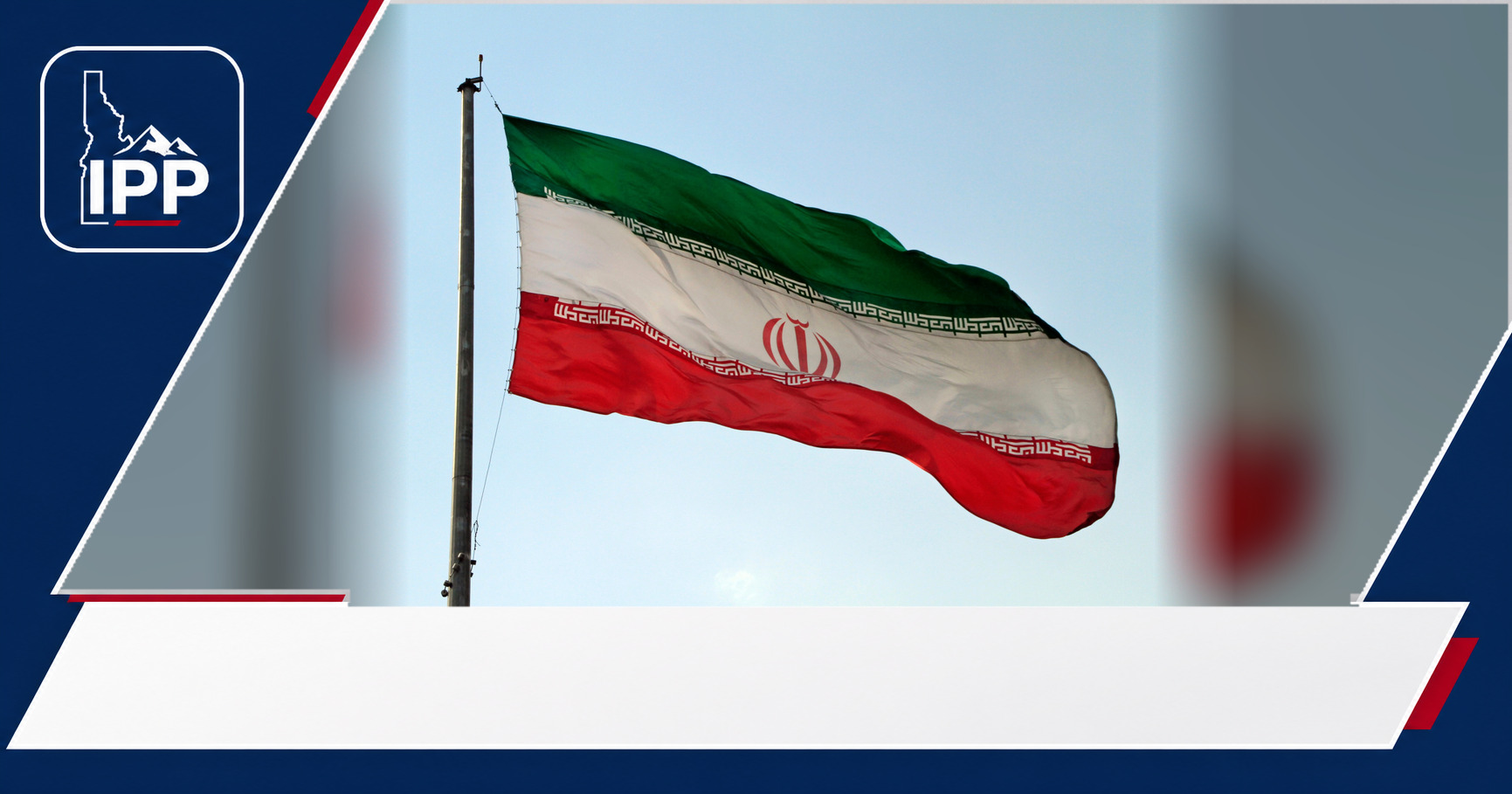
Trump has portrayed the increasingly unpopular war in Iran as the consequence of earlier presidents failing over decades to curb Tehran’s nuclear ambitions. AP reported that the war has helped keep oil prices high, lowered Trump’s approval rating and shaken the global economy.
That argument, like Trump’s explanation of the Reflecting Pool damage and his economic criticism of Biden, presents his role as corrective rather than culpable. Whether voters accept that distinction remains unresolved.
The issue extends beyond Trump’s own standing as Republicans try to hold congressional majorities in November. Candidates must make the case that voters’ concerns are being heard and addressed, while defending conditions voters experience in the present.
The White House believes its policy record will settle the argument. Critics contend that accountability requires more direct ownership when outcomes are bad. For voters, the question is whether they believe responsibility rests with the person in charge or with the forces and decisions that came before.





Leave a Reply