
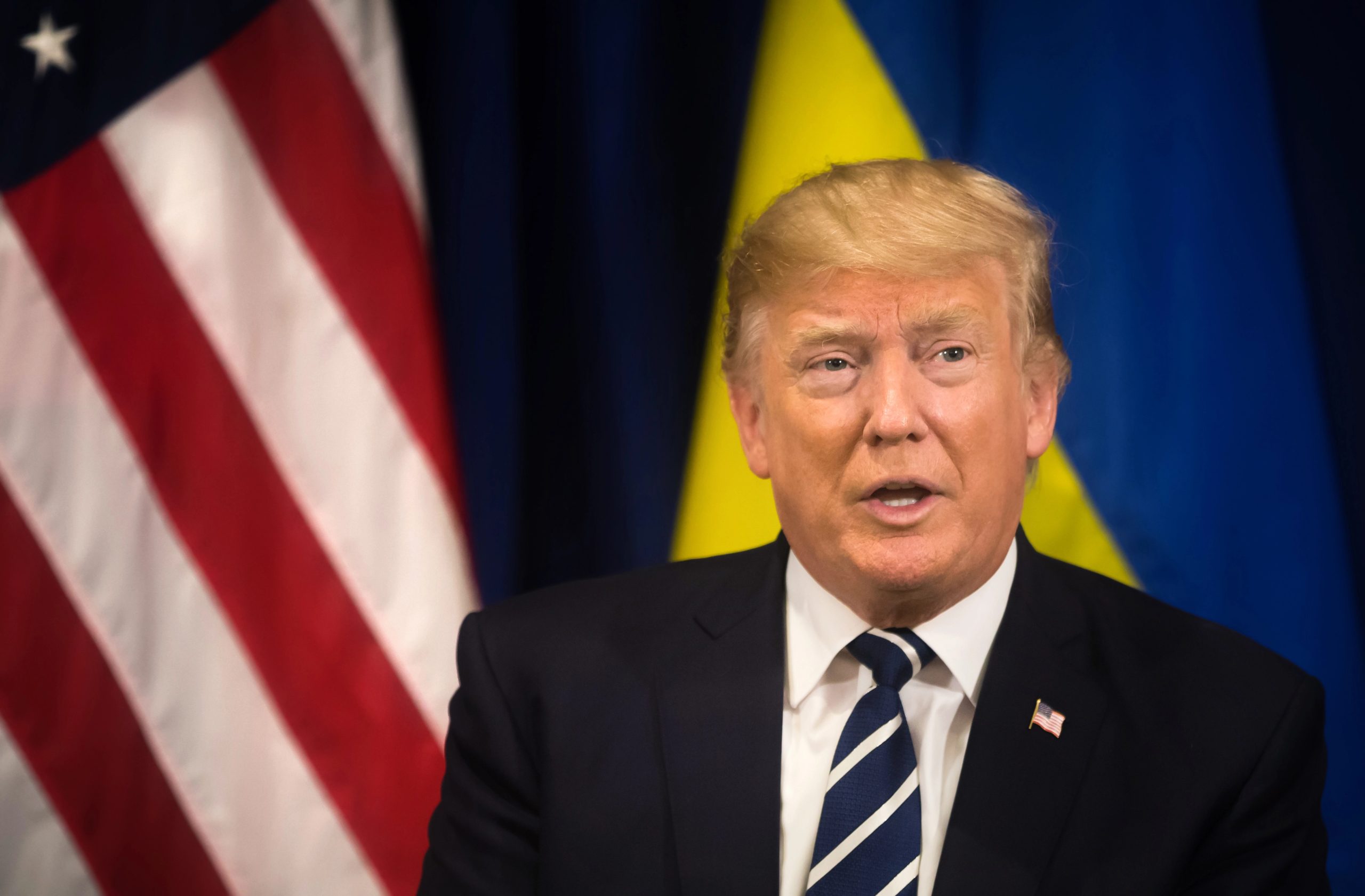
The latest court movement is procedural, but the odds matter. Rehearing petitions at the Supreme Court almost never succeed, and a denial would leave Trump with little room to disturb the Carroll judgment through that route.
The Supreme Court is signaling that Donald Trump’s rehearing bid could soon be rejected in E. Jean Carroll’s civil case: the justices have distributed his July 8 request to reconsider their June 29, 2026 decision leaving in place a $5 million 2023 verdict from New York. Carroll’s 2022 lawsuit alleged Trump sexually assaulted her in a Manhattan department store in 1996 and later defamed her.
SCOTUSblog reported the court could act in August, and the justices have not granted a petition to reconsider a denial of review since 2018. That makes the status of Trump’s request important, but also tells readers what this development is — a narrow procedural move, not a fresh trial.
The signal is procedural
The Supreme Court has not announced a ruling on Trump’s petition for rehearing. The new signal is that the request has been distributed to the justices, putting it in position for possible action on a coming orders list.
According to SCOTUSblog’s Amy Howe, the court could act on the request in its next set of summer orders, scheduled for Monday, Aug. 17. That does not guarantee a decision that day, but it gives the petition a concrete place on the court’s calendar.
For readers who do not live in Supreme Court procedure, the distinction matters. Trump is not asking the justices to conduct a trial or reweigh witness credibility. He is asking them to revisit their own decision not to take up his appeal.
That is a steep ask. The court receives many petitions asking it to review lower-court rulings, and it grants only a small share. Asking the court to reconsider after it has already said no is an even narrower path.
Why rehearing is unlikely
A petition for rehearing is essentially a plea for the justices to look again at a matter they have already declined. In ordinary practice, that requires more than disappointment with the outcome.
The most telling number here is not the $5 million verdict, but the court’s recent track record. SCOTUSblog noted that the justices have not granted a petition to reconsider their denial of review since 2018.
That history does not decide Trump’s petition by itself. The justices can always depart from past practice. But it explains why the distribution of the rehearing request is being read less as a sign of momentum for Trump and more as a sign that the court may soon dispose of the matter.
If the petition is denied, the Supreme Court’s earlier refusal to hear the case remains intact. The practical effect would be to leave the lower-court outcome in place, rather than opening a new Supreme Court battle over the Carroll verdict.
The verdict Trump challenges
The case at issue began with Carroll’s 2022 filing in federal court in New York. She alleged that Trump sexually assaulted her in a dressing room at a Manhattan department store in 1996, then defamed her in 2022 after she publicly discussed her allegation.
A jury later awarded Carroll $5 million in 2023. The U.S. Court of Appeals for the 2nd Circuit upheld that verdict, keeping the judgment against Trump in place before the case reached the Supreme Court.
Trump asked the Supreme Court to review the case after losing in the lower courts. The justices considered the petition at their June 25 conference and denied it on June 29, 2026, according to SCOTUSblog’s summary of the docket history.
Trump then filed the July 8 petition for rehearing. That filing is the request now distributed to the justices and potentially headed for action in August.
The evidence fight underneath
Trump’s Supreme Court argument centered on evidence that was presented to the jury. He argued that Carroll’s lawyers should not have been allowed to introduce testimony from other women who alleged Trump assaulted them.
He also challenged the use of the 2005 “Access Hollywood” tape, in which Trump was recorded making crude comments about grabbing women. Trump’s position was that this material should not have been before the jury.
Carroll’s side argued the verdict should stand. In her brief opposing Supreme Court review, Carroll said that even if the challenged evidence had been excluded, the rest of her case was strong enough that the verdict would not have changed.
That is the legal fight Trump wanted the justices to take up. The court’s June 29 denial left the 2nd Circuit’s ruling undisturbed. The rehearing petition asks the justices to undo that refusal and give the appeal another look.
What a denial would mean
A Supreme Court denial would not be a detailed endorsement of every ruling below. The court often denies review without explaining its reasoning, and such denials do not carry the same meaning as a decision on the merits after full briefing and argument.
Still, the consequence would be real. If the justices reject the rehearing bid, Trump’s effort to use the Supreme Court to disrupt the $5 million Carroll verdict would effectively be over in this case.
For Carroll, that would preserve the judgment she won and the appellate ruling that upheld it. For Trump, it would mark another failed attempt to challenge how the trial was conducted and what evidence the jury heard.
The case also lands in a broader public context because it involves a former and current president, a civil verdict tied to allegations of sexual misconduct, and the Supreme Court’s limited role in correcting alleged trial errors. The court is not built to be a routine error-correction body for every civil case, even high-profile ones.
What remains unclear
The main uncertainty is timing. SCOTUSblog reported that the petition may be considered in August, with the next summer orders scheduled for Aug. 17. The court could act then, or it could handle the matter later.
It is also unclear whether any justice will publicly note a dissent or separate statement if rehearing is denied. Many order-list decisions are brief and spare, especially when the court declines to revisit a denial of review.
What is clear is the posture: Trump has already lost the bid to get full Supreme Court review, and the rehearing petition asks the justices to reconsider that refusal. Given the court’s history since 2018, that request faces long odds.
The bottom line is narrower than the political noise around the case. The Supreme Court is not reopening the Carroll trial today. It is deciding whether to reconsider its own decision to stay out — and if it says no, the $5 million verdict remains where the lower courts left it.









Leave a Reply