
The legal calendar has given Trump delays and openings, but it has also kept multiple threats alive at once. That is why the “walls closing in” argument is less about one case than the pileup.
Donald Trump is facing increasing legal and political pressure, and the familiar claim that the walls are closing in on Trump rests on more than one courtroom fight. The walls truly may not close in a single dramatic moment; the squeeze is cumulative. The pressure points include his New York felony conviction, the federal election-interference indictment reshaped after the Supreme Court’s July 1, 2024 immunity ruling, the Georgia election case, the classified-documents appeal, and civil judgments threatening his finances.
That matters because even delays keep forcing Trump to defend his conduct, his fortune and his political standing at the same time. The question is not whether every case moves quickly. It is whether the combined pressure changes his room to maneuver.
The squeeze is cumulative
Trump’s legal peril has never been a single-file story. It is a stack: criminal charges, civil penalties, appeals, immunity fights and political messaging all feeding into one another.
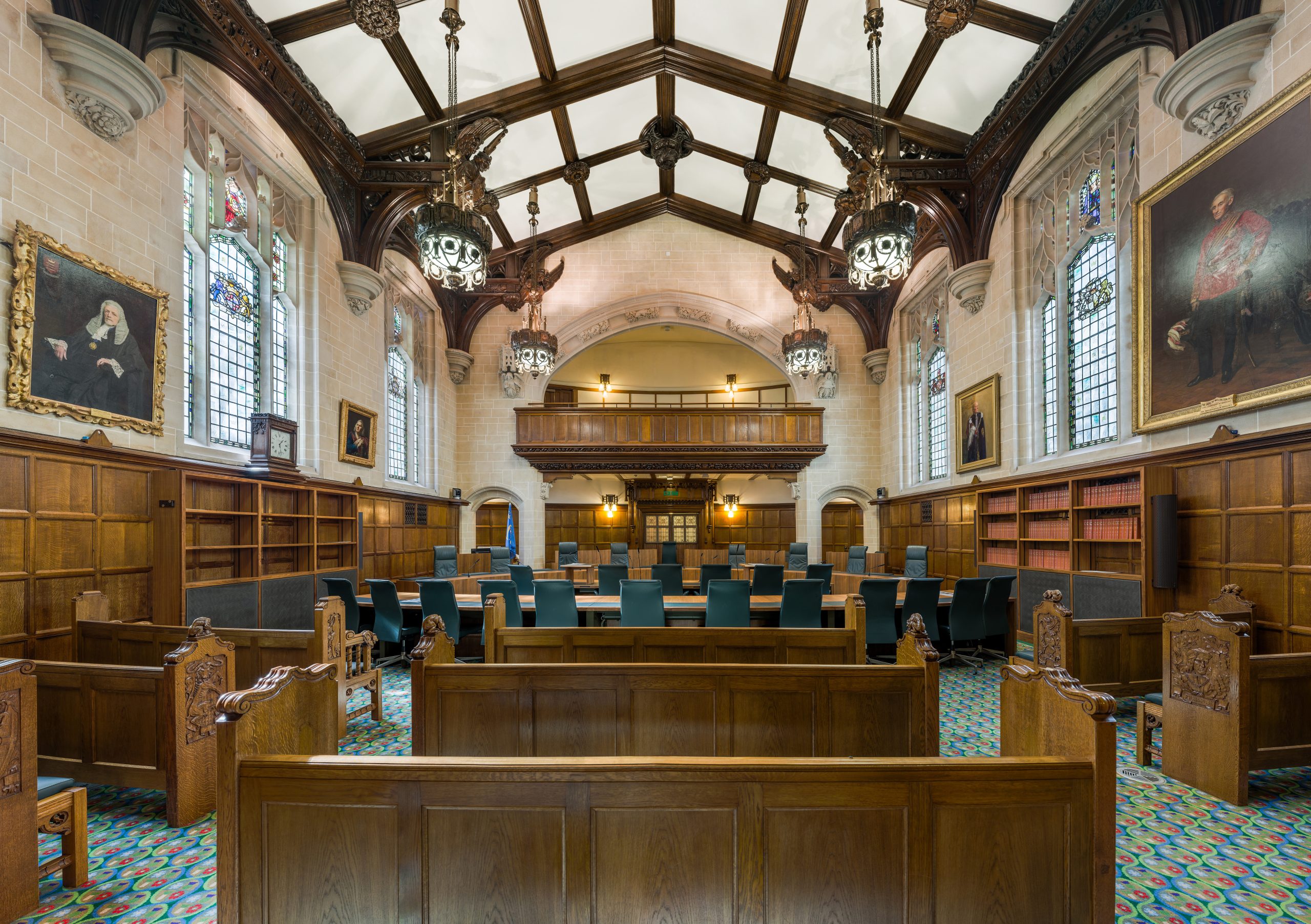
The Associated Press has tracked the major criminal and civil cases against Trump, including the New York hush money case, the federal election case in Washington, the Georgia election case, the classified-documents case in Florida and major civil judgments in New York. Each has its own timeline. Together, they create a broader pressure system.
That is why the “walls closing in” phrase can be both overused and still meaningful. No one ruling has ended Trump’s political career. But the legal record has created recurring moments of exposure: verdicts, appeals, filings, hearings, financial penalties and judicial decisions that keep returning him to the same questions about accountability.
One verdict changed the baseline
The clearest shift came in New York, where Trump was convicted on May 30, 2024, on 34 felony counts of falsifying business records. AP reported that the case centered on allegations that Trump’s company falsely recorded reimbursements connected to hush money paid during the 2016 campaign season.
Trump has denied wrongdoing and vowed to appeal. He has called the case politically motivated and argued that the payments were legitimate legal expenses. His lawyers have also sought to use the Supreme Court’s presidential-immunity ruling to challenge the verdict.
Even with those fights unresolved, the conviction altered the political and legal baseline. Trump is not merely a former president under investigation. He became the first former president convicted of felony crimes, a fact that opponents can cite and supporters can dismiss as persecution, but neither side can erase.
The practical stakes are also unresolved. AP noted that sentencing was scheduled after the verdict, while Trump continued efforts to have the conviction thrown out. That uncertainty is part of the pressure: the case is not finished, but it is no longer theoretical.
Immunity helped, but only partly
The Supreme Court gave Trump a major legal opening on July 1, 2024, when it ruled that former presidents have broad immunity for official acts, while making clear there is no immunity for unofficial acts. Reuters described the ruling as an important victory for Trump that also delayed the federal election-interference case.
The ruling did not wipe out the issue. It sent lower courts into the harder task of deciding which alleged acts were official and which were not. The Supreme Court’s opinion specifically left that sorting job to the lower courts for much of the conduct alleged in the indictment.
That distinction matters. The Justice Department’s federal election indictment accused Trump of conspiring to overturn the 2020 election results. After the immunity ruling, prosecutors filed a revised indictment that kept the same four charges while trimming allegations tied more directly to presidential powers, according to reporting from Politico and the public court record.
Trump has pleaded not guilty and says the prosecution is politically driven. His lawyers argue the immunity ruling protects him more broadly than prosecutors say. The result is a fight that may narrow the case, delay it or reshape it, but not necessarily end the accountability question.
Civil cases hit another nerve
The criminal cases draw the loudest attention, but the civil judgments create a different kind of pressure. They target money, brand value and business power.
In the New York civil fraud case, Reuters reported that Trump appealed a judgment that had grown to about $454 million with interest. His lawyers argued there were no victims and that New York Attorney General Letitia James overstepped her authority. The state countered that Trump and his co-defendants used fraudulent financial statements to obtain better terms from lenders and insurers.
That appeal revealed a live tension. Some judges appeared skeptical of the size of the penalty, Reuters reported, while others questioned why false statements should not carry consequences even if counterparties profited. In other words, Trump has real appellate arguments, but the state also has a broader public-interest argument about fraud enforcement.
There is also the E. Jean Carroll litigation. AP reported that juries ordered Trump to pay a total of $88.3 million after findings involving sexual abuse and defamation. Trump denies Carroll’s allegations and is appealing. Still, those verdicts add to the financial and reputational burden.
Delay cuts both ways
Trump’s strongest legal weapon has often been time. Appeals, immunity disputes and procedural fights can slow cases dramatically. In politics, delay can be victory if it pushes legal consequences past a campaign calendar or blunts public attention.
But delay is not the same as disappearance. A stalled case can still produce damaging filings. An appeal can still keep a massive judgment alive. A postponed sentencing can still hang over a candidate or officeholder. That is the hidden cost of a strategy built on running out the clock.
There is also a messaging tradeoff. Trump’s base has often rallied around his claim that prosecutors and Democratic officials are targeting him. For his supporters, the cases can reinforce the idea that he is battling a hostile establishment.
For swing voters and critics, the same pileup can tell the opposite story: that Trump is surrounded by allegations, verdicts and judgments because his conduct repeatedly crossed legal lines. The legal record becomes political evidence, even when court proceedings remain unfinished.
What is still unclear
The biggest unknown is not whether Trump faces pressure. He does. The harder question is how much of that pressure turns into durable consequence.
Several outcomes remain uncertain:
- Appeals could shrink or erase penalties. Large civil judgments can be reduced, reversed or sent back for more proceedings.
- Immunity fights could narrow criminal cases. Courts must separate official acts from unofficial conduct in ways that could limit what prosecutors can use.
- Georgia remains procedurally tangled. AP reported the case was slowed by disputes over Fulton County District Attorney Fani Willis and appeals tied to her role.
- The classified-documents case faces its own appellate path. After U.S. District Judge Aileen Cannon dismissed the case over the special counsel’s appointment, prosecutors appealed, according to AP.
That mix makes sweeping predictions risky. Trump has survived legal and political crises that would have ended other careers. He has also lost major courtroom battles that cannot simply be spun away.
The sharper reading is this: the walls are not closing in evenly, and they are not closing in on anyone’s preferred schedule. But the pressure has become more layered, more expensive and harder to separate from Trump’s political identity. That is why the legal squeeze is bigger than one verdict — and why it is not going away quietly.






Leave a Reply