
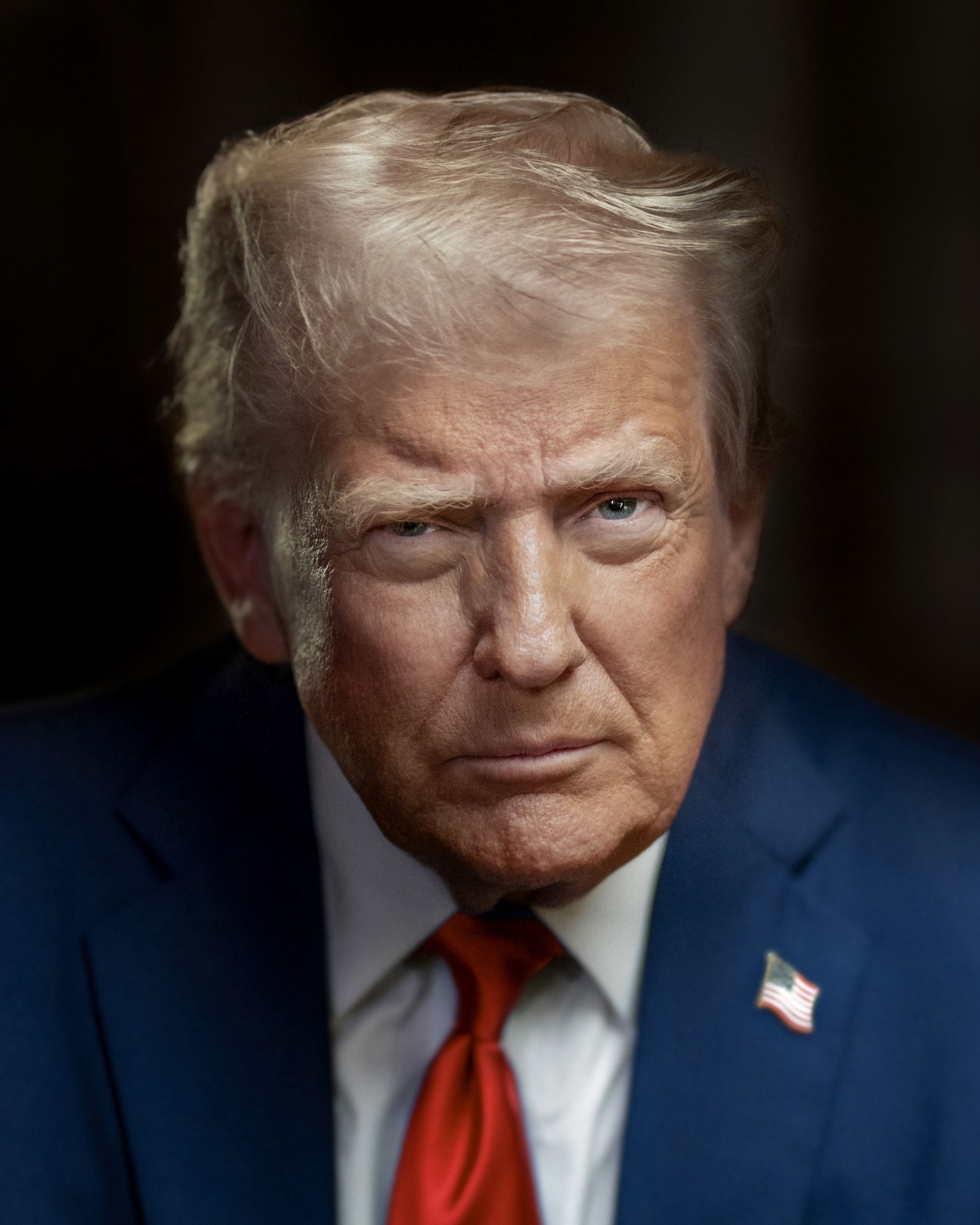
The latest Trump court analysis points to a bigger pattern: losing in court does not always mean losing politically. But repeated setbacks carry legal costs, public-relations risks and limits judges can enforce.
Donald Trump used a court tactic that failed or backfired: the Trump court play of pressing aggressive legal claims, especially against media defendants, has run into repeated judicial limits. The legal strategy behind the setback is straightforward — use litigation to punish, pressure or reframe damaging coverage — but Trump’s court setbacks matter now because the losses can still shape campaign messaging, settlement pressure and the press climate around him.
That is the tension behind the latest analysis of Trump’s legal approach. A courtroom defeat may look clean on paper. In politics, it can still become a fundraising line, a grievance story or a warning shot to institutions that might rather avoid the fight.
The tactic at the center
The tactic is not simply filing lawsuits. Powerful people sue all the time, and some claims have merit. The distinctive Trump move is to treat litigation as both a legal tool and a communications weapon.

In that model, the complaint itself does work before a judge ever rules. It generates headlines. It signals aggression to supporters. It tells media companies, former aides, prosecutors and critics that the cost of conflict may be high even if they ultimately win.
Reuters reported in April 2026 that Trump’s court setbacks had not blunted his campaign against media organizations. That framing captures the key point: losing individual cases does not necessarily end the broader pressure campaign.
But the same strategy can backfire. Courts can dismiss weak claims, order fee payments, narrow discovery, reject immunity arguments or create written rulings that make the legal theory look thinner than the political rhetoric around it.
Why losing can still pressure targets
For a media company, nonprofit, former employee or political adversary, winning a lawsuit is not free. Lawyers cost money. Executives spend time on depositions and document searches. Editors and reporters may think twice before publishing a risky story if they know a lawsuit could follow.
That is why critics of Trump’s approach often describe it as a pressure strategy rather than a conventional search for damages. The point, they argue, is not always to win a final judgment. Sometimes the point is to force the other side to spend, explain and endure.
Supporters see it differently. They argue Trump has been the target of unusually hostile coverage and investigations, and that lawsuits are a legitimate way to challenge false statements, leaks or perceived abuses by powerful institutions.
Both views can be true in part. A plaintiff may sincerely believe he was wronged, while also using the lawsuit to send a political message. Courts, however, do not decide cases based on political usefulness. They test pleadings, evidence, privilege, actual malice standards and procedural rules.
Where judges have drawn lines
Trump has seen several high-profile claims rejected. In 2023, a federal judge dismissed his defamation suit against CNN over the network’s use of language tied to his election claims. The ruling underscored a familiar barrier in defamation law: harsh political commentary is often protected opinion or rhetorical hyperbole, not a provably false statement of fact.
In another closely watched media dispute, a New York judge dismissed claims Trump brought against The New York Times and several reporters over reporting connected to his tax records. The court later ordered Trump to pay legal fees to the Times defendants, a reminder that an unsuccessful lawsuit can create costs for the person who filed it.
Those outcomes do not mean Trump can never win a media case. Defamation law depends heavily on the exact words used, the evidence behind them and the status of the person suing. Public figures face a demanding standard because they must generally show actual malice — knowledge of falsity or reckless disregard for the truth.
The bigger lesson is that a court filing is not the same as a court victory. A claim that plays well in a campaign email may still fail once a judge applies First Amendment doctrine, state anti-SLAPP protections, statutes of limitation or basic pleading requirements.
The political upside of setbacks
Trump’s legal setbacks often become part of the argument he makes to his base. A dismissal can be framed as proof of a hostile judiciary. A procedural defeat can be described as establishment resistance. A fee award can become another example in a broader story about unfair treatment.
That dynamic helps explain why repeated losses may not deter him. The political incentives reward confrontation, not necessarily courtroom efficiency. Each filing can keep a target in the news and keep Trump positioned as a fighter against institutions his supporters already distrust.
There is also a fundraising logic. Legal conflict has been central to Trump’s political brand for years. The more the fight appears existential, the easier it can be to turn court developments into small-dollar appeals and campaign messaging.
Still, the strategy has limits. Judges can sanction abusive filings. Defendants can seek fees where statutes allow it. Repeated losses can make future claims look less intimidating to sophisticated opponents, especially large media companies with experienced First Amendment counsel.
The real cost of backfire
The clearest legal risk is that a failed tactic can produce a written ruling that strengthens the other side’s narrative. Instead of proving misconduct by a media outlet or critic, the case may result in a judge explaining why the claim was legally defective.
That kind of ruling travels. It can be cited by defendants, summarized by journalists and used by political opponents. Even when a decision is narrow, it can undercut the public message that the lawsuit was a slam dunk.
There are practical risks, too. Litigation can open doors to discovery, sworn testimony and document fights. A plaintiff who wants the spotlight at filing may not always welcome the scrutiny that follows.
That is why the phrase “blew up in his face” resonates in this context. The backfire is not just losing. It is the moment when a tactic meant to intimidate, delay or control the story gives opponents a stronger legal and public record.
What remains unclear
It is not yet clear whether Trump’s repeated court setbacks will meaningfully change his behavior. The pattern suggests he sees value in litigation even when the legal odds are uncertain.
It is also unclear how media organizations will respond over time. Some may fight aggressively to avoid encouraging more claims. Others may weigh the cost of litigation against the business case for settling or narrowing disputes.
The most important distinction for readers is between legal success and political utility. Trump can lose a motion, a claim or an entire case and still use the fight to energize supporters. But courts can also impose consequences that campaign messaging cannot erase.
The takeaway is simple: Trump’s court tactic may backfire when judges force it into legal standards rather than political slogans. Yet the broader strategy survives because the courtroom is only one audience he is trying to reach.








Leave a Reply