
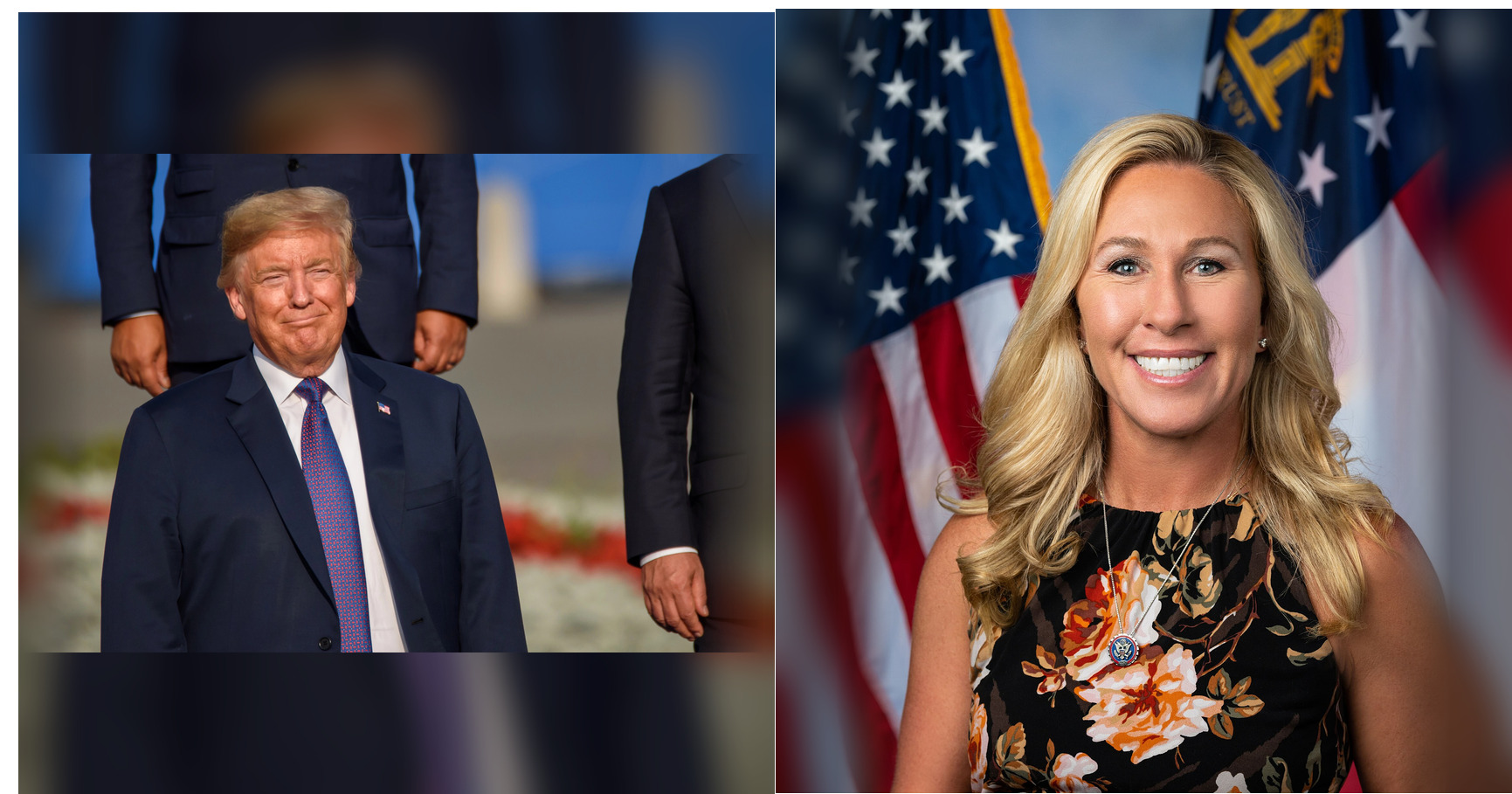
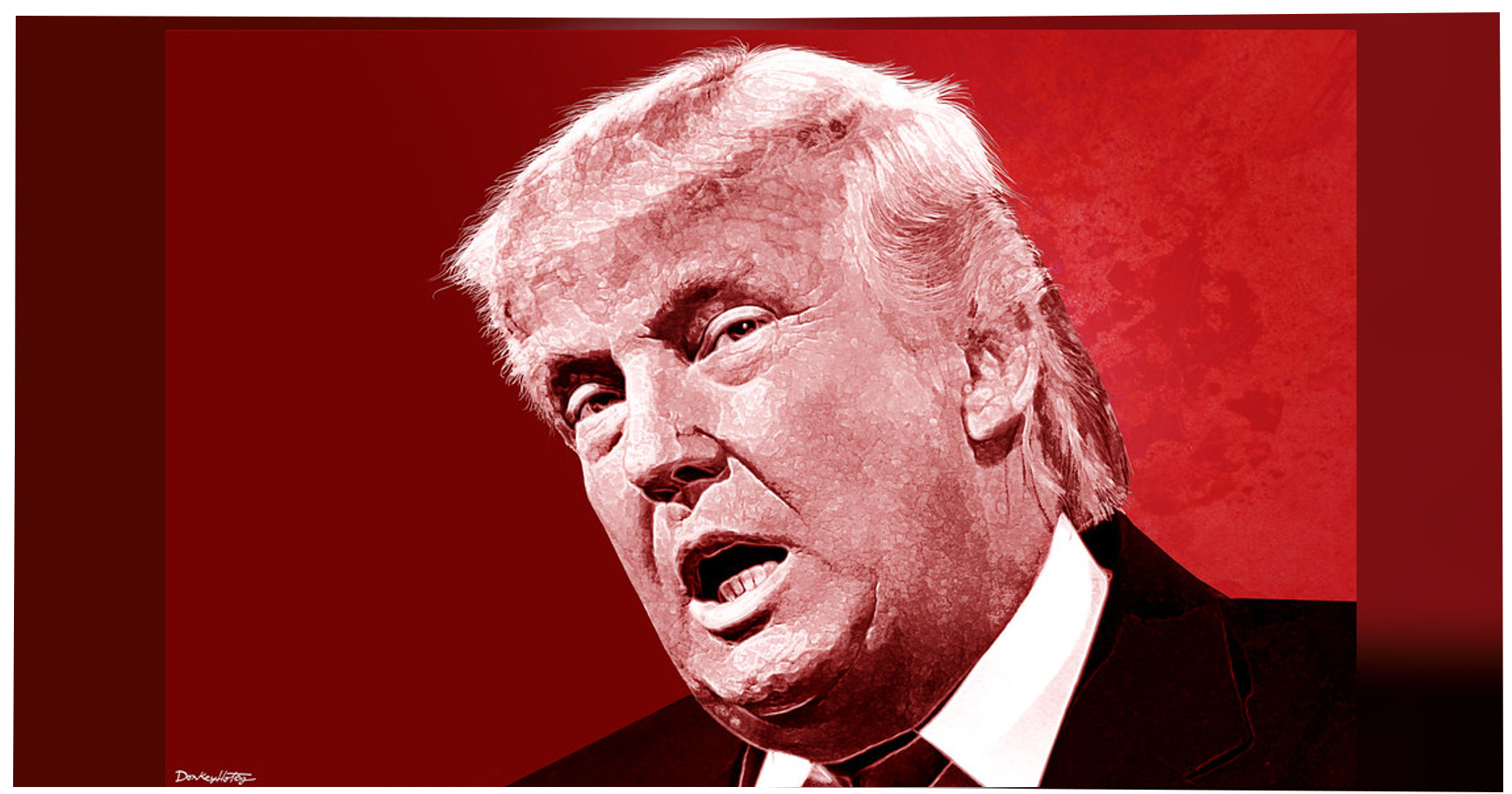
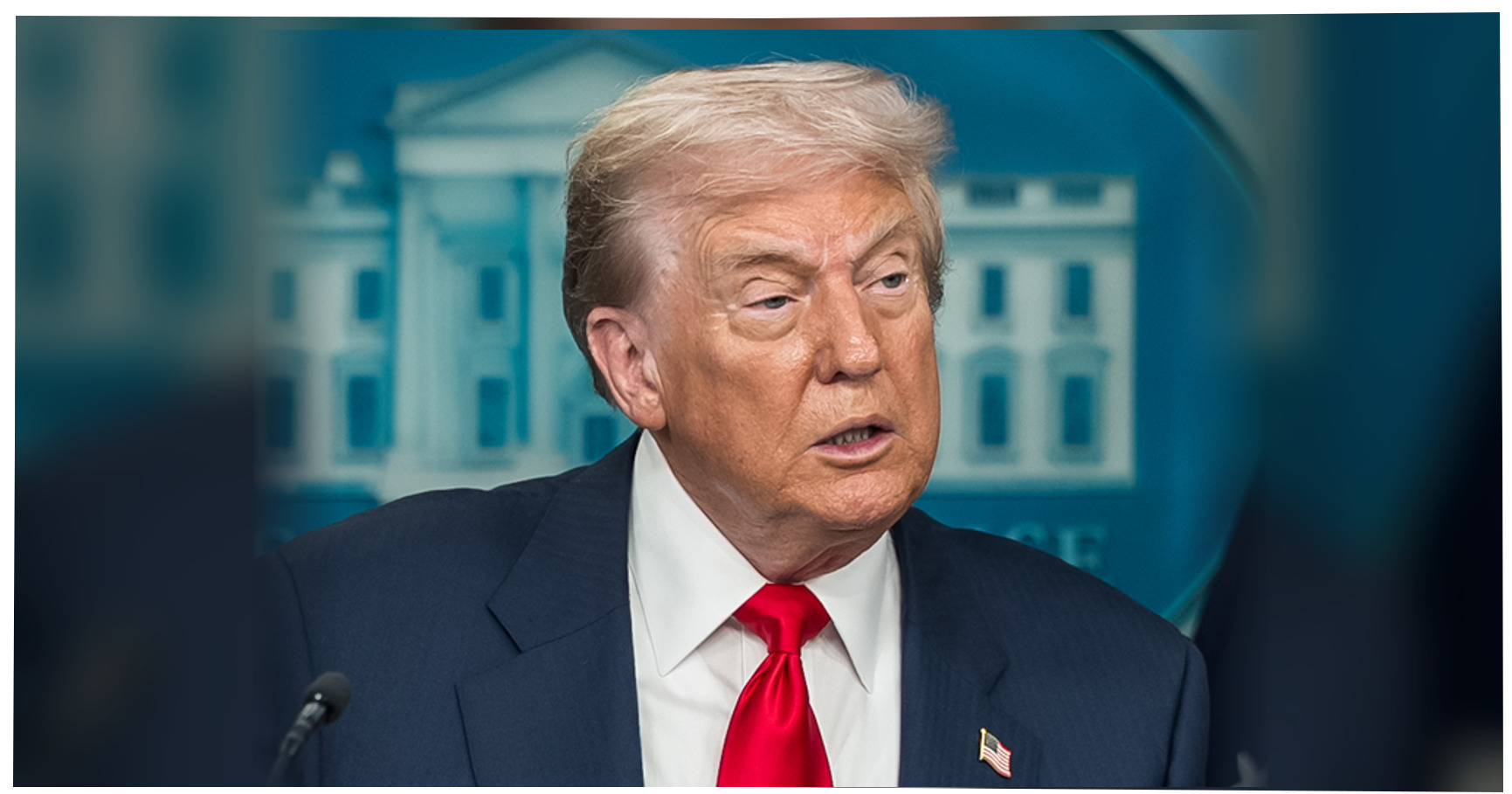
A dispute over Iran is testing one of Donald Trump’s most durable political alliances: the anti-interventionist wing of MAGA. The immediate argument is about military policy, but the larger question is whether Trump can keep competing factions of his coalition together.
Donald Trump’s Iran stance has prompted MAGA and right-wing supporters to accuse him of breaking, or betraying, a core campaign promise to avoid new foreign wars. The backlash, amplified by former Rep. Marjorie Taylor Greene and other prominent conservative voices, has exposed divisions inside Trump’s MAGA coalition at a moment when the administration is weighing what comes next with Iran.
For critics on the populist right, the dispute is bigger than one confrontation abroad. They see Trump’s approach as a test of whether the president still represents the anti-interventionist message that helped bind together a wide—and often uneasy—political movement.
Iran becomes a MAGA fault line
Trump’s political coalition has never been uniform on foreign policy. It includes traditional Republicans who favor projecting US military power, as well as nationalist and libertarian-leaning supporters who are deeply skeptical of overseas intervention.
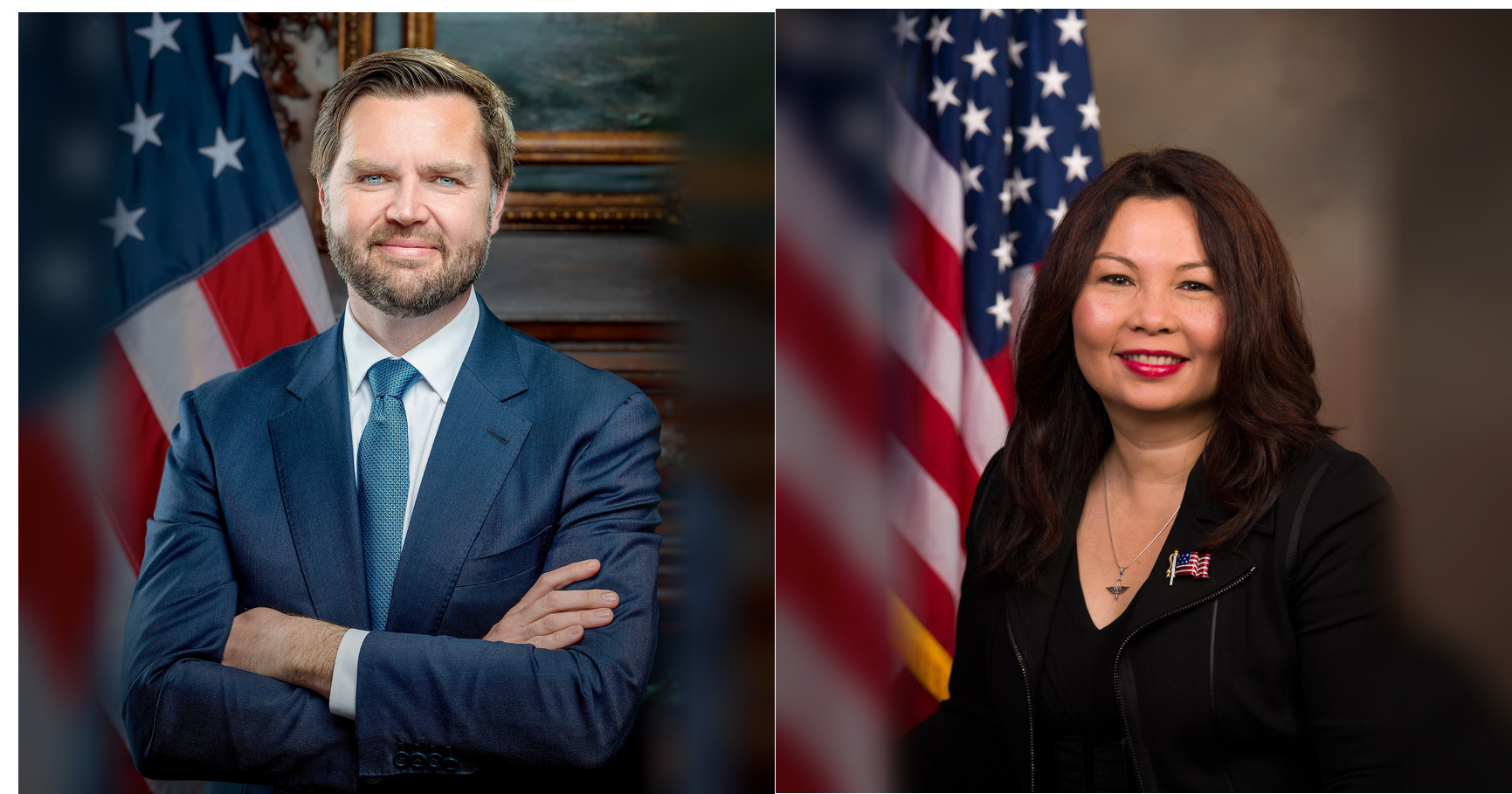
That divide has become more visible amid tensions with Iran. According to the BBC, a tenuous two-week ceasefire was in place while Vice-President JD Vance led a US delegation to Pakistan for face-to-face talks involving the Iranians.
The same BBC report said Trump told the New York Post that the US military was rearming and resupplying in preparation for renewed hostilities if negotiations collapse. For anti-war conservatives, that posture clashes with the restraint they associate with Trump’s campaign message.
Trump supporters who back a tougher approach can make a different case: that deterrence and military readiness are intended to prevent a larger conflict, not invite one. The core disagreement is whether preparing for escalation makes escalation more likely—or makes it less likely.
Greene frames it as betrayal
Marjorie Taylor Greene has been among the most forceful critics. In a post quoted by the BBC, the former Georgia congresswoman wrote that Trump was “waging war against Iran” and called it “a broken campaign promise.”
Greene also framed the dispute as a split between the president and figures who helped build his political coalition. “We never changed,” she wrote. “Trump did.”
Her criticism carries weight within this particular argument because it is not coming from a conventional Democratic opponent or a foreign-policy establishment critic. Greene has long been identified with Trump’s populist base, even though her relationship with him fractured before her January resignation from Congress.
That history also complicates the message. Her opponents can argue that the criticism reflects a personal and political break with Trump, not a broad measure of the president’s standing. Still, her words echo concerns raised by other high-profile right-wing media and activist figures, including Tucker Carlson, Megyn Kelly and Candace Owens.
A coalition built on tension
MAGA is often treated as a single bloc because its members share strong loyalty to Trump and common positions on immigration, cultural issues and distrust of Washington institutions. Yet foreign policy has long been one of its least settled questions.
Trump’s political appeal has included criticism of the Iraq War and promises to resist the kind of open-ended military campaigns associated with earlier administrations. That message attracted voters who felt Republican leaders had spent too much blood and money abroad.
At the same time, Trump has also embraced a forceful view of American power, warning adversaries that the United States will respond to threats against its forces, allies or interests. Those impulses can coexist in broad political rhetoric. They are harder to reconcile when an actual conflict demands choices about troops, weapons and diplomacy.
The Iran argument therefore exposes a structural tension rather than a sudden ideological discovery. One faction wants Trump to use strength sparingly and avoid another prolonged war. Another sees credible military pressure as necessary to protect US interests and to force adversaries toward a deal.
Why the criticism matters now
Internal criticism does not automatically mean Trump has lost his base. Presidents regularly face high-profile dissent, and Trump has repeatedly survived predictions that disagreements would permanently damage his political standing.
But opposition from recognizable movement figures can matter because it gives ordinary supporters permission to question a decision without abandoning every other part of the Trump agenda. It can also shape the terms of debate inside conservative media, where influencers and hosts have a major role in defining what counts as a broken promise.
The stakes rise if the Iran dispute produces a longer military campaign, higher US casualties, or an outcome that requires sustained American involvement. In that scenario, a disagreement now focused on warnings and preparations could become a defining question of trust between Trump and the anti-interventionist right.
There is also a political timeline beyond the immediate crisis. The BBC has reported that jockeying over the post-Trump future of the movement is already under way ahead of the 2028 Republican presidential contest. Foreign policy could help determine which version of MAGA gains the upper hand after Trump leaves office.
Trump still has room to maneuver
Trump is not boxed into a single political outcome. A negotiated arrangement that avoids a wider war could allow him to argue that pressure brought Iran to the table while American force prevented a more dangerous conflict.
Conversely, renewed hostilities could sharpen the criticism from Greene, Carlson and other anti-interventionist voices. The key distinction for many skeptics will be whether the administration can explain a limited objective, a credible exit path and the costs it expects Americans to bear.
Much remains unclear about the negotiations, the status of the ceasefire and the conditions that could lead to renewed fighting. It is also unclear how representative the loudest critics are of the wider MAGA electorate, rather than of a vocal group of movement leaders and media figures.
What is clear is that the phrase “America First” carries competing meanings inside Trump’s coalition. The Iran debate has brought that conflict into the open: one side sees military readiness as necessary protection, while the other sees it as the first step toward the kind of war Trump once promised to avoid.


Leave a Reply