
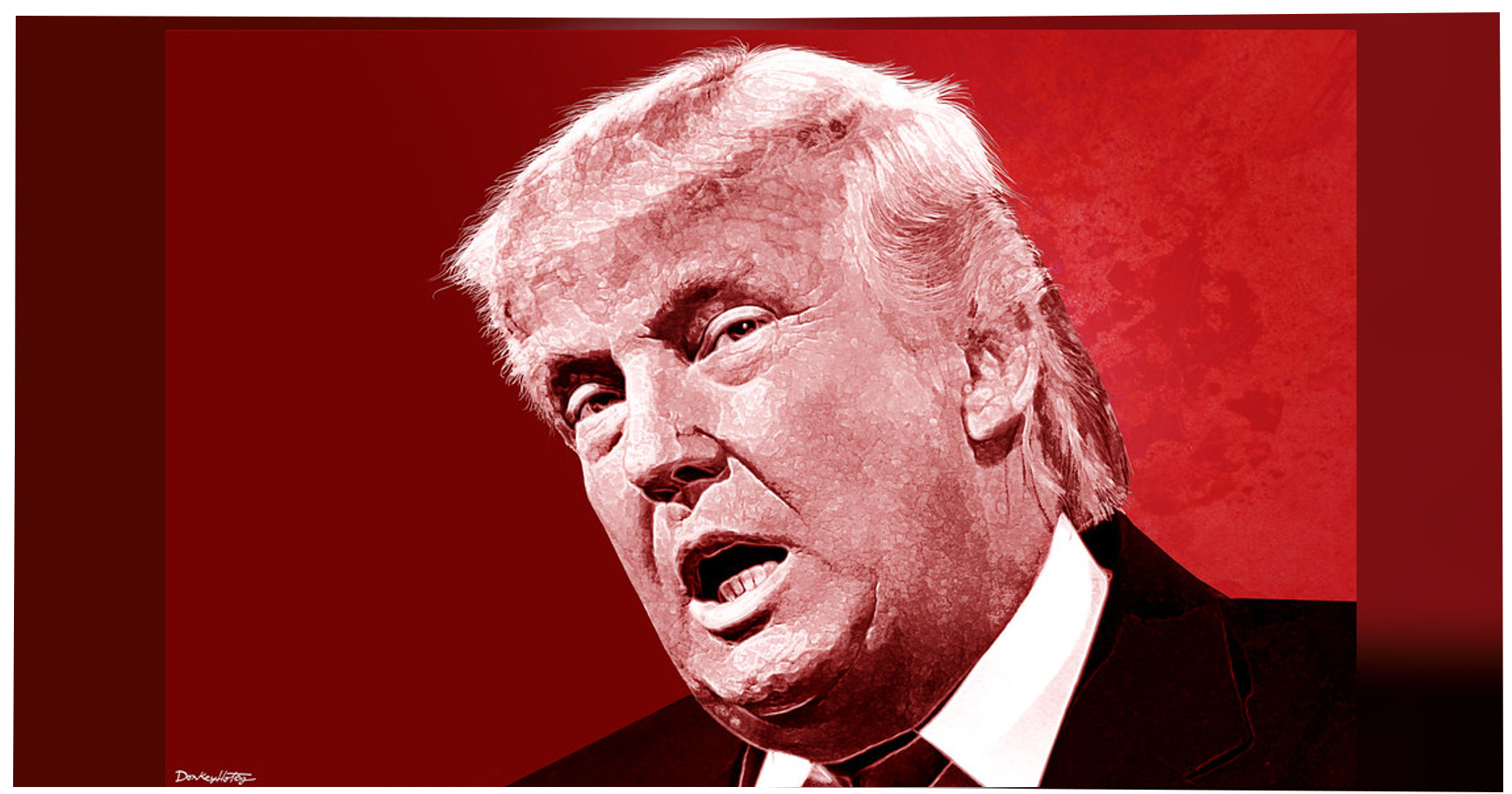
Trump wants to ease record-high beef prices, but his proposed answer has opened a rare divide with Republican lawmakers from cattle-producing states. The fight turns on whether more imported beef would help shoppers without weakening U.S. ranchers.
Donald Trump is pursuing a plan to import more beef from Argentina to lower U.S. beef prices, with the administration preparing to quadruple U.S. beef purchases from Argentina. On Oct. 22, 2025, rural-state Republicans hit back at the idea, warning that relief for shoppers could come at the expense of American ranchers.
The dispute is a rare public break between Trump and members of his own Republican Party. Beef prices are high, but lawmakers from cattle-producing states say importing more meat is the wrong way to address a supply problem rooted in the United States.
Trump’s answer to expensive beef
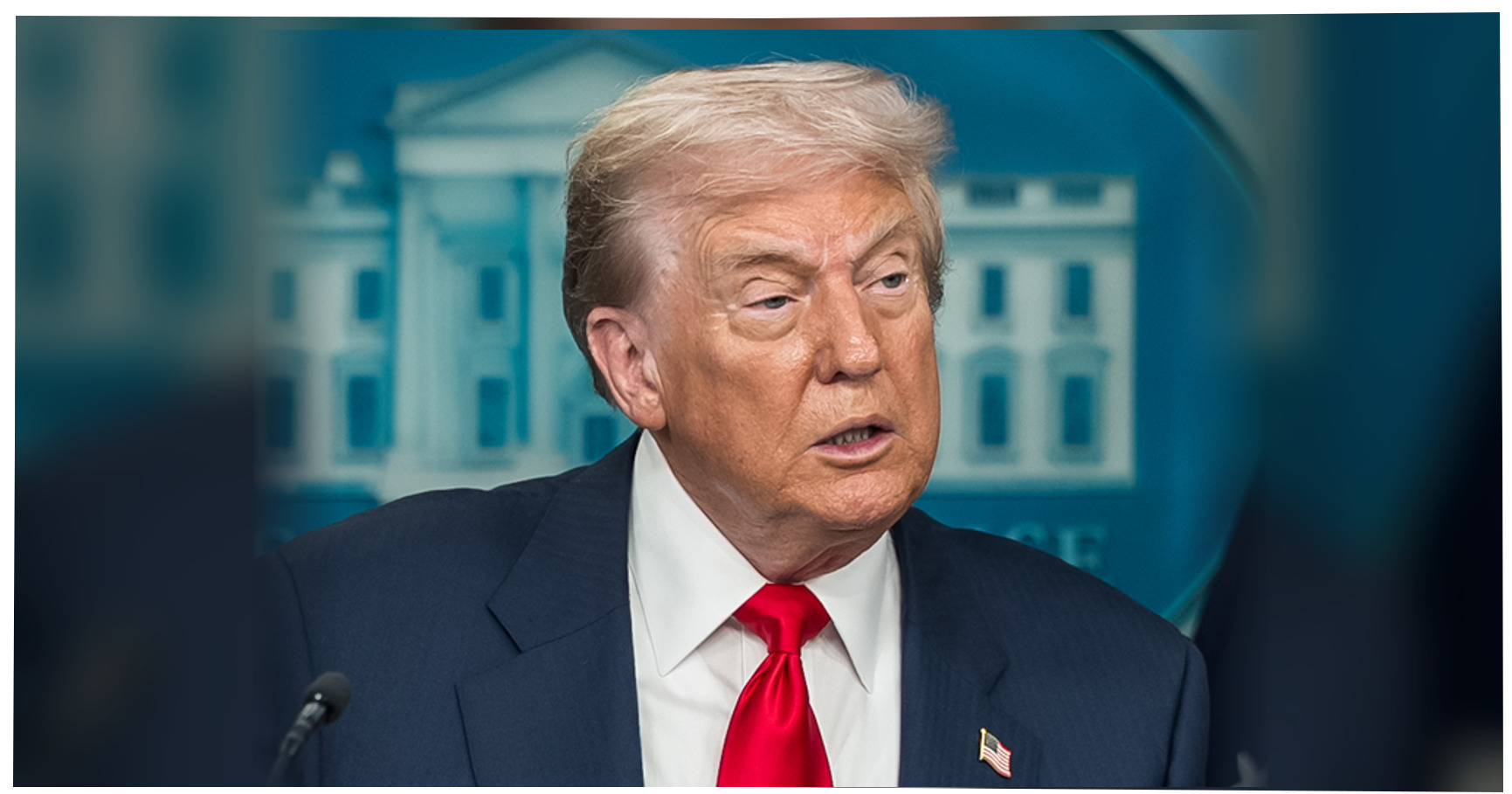
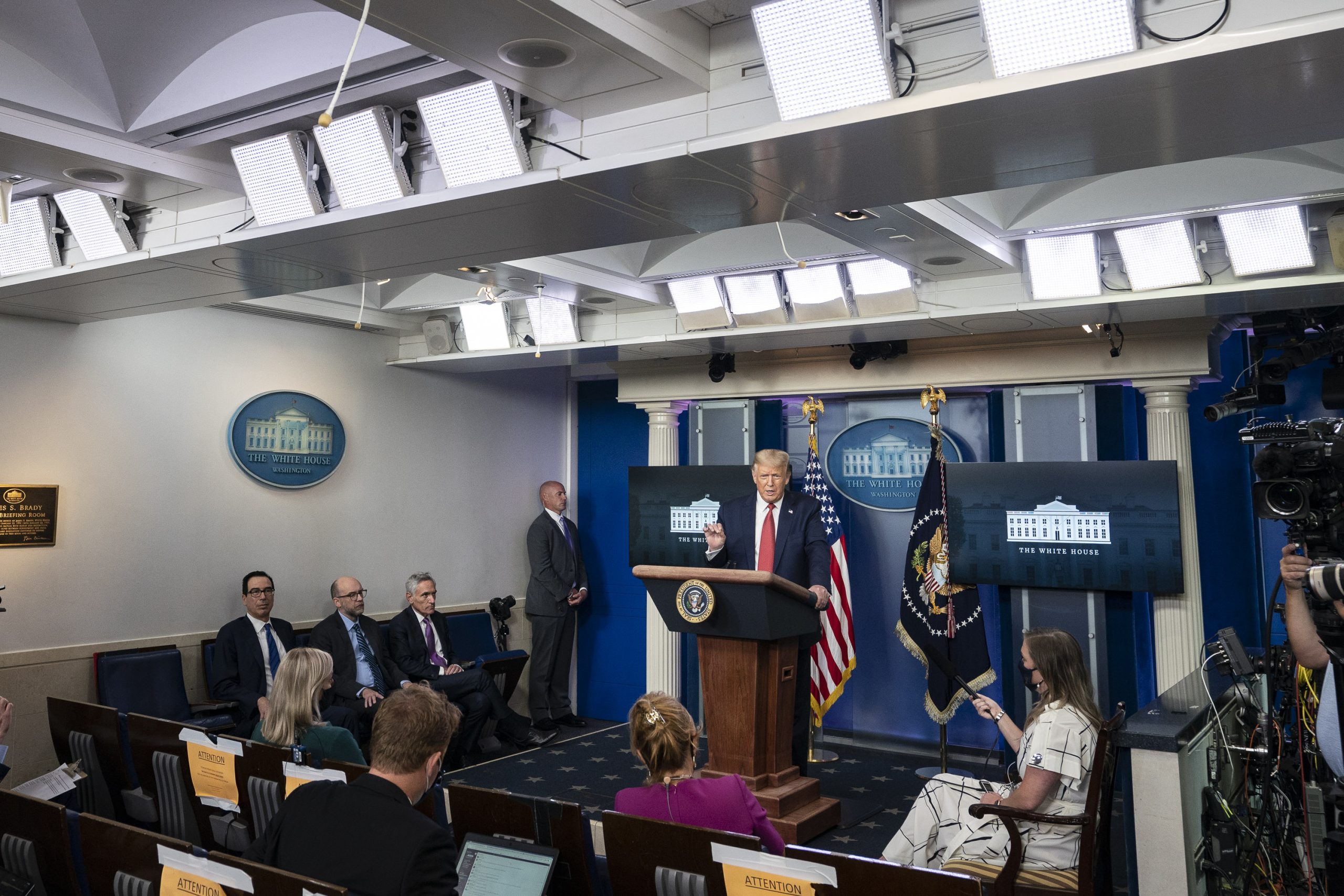
Trump framed the import proposal as a quick response to a grocery-store problem that has become hard for consumers to ignore. Speaking in the Oval Office on Oct. 22, he said beef was the major cost still rising and said his administration would act quickly to bring prices down.
The White House’s immediate goal is straightforward: add supply to a tight market. More imported beef from Argentina could, in theory, give processors and retailers another source of product while U.S. cattle supplies remain constrained.
But that simple consumer-price argument becomes more complicated in ranching country. Cattle producers benefit when cattle prices are strong, while households buying ground beef, steaks and roasts feel the squeeze at the checkout line. A policy designed to help one side of that equation can unsettle the other.
Why rural Republicans object
Republicans from rural states have argued that importing additional beef could put pressure on domestic cattle prices and send the wrong signal to producers who have endured years of difficult conditions. Their concern is not merely about foreign competition; it is about whether Washington is trying to manage prices rather than expand U.S. production.
A group of House Republicans from states including North Dakota and Montana sent a letter on Oct. 21 to Trump and Agriculture Secretary Brooke Rollins expressing concern. Sen. Mike Rounds, a South Dakota Republican, said he discussed the issue with Trump and Rollins at the White House.
Rounds compared beef policy with domestic energy production. His argument was that energy prices have been helped by producing more at home, not by relying on additional overseas supply, and that American beef should be approached in the same way.
Sen. Deb Fischer, the Republican senator from Nebraska, also told USA Today that she had “deep concerns.” Nebraska is one of the country’s major cattle states, so the clash carries immediate economic and political weight there.
Cattle groups see market risk
The ranching industry’s response has been sharper still. Colin Woodall, chief executive of the National Cattlemen’s Beef Association, called on Trump to abandon what he described as an effort to manipulate markets if the president wants to be seen as an ally of cattle producers.
That objection captures why some critics have used especially heated language, including the phrase “worse than socialism,” to characterize government intervention in a market they believe should reward producers responding to demand. The central complaint is that an import push could weaken the price signal that encourages ranchers to rebuild herds.
Ranchers do not produce more cattle overnight. Building a herd takes time, grazing land, feed, water and confidence that the eventual market will support the investment. If producers believe lower prices will be imposed through imports just as they consider expanding, they may be less willing to take that risk.
At the same time, critics of the ranchers’ position can point out that consumers do not experience high prices as an abstract market signal. Families paying more for everyday food may reasonably expect the government to pursue options that increase supply in the near term.
The supply problem behind prices
The political fight is happening against a genuine shortage of cattle. Drought and other pressures have helped shrink the U.S. cattle herd to its smallest level in decades, limiting the amount of beef available even as demand remains strong.
The Agriculture Department reported that the average retail beef price was $9.69 a pound in July 2025. That was roughly $1 higher than a year earlier and $3.60 higher than in 2019, according to USA Today’s reporting.
Those increases are affecting more than household budgets. Some restaurants have shifted attention toward chicken and pork because they worry customers will resist higher beef prices. That makes beef inflation a broader food-business issue, not just a dispute among ranchers and politicians.
Imports might modestly increase available supply, but their effect on retail prices is uncertain. Imported beef is only one piece of a chain that includes cattle prices, processing capacity, transportation, wholesale contracts and retailer pricing decisions. The administration has not publicly detailed how much of any lower cost would reach shoppers or how quickly.
Not every Republican agrees
The GOP response is not unanimous. Sen. Roger Marshall of Kansas told USA Today that Americans would not feel the effect even if Argentine beef imports increased to 10 times their current level. He said there would still be substantial demand for American beef.
That view rests on the idea that Argentine imports are too small relative to the vast U.S. beef market to significantly damage domestic producers. It also gives the White House room to argue that helping consumers and protecting ranchers do not have to be mutually exclusive goals.
The disagreement reveals two competing judgments rather than a simple split over whether beef should be affordable. One camp fears that even a limited import policy could undercut a fragile domestic recovery. The other sees additional supply as a practical tool that may have little impact on the long-term appetite for U.S.-raised beef.
What the administration is doing next
As criticism mounted, federal agencies announced actions intended to support the American beef industry, including efforts to speed deregulation and encourage new ranchers. Rollins said the administration was protecting the industry while seeking to incentivize people to enter ranching.
That dual approach appears designed to answer both sides of the conflict: lower prices in the short term while claiming to strengthen domestic production over time. The unresolved question is whether the ranching community will view those measures as meaningful protection if beef purchases from Argentina rise substantially.
For now, the outcome is not a settled policy victory for either side. Trump has made clear he wants beef prices down, while rural Republicans are pressing him to reconsider the import route. The argument will likely remain politically sensitive as long as consumers see expensive beef and ranchers worry that a federal response could reshape their market.





Leave a Reply