

Iran gives Trump a stage for hard-power messaging and deal talk. It also revives the unresolved split between supporters who want toughness and those who backed him to avoid another Middle East conflict.
Donald Trump can make Iran sound simple: apply pressure, force concessions, declare victory. Politically, it rarely stays that clean.
The renewed attention on Trump’s Iran posture has revived one of the most stubborn tensions in his foreign policy: a leader who campaigns against endless wars, while also promising to look tougher than anyone else toward Tehran.
A deal pitch with baggage
The latest Washington Post framing of the story, which surfaced widely through MSN, casts Trump as reopening the Iran fight and the political problem attached to it. Separate White House video pages have highlighted Trump signing an Iran memorandum of understanding in France and discussing an Iran deal around a G7 summit setting.
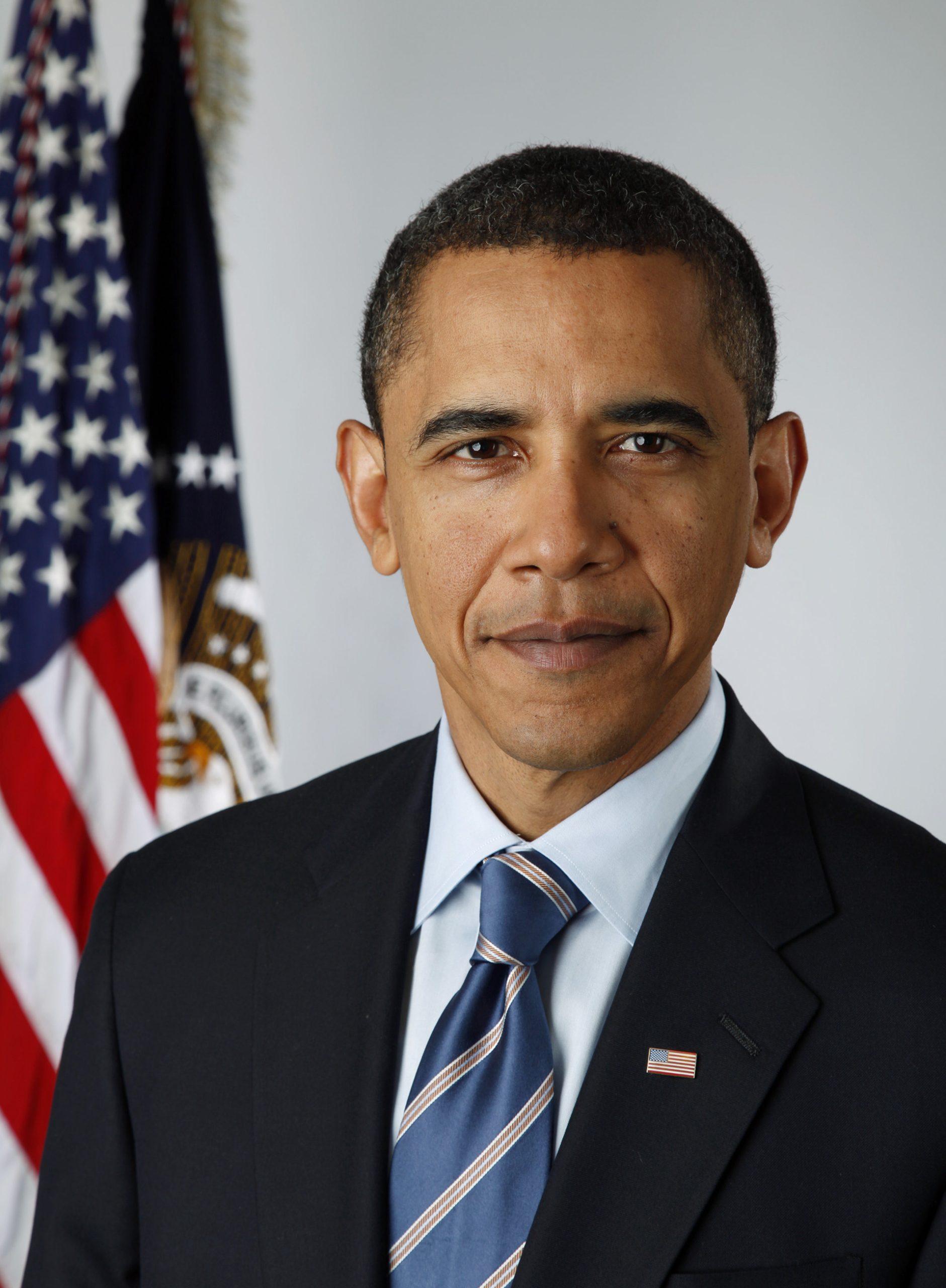
That official packaging is familiar. The message is meant to show command: Trump at the table, Trump cutting the deal, Trump bending a hostile power toward American terms.
But Iran is not a normal campaign prop. It brings nuclear questions, sanctions, regional conflict, oil-market nerves, U.S. troops, allies, and a long history of failed assumptions. Any move toward confrontation can alarm anti-war voters. Any move toward an agreement can anger hawks who believe Tehran cannot be trusted.
The split inside Trumpworld
Trump’s political problem is not only with Democrats or foreign-policy critics. It is inside the coalition that helped build his brand.
One side of that coalition wants maximum pressure. For those voters and officials, Iran is a hostile regime that responds only to strength. They tend to view diplomacy skeptically unless it comes with hard limits, strict enforcement and obvious humiliation for Tehran.
Another side hears the word Iran and thinks of the wars Trump promised not to repeat. These supporters backed his attacks on the old Republican establishment. They liked his criticism of nation-building, open-ended deployments and the idea that Washington should police every crisis in the Middle East.
That leaves Trump trying to occupy two positions at once: the anti-war outsider and the president who never blinks. Iran is where those roles collide.
His record cuts both ways
Trump’s first-term Iran record gives both camps material to use. He withdrew the United States from the Obama-era nuclear agreement in 2018, arguing it was too weak and did not address the broader threat from Tehran. He imposed a maximum-pressure sanctions campaign designed to squeeze Iran economically.
He also authorized the 2020 strike that killed Iranian military commander Qasem Soleimani, a move praised by supporters as decisive and condemned by critics as a dangerous escalation. The aftermath included Iranian missile strikes on bases housing U.S. forces in Iraq, underscoring how quickly Iran policy can move from rhetoric to real-world risk.
At the same time, Trump repeatedly presented himself as a president who did not want new wars. That was central to his contrast with the Bush-era GOP and with interventionist Democrats. He liked the language of overwhelming force, but he also liked telling voters he had kept America out of fresh large-scale conflicts.
That is the unresolved contradiction. His Iran record is both hawkish enough to satisfy many hard-liners and combustible enough to worry voters who thought they were choosing restraint.
Iran rarely offers clean wins
The reason this issue keeps returning is that Iran does not fit neatly into campaign slogans. U.S. presidents have to weigh several pressures at once: nuclear limits, sanctions relief, regional militias, Israeli and Gulf Arab security concerns, shipping lanes, detained Americans, energy prices and the risk to U.S. personnel.
A tough posture can reassure allies and signal deterrence. It can also raise the chance of miscalculation. A deal can reduce one danger while creating another political headache if critics say the terms are weak or unverifiable.
That is why the details matter more than the photo op. If Trump is promoting a new memorandum, framework or deal, the core questions are practical: What does Iran give up? What does the United States give up? Who verifies compliance? What happens if Tehran violates the terms? Are sanctions lifted, paused or merely discussed?
Without those answers, both sides of the Republican divide can project their hopes and fears onto the same headline.
Democrats see an opening
For Democrats, Iran gives Trump critics a way to challenge both his judgment and his consistency. If he escalates, they can argue he is gambling with another Middle East conflict. If he negotiates, they can accuse him of dressing up a deal as strength after years of attacking diplomacy.
That attack line is not automatically enough. Trump’s supporters often see his unpredictability as leverage, not weakness. They may accept a deal from him that they would have rejected from a Democrat because they trust his posture toward Tehran.
Still, the politics are dangerous because Iran compresses foreign policy into a simple voter question: does this make America safer, or does it drag the country closer to another war? Trump has spent years trying to own both answers.
The more visible the Iran issue becomes, the harder it is for him to keep that balance vague.
What could break the balance
The next phase will depend less on broad declarations and more on specifics. Watch for whether the White House releases concrete terms, whether congressional Republicans line up behind the approach, and whether conservative media treats the Iran move as strength or softness.
Also watch the reaction from Iran and from U.S. allies. A deal that Tehran celebrates too loudly can become a political problem in Washington. A deal that allies distrust can create pressure for tougher follow-up. A confrontation that rattles markets or endangers U.S. troops can quickly overwhelm the message discipline around it.
The cleanest political outcome for Trump would be a visible concession from Iran without a costly escalation. The hardest outcome would be a gray-zone standoff: enough tension to scare anti-war voters, not enough results to satisfy hawks.
That is why Iran remains such a revealing test for Trump. It is not just about whether he can sound tough or stage a deal. It is about whether he can keep together a movement that wants strength, restraint and victory all at the same time.





Leave a Reply