
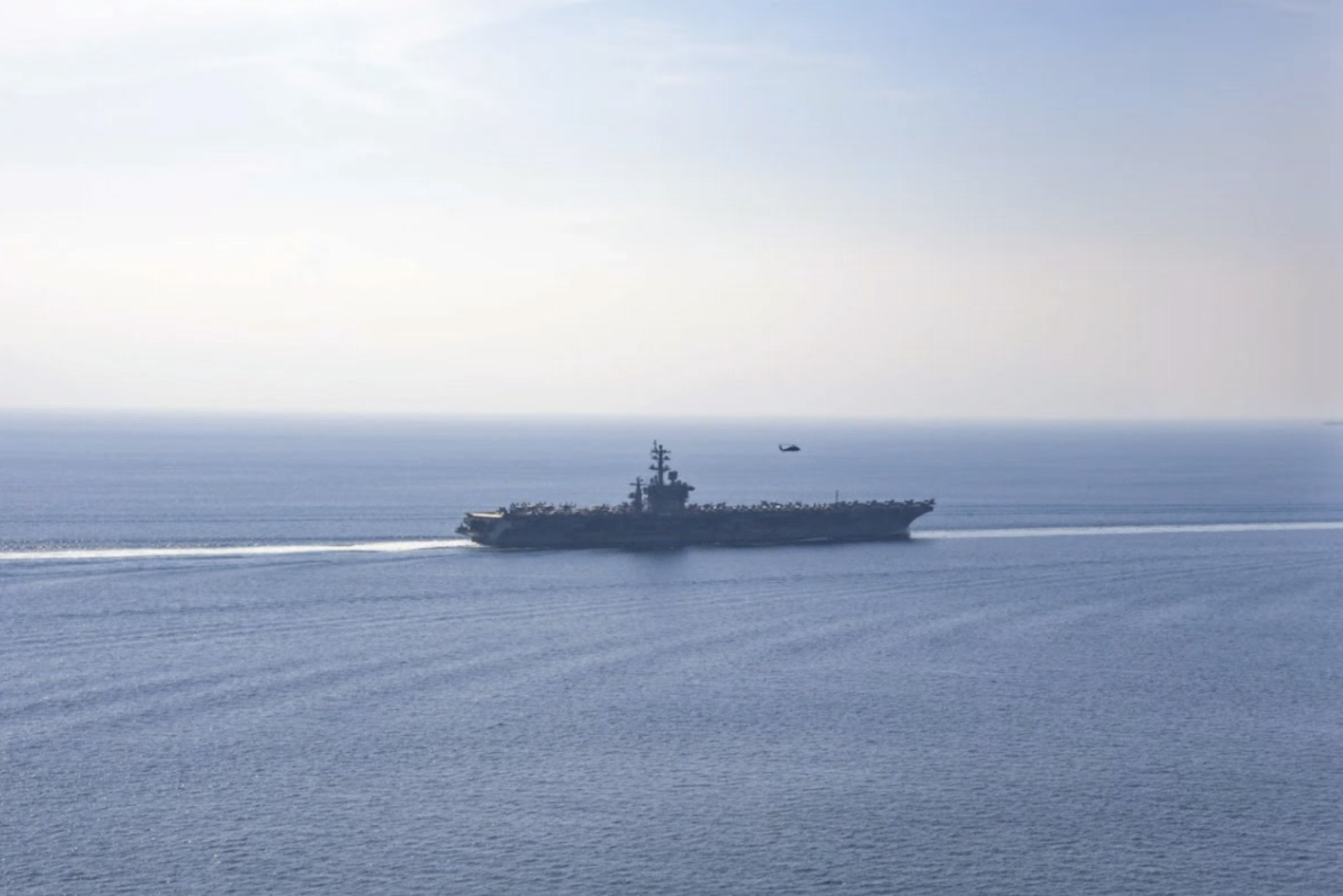
The Strait of Hormuz is a narrow passage with global consequences. A proposed U.S. toll would mark a sharp escalation after recent strikes and a fragile interim deal with Iran.
President Donald Trump’s new claim over the Strait of Hormuz landed like a warning shot across one of the world’s most sensitive shipping lanes.
According to the Associated Press, Trump said Monday that the United States is “reinstating” a blockade on Iran in the strait and will charge other ships a 20% toll for safe passage. The announcement escalates a rapidly widening confrontation with Iran and immediately raises a blunt question: can Washington charge ships to cross an international strait?
A blockade with a price tag
The Strait of Hormuz is not just a line on a map. It is a narrow maritime corridor between Iran and Oman that links the Persian Gulf to the Gulf of Oman and the wider Indian Ocean. When tensions rise there, governments, shipping companies and energy traders pay attention fast.
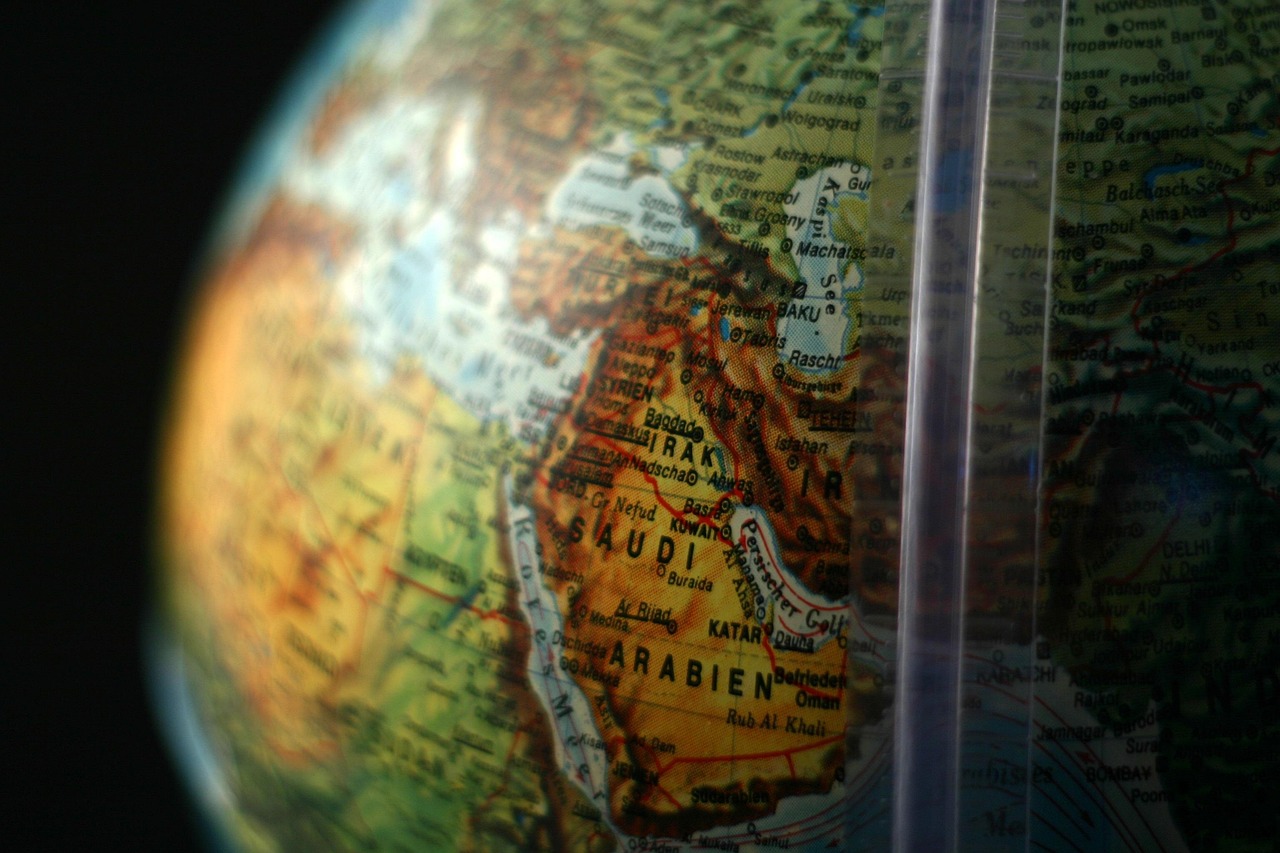
AP reported that Trump framed the move as a reinstated blockade on Iran after recent attacks in and around the waterway. The proposed toll would apply to other ships seeking “safe passage,” according to the report.
The 20% figure is striking because tolls are not how international straits used for navigation are typically treated. The U.S. position for years has centered on keeping key sea lanes open, especially in places where military conflict could quickly spill into global trade.
The announcement also appears to move the U.S. from policing freedom of navigation toward monetizing passage through a contested zone. That shift is why the legal and diplomatic reaction matters almost as much as the military one.
The legal pushback came fast
The International Maritime Organization, the United Nations agency focused on maritime safety and security, did not endorse the idea. In a statement cited by AP, the IMO said it was waiting to learn more about Trump’s proposal but emphasized that its position on strait tolls has not changed.
“IMO stands firmly against charging fees for passage through straits used for international navigation,” the organization said, according to AP. It added that there is “no legal basis” for mandatory tolls simply to transit through a strait.
That language matters. It suggests the dispute would not be limited to Iran or U.S. domestic politics. Shipping through Hormuz involves tankers, commercial vessels, insurers, flag states and ports around the world.
If the U.S. attempted to enforce a toll, it could invite challenges from governments that otherwise support pressure on Tehran but resist any precedent that makes international waterways subject to unilateral fees.
Washington had argued the opposite
The timing is awkward for the Trump administration because Secretary of State Marco Rubio had recently argued against tolls in the same waterway. AP reported that Rubio told reporters in Bahrain on June 25 that the U.S. would not support Iran charging ships to pass through the Strait of Hormuz.
“That’s international waterway,” Rubio said then, according to AP. “There isn’t a nation on Earth that supports having to pay money to go through the Straits.”
Rubio also said Gulf countries had “zero support” for fees or charges on the use of international waters. His remarks were directed at Iran, but they now hang over Trump’s own proposal.
That contradiction gives critics an easy opening: if Iran cannot charge for passage through Hormuz because it is an international waterway, why can the United States? The administration has not yet publicly laid out a detailed legal rationale in the AP account.
The deal with Iran is fraying
Trump’s announcement follows several days of attacks that have thrown a recent interim agreement into doubt. AP reported that the U.S. launched waves of heavy strikes into Monday morning, hitting about 140 targets in Iran after an Iranian attack on a container ship in the strait.
Iran retaliated by targeting countries across the Middle East, according to the AP account. That broadens the risk beyond a U.S.-Iran confrontation and raises the possibility of more regional actors being pulled into the crisis.
The interim deal reached last month had called for the strait to be fully reopened. AP reported that the U.S. had lifted a blockade from mid-April as part of that agreement.
Until now, the U.S. had also said the strait should remain open to all without tolls, which AP described as the prewar condition. Trump’s statement signals that the administration may now view control of passage through Hormuz as leverage rather than a shared international principle.
Why Hormuz rattles markets
Hormuz is a chokepoint in the literal sense: a narrow passage that concentrates a huge amount of strategic risk. Even rumors of disruption can ripple through oil prices, shipping costs and insurance rates.
A toll proposal adds another layer of uncertainty. Ship owners would have to ask who is collecting the fee, who guarantees safe passage, what happens if a vessel refuses to pay, and whether other navies recognize the arrangement.
Those questions matter because commercial shipping runs on predictability. A tanker operator can price fuel, crew and insurance. It is much harder to price a moving military confrontation paired with a disputed toll regime.
There is also a precedent problem. If one power can impose a fee on a strategic strait during a crisis, rivals may try to justify similar moves elsewhere. That is exactly the kind of slippery precedent maritime organizations usually try to avoid.
The next move is unclear
The U.S. military said its latest wave of strikes targeting Iran was over, AP reported, while insisting Tehran does not control the Strait of Hormuz. That statement appears designed to counter Iran’s leverage over the waterway, but it does not answer how a U.S. toll would be enforced.
The key questions now are practical. Will the White House issue a formal order? Will the Pentagon escort ships? Will allied navies participate, object or stay silent? Will shipping firms comply to avoid risk, even if the legal basis is contested?
There is also the diplomatic question of whether Gulf governments, European allies and Asian energy importers will accept a U.S.-run fee system in a waterway they rely on. Rubio’s earlier comments suggest at least some regional leaders were opposed to tolls when the idea was associated with Iran.
For now, Trump has turned Hormuz into more than a military flashpoint. He has made it a test of who gets to define an open sea lane during a war scare — and whether the world’s busiest strategic waterways can suddenly come with a price tag.




Leave a Reply