
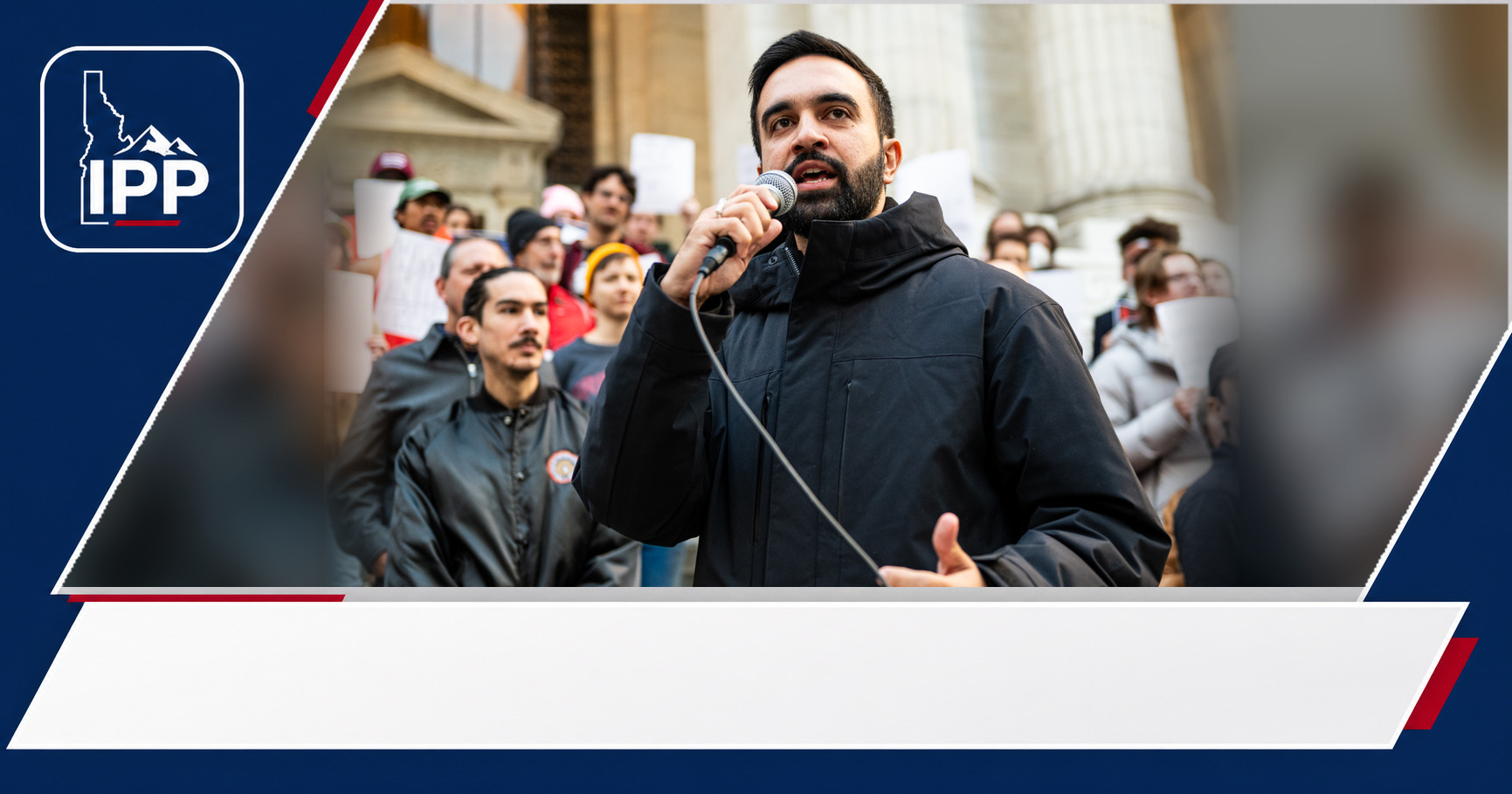
The petition puts a painful question in front of organizers: whether the mayor’s official role should outweigh objections from victims’ relatives at one of the country’s most solemn public ceremonies.
9/11 families are petitioning to bar Mamdani from the 25th anniversary commemoration at Ground Zero in New York, a campaign organizers say has drawn about 1,100 signatures, including roughly 300 relatives of victims. The fight is now over the dispute over who should attend the 9/11 anniversary event: victims’ relatives pushing organizers not to allow Mamdani to attend, and civic leaders who may view the New York mayor’s presence as part of the office, not a personal honor.
The families’ objection is not procedural; it is symbolic. They argue Mamdani’s public record and past remarks have made him an unacceptable figure at a ceremony built around the dead, survivors and relatives, especially as the milestone anniversary approaches.
A petition aimed at organizers
The petition seeks to exclude New York Mayor Zohran Mamdani from the 25th anniversary observance of the September 11 attacks, an event expected to draw intense national attention because of the milestone date.
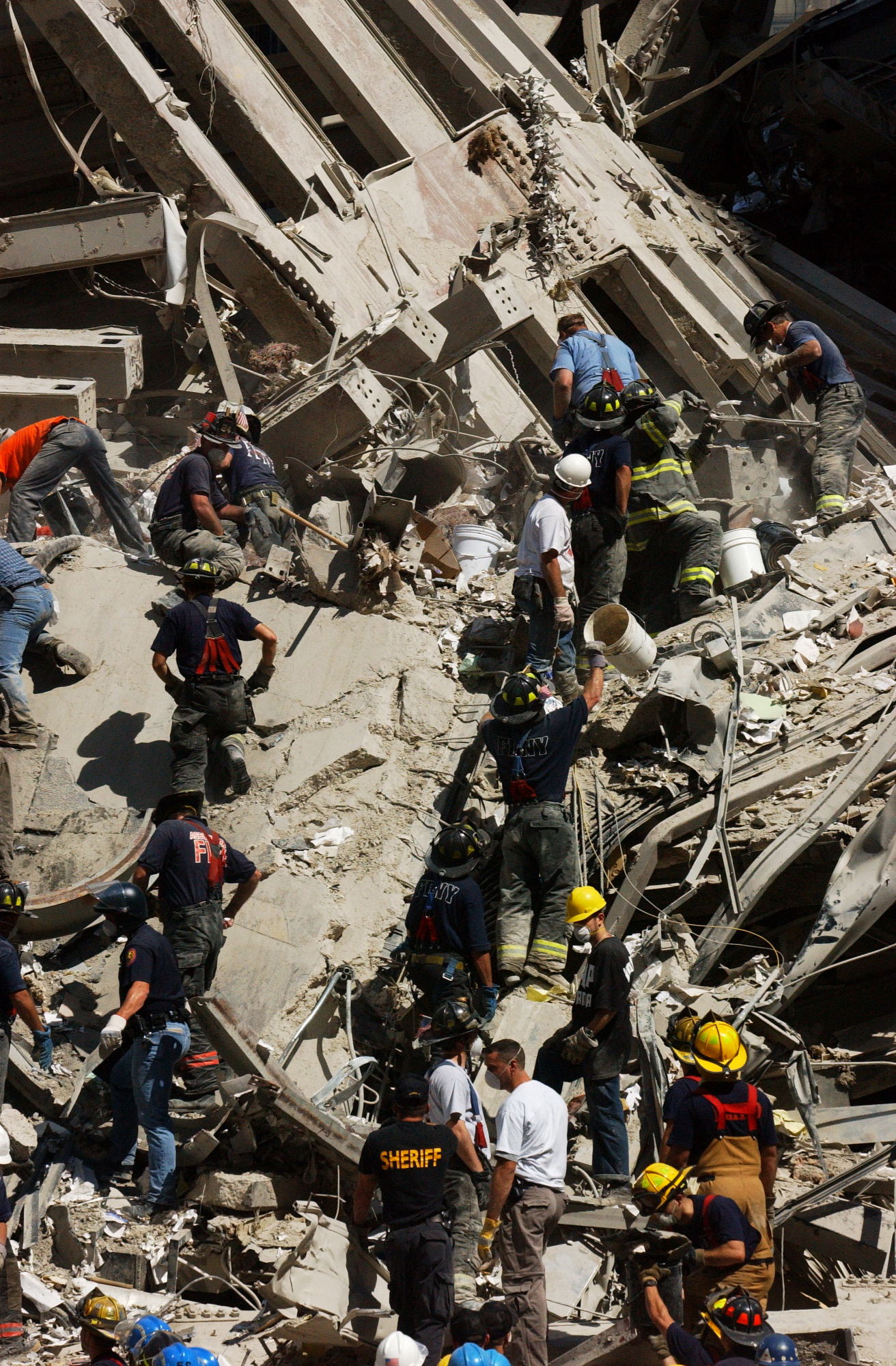
According to the petition effort, more than 1,100 people have signed, with organizers saying the list includes about 300 relatives of those killed. The request is directed at those responsible for the commemoration, not at voters or a court.
That distinction matters. This is not a legal effort to remove Mamdani from office or block him from public space. It is an appeal to the people who shape the ceremony’s guest list and tone.
The demand is blunt: the families want organizers to keep Mamdani away from the memorial event because they believe his attendance would distract from the purpose of the day.
Why some families object
The petitioners’ case rests on the idea that the 9/11 commemoration is different from an ordinary civic event. To them, the ceremony belongs first to the victims, survivors and families, not to politicians seeking visibility at Ground Zero.
Supporters of the petition say Mamdani’s public positions and past comments have left some relatives feeling that his presence would be painful rather than unifying. Their argument is not only about disagreement with an elected official; it is about whether a person they view as divisive should be placed inside a ceremony centered on mourning.
That is why the number of relatives attached to the petition is politically significant. A general petition can be dismissed as partisan noise. A petition backed by victims’ relatives is harder for organizers to ignore, even when not all families agree.
Still, the petition does not speak for every person affected by 9/11. Families of victims have never been a single political bloc, and the anniversary has often exposed differences over war, civil liberties, foreign policy, policing, religion and the meaning of public remembrance.
Mamdani’s office changes the stakes
Mamdani is not just another invited guest. Reuters reported in April that New York Mayor Zohran Mamdani was set to participate in a 9/11 memorial wreath-laying ceremony with Britain’s King Charles during a royal visit, underscoring how the mayor’s role can put him at the center of memorial diplomacy and civic ritual.
That is the core tension in the current fight. New York mayors have traditionally been visible at major city commemorations, especially those tied to the World Trade Center attacks. The office carries a public duty to represent the city during moments of grief.
For opponents, that official role does not settle the question. They argue the 25th anniversary is too emotionally charged to treat attendance as automatic, particularly if a significant group of relatives believes the mayor’s presence would overshadow the names, the silence and the remembrance.
For others, barring a sitting mayor could create its own political spectacle. It could turn a ceremony meant to honor nearly 3,000 people killed on September 11, 2001, into a public referendum on one official.
Ground Zero is not neutral ground
The annual 9/11 commemoration at Ground Zero has a formal rhythm: names are read, bells toll, moments of silence mark the times when planes struck and towers fell. The National September 11 Memorial & Museum has long emphasized the central role of victims’ relatives in that remembrance.
That structure is designed to keep the focus on the people who died, not on speeches. Political figures have attended for years, but the moral weight of the day is carried by families reading names aloud.
The 25th anniversary will make every decision more visible. Milestone commemorations tend to draw more officials, more press, more security and more symbolic gestures. That can deepen the sense of national remembrance, but it can also make families more protective of the ceremony’s boundaries.
Ground Zero is also one of the most politically charged spaces in the country. It is a burial ground, a tourist destination, a security symbol, a reconstruction story and a site where elected officials routinely appear. Those overlapping meanings are what make attendance fights so combustible.
The competing claims are clear
The petitioners are making a claim of moral authority. Their position is that those who lost relatives should have a powerful voice in deciding who is welcome at a ceremony built around their loss.
Mamdani’s defenders, or those uneasy with excluding him, can make a different claim: the mayor represents New York as an institution, not merely as an individual politician. From that view, keeping him away could set a precedent where memorial attendance is decided by political approval.
Both sides can argue they are trying to protect the ceremony from politicization. The petitioners say Mamdani’s presence would politicize the day. Critics of the petition may say the exclusion demand is itself a political act.
That is why the organizers’ eventual response matters. If they allow Mamdani to attend, they risk angering some relatives. If they keep him out, they risk turning the anniversary into a story about a mayor being rejected from the city’s most solemn public ritual.
What remains unresolved
As of now, the key question is whether organizers will act on the petition or treat it as one part of a broader planning process. The petition’s signature count gives the campaign visibility, but it does not automatically decide access to the commemoration.
It is also unclear whether Mamdani would adjust his role, attend quietly, issue a statement, meet privately with families or push back against the exclusion effort. Any of those choices would carry political and emotional consequences.
The larger issue will outlast this petition. The 25th anniversary of 9/11 will force New York to balance private grief with public ceremony, and personal loss with official representation.
For victims’ relatives, the day is not symbolic in the abstract. It is tied to names, faces and empty seats that have been present for a quarter-century. That is why a guest-list dispute can become something much bigger: a fight over who gets to define respect at Ground Zero.






Leave a Reply