
The ruling did not decide any claim against Donald Trump. It showed why demands for more Epstein files can collide with the strict secrecy rules around federal grand juries.
A Florida federal judge has narrowed the Trump administration’s effort to release more Jeffrey Epstein material, refusing to unseal grand jury records from investigations in 2005 and 2007.
U.S. District Judge Robin Rosenberg in West Palm Beach ruled on July 23, 2025, that the Justice Department’s request did not fit the extraordinary exceptions under federal law that can allow grand jury material to become public.
The decision leaves the older Florida transcripts sealed, even as the administration faces political pressure from people demanding more disclosure about Epstein’s cases and associates.
What the Florida judge rejected
The Justice Department asked Rosenberg to unseal transcripts from grand jury proceedings connected to Epstein investigations years before his later federal sex-trafficking case in New York.
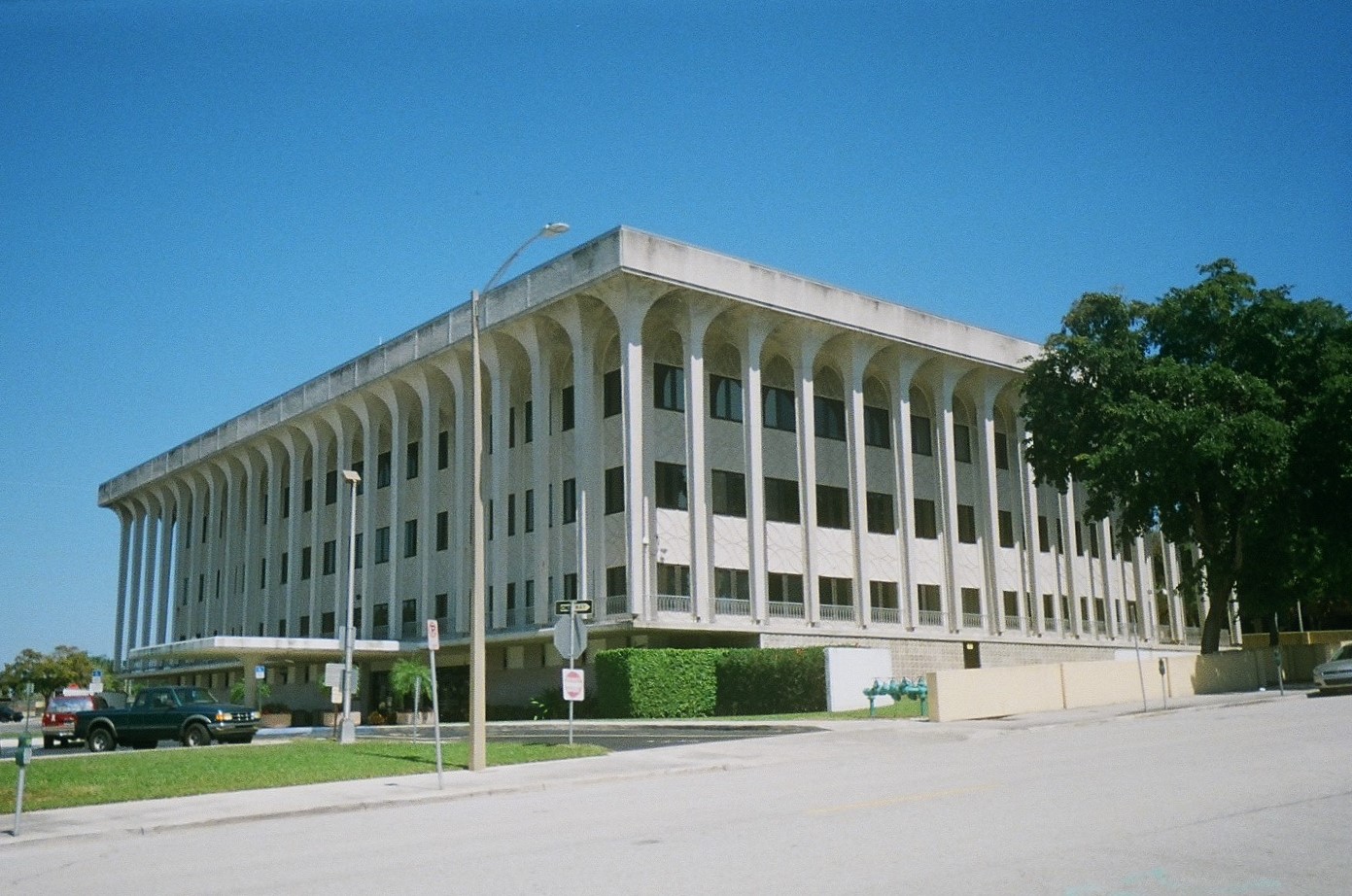
Rosenberg denied the Florida request. Her ruling covered records from 2005 and 2007, a period tied to the Florida investigation that preceded Epstein’s 2008 deal with federal prosecutors.
Under that 2008 arrangement, Epstein avoided more severe federal charges and instead pleaded guilty to state charges of procuring a person under 18 for prostitution and solicitation of prostitution.
The Florida ruling did not decide whether Epstein’s past treatment was proper, and it did not resolve any allegation involving Trump. It answered a narrower question: whether these grand jury materials could legally be opened now.
Why grand jury secrecy mattered
Federal grand juries hear evidence in secret and decide whether prosecutors have enough support for an indictment. Their transcripts are not treated like ordinary public court filings.
That secrecy is designed to protect witnesses, uncharged people and the integrity of investigations. Judges can authorize disclosure only in limited circumstances.
Rosenberg found that the Justice Department had not met the legal standard for those exceptions in the Florida matter. In practical terms, the administration’s transparency argument was not enough to override the confidentiality rule.
That distinction is central to the ruling. A president or Justice Department can ask for sealed records to be released, but a court still has to apply the law governing grand jury proceedings.
The political pressure behind the request
The Justice Department made the request after anger grew among some Trump supporters who believed there had been a conspiracy to protect Epstein’s clients, conceal videos of crimes and withhold other evidence.
Deputy Attorney General Todd Blanche asked judges in Florida and New York to unseal transcripts from grand jury proceedings that produced indictments against Epstein and former girlfriend Ghislaine Maxwell. He said “transparency to the American public is of the utmost importance to this Administration.”
At the time of the Florida ruling, a similar request involving a different grand jury was pending in New York, according to the Associated Press.
The Florida decision therefore left the administration with a visible limit: it could seek disclosure, but it could not guarantee that courts would open every set of records sought by the public or by prosecutors.
What the ruling does not prove
The Florida order does not establish criminal wrongdoing by Trump, and it does not adjudicate claims against him. The pressure surrounding the ruling is political, not a finding by the court about Trump’s conduct.
The Justice Department had already said on July 7 that its review found no Epstein “client list” and that no further disclosure was appropriate or warranted. That position frustrated some supporters who expected a broader release of files.
In February, far-right influencers were invited to the White House and given binders labeled “The Epstein Files: Phase 1” and “Declassified.” Much of that material had already been public, adding to skepticism about what new information the administration could produce.
Legal experts have also cautioned that grand jury transcripts may not contain the full universe of investigative evidence. Prosecutors often present enough material to support an indictment, not every detail gathered in an investigation.
Congress keeps pressing for files
The court fight is unfolding alongside congressional scrutiny. A House Oversight subcommittee voted to subpoena the Justice Department for Epstein-related files.
The full committee also subpoenaed Maxwell to testify before committee officials in August. Maxwell was convicted in 2021 for her role in Epstein’s abuse of underage girls.
Sen. Adam Schiff, a California Democrat, called for Attorney General Pam Bondi and FBI Director Kash Patel to appear before the Senate Judiciary Committee.
Congress can demand documents and explanations, but it still faces limits involving law-enforcement interests, victim privacy and grand jury secrecy. A subpoena does not automatically erase a court-controlled confidentiality rule.
The immediate effect is narrow
The Florida ruling leaves the 2005 and 2007 grand jury transcripts sealed. It also underscores that the Epstein records debate is now partly about legal access, not simply political will.
For the Trump administration, the decision complicates any promise of sweeping disclosure. Courts, not campaign messaging or public pressure, decide whether particular grand jury records can be opened.
For critics and supporters alike, the ruling leaves the larger controversy unresolved. It does not answer every question about Epstein’s cases, and it does not foreclose every other records request.
Its immediate significance is more limited but still important: one federal judge refused to open older Florida grand jury material, showing that the push for Epstein files can run into hard legal boundaries.

Leave a Reply