
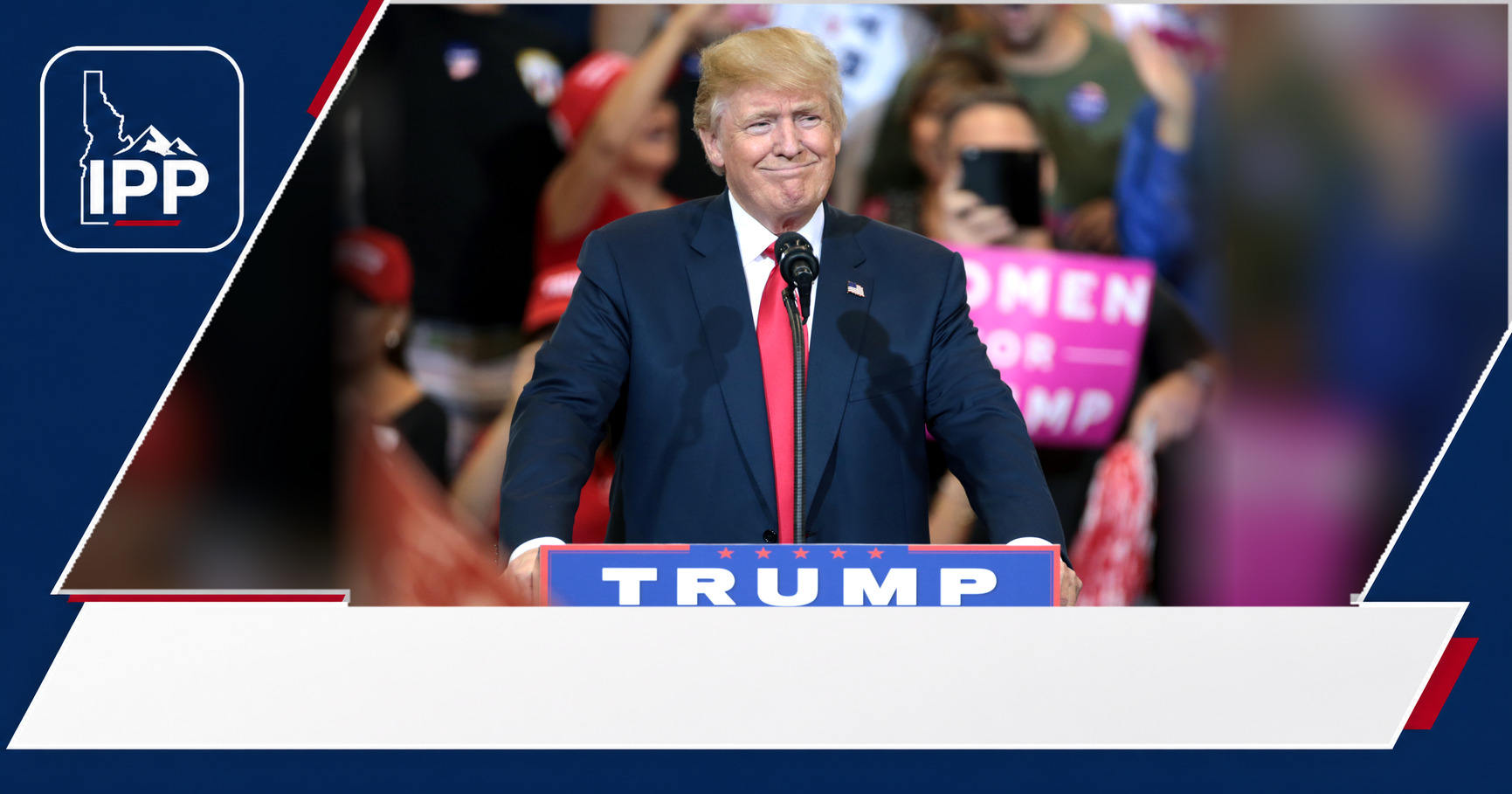
The emerging Republican tension is not just over policy. It is over who owns the outcome if the party’s narrow congressional majorities are at risk.
Donald Trump is already casting responsibility elsewhere for possible Republican midterm losses, according to HuffPost’s framing of the political fight. That blame-focused storyline is landing as House Republican leaders try to make a different case to voters: that the party is focused on affordability, tax policy and energy.
Reporting from the Associated Press points to a party trying to manage two problems at once. Republicans must defend narrow congressional majorities while also deciding whether Trump’s preferred midterm emphasis on voting rules should drive the campaign conversation.
The accountability fight is starting early
A Republican setback has not happened, and a “wipeout” remains political language rather than an established outcome. But the argument over responsibility is already taking shape.
HuffPost framed Trump as blaming others rather than himself for the prospect of losses. The AP, meanwhile, reported on a clear difference in emphasis between Trump’s message and the one House GOP leaders are promoting as they prepare for the midterms.
That distinction matters because it affects what Republicans can credibly say they are running on. If the campaign becomes centered on Trump’s voting proposal, House Republicans’ affordability pitch may compete for attention inside their own party.
Trump wants voting rules at the center
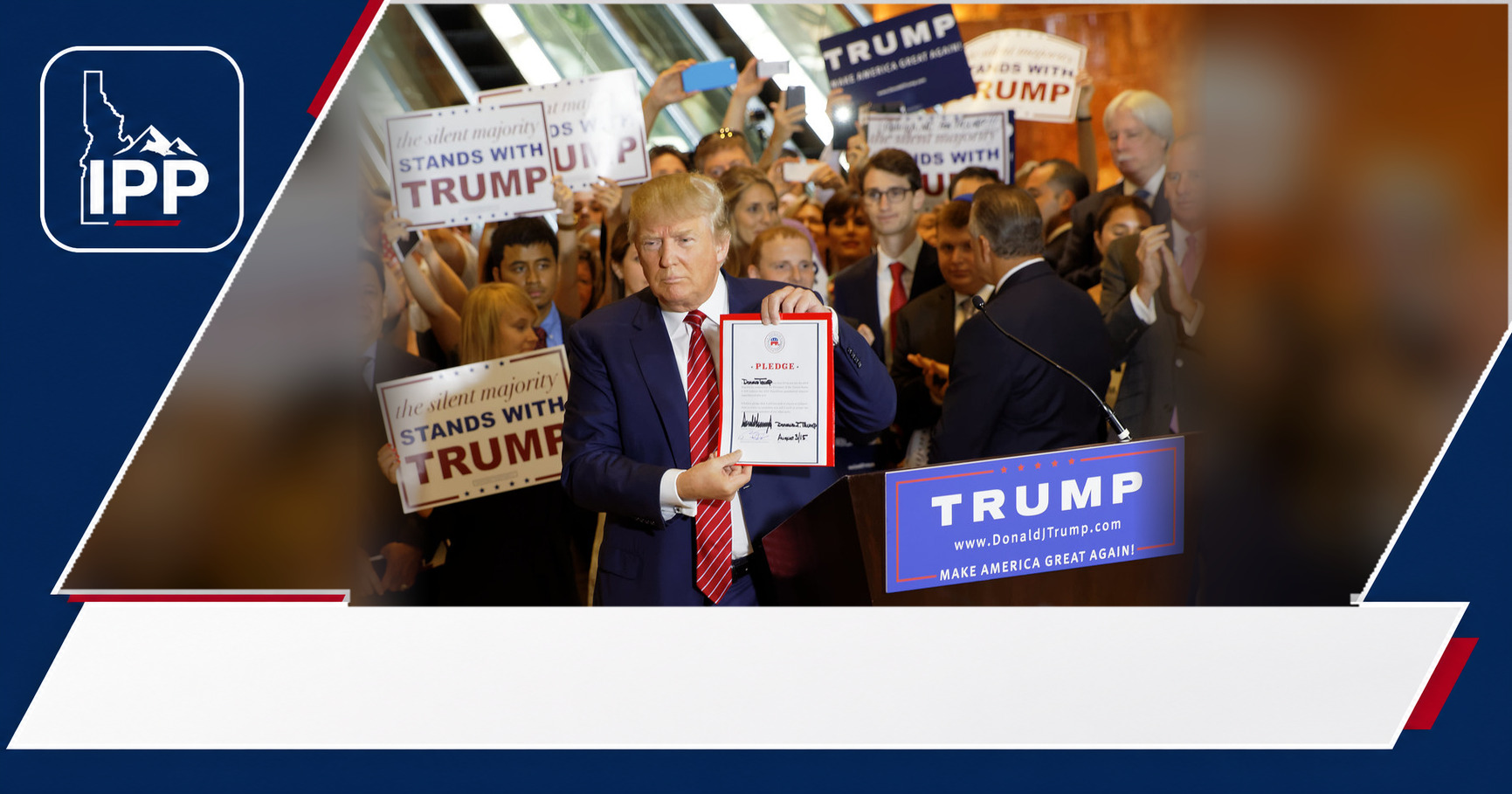
At a Republican gathering at his golf club near Miami, Trump argued that a tougher national voting bill was the answer for Republicans worried about Congress, according to the AP. He called for banning mail ballots and adding restrictions affecting transgender rights.
The proposal has been referred to by Trump as the SAVE America Act, after he rebranded the SAVE Act. The AP reported that Trump said the measure would “guarantee the midterms.”
The voting legislation is connected to Trump’s continuing false claim that he won the 2020 election. Courts repeatedly rejected challenges to that election’s outcome, and Trump’s attorney general at the time said there was no evidence of fraud sufficient to change the result.
That background gives the proposal two very different political readings. Supporters can present it as an election-administration measure. Critics can argue it is rooted in claims that failed in court.
House leaders are trying to sell pocketbook results
House Republican leaders have been emphasizing economic issues instead. Rep. Lisa McClain of Michigan highlighted tax cuts, energy independence and Trump accounts for newborns. House Majority Leader Steve Scalise of Louisiana stressed efforts to make life more affordable for working families.
An AP-NORC poll from December helps explain why that message has appeal inside the party. About one-third of Americans named inflation or personal finances among the issues they wanted the government to address, while very few named voting laws or election security.
Republicans do not have to discuss only one subject. Still, candidates defending a small House majority have limited time to define what their party has done and what it wants to do next.
Trump has at times expressed frustration that lawmakers and voters discuss housing and other domestic concerns instead of his voting proposal, according to the AP. House leaders, by contrast, have repeatedly returned to cost-of-living themes.
The bill faces political and procedural limits
Even if Republicans embrace Trump’s voting push, passing the legislation is not straightforward. The House previously approved a version of the measure, but Trump’s requested changes would require more House action.
The Senate presents another obstacle. Senate Republicans would have difficulty advancing the measure without Democratic support, according to the AP’s reporting on the legislative hurdles.
Trump also threatened not to sign other legislation until the voting bill passes, the AP reported. If carried out, that position could affect Congress’ ability to move other major business while House Republicans are trying to show voters they can govern.
House Speaker Mike Johnson has denied a divide with the White House, saying he and Trump are aligned. That denial does not change the visible difference between the issues Trump is elevating and the affordability message House leaders are trying to project.
What the reporting does — and does not — show
The available reporting supports a narrower conclusion than saying Trump alone will determine the midterms. It shows a Republican messaging conflict, a difficult legislative path for Trump’s voting proposal and an early fight over blame if the party performs poorly.
It does not establish a single cause for any future Republican losses. Control of Congress has not been decided, and the political environment can change before voters cast ballots.
Johnson has tried to put pressure on Democrats by blaming them for problems tied to a Department of Homeland Security shutdown, including longer security lines at some airports, according to the AP. That gives Republicans another line of attack as they try to shift attention toward governing disputes and away from internal disagreements.
For now, the GOP’s midterm challenge is partly strategic and partly reputational. Trump is pressing a voting-law message while House leaders talk about affordability. If Republicans lose ground, the fight over which message carried the most responsibility may become as intense as the campaign itself.




Leave a Reply