

The fight is not just about one commission. It is about whether the rules, prosecutors and watchdogs around federal elections stay insulated as the 2026 midterms approach.
Donald Trump’s latest clash with election oversight has landed exactly where his critics feared it would: in the middle of the 2026 midterm conversation.
A Newsweek report on the reported ouster tied to the federal Election Commission sparked fresh alarm among Democrats and voting-rights advocates, with criticism branding the move “brazen.” The bigger question now is not only who sits on an election watchdog, but whether the guardrails around federal elections are being weakened before voters head back to the polls.
A watchdog fight turns political
The Federal Election Commission is not the agency that counts ballots on election night. States and local election officials run elections, certify results and manage polling operations.

But the FEC still matters. It is the federal body responsible for enforcing campaign finance law, overseeing disclosure rules and policing the money that floods congressional and presidential races. Its independence is the point.
That is why a move seen as removing or sidelining election-oversight officials lands differently in an election year. It is not just a Washington personnel story. It touches the machinery that tells voters who is funding campaigns, how political money is reported and whether campaign-law violations are pursued.
The timing makes the fight sharper. The 2026 midterms will decide control of Congress, shape Trump’s second-term agenda and test whether institutions strained by years of election-fraud claims can still command public trust.
Why Democrats are sounding alarms
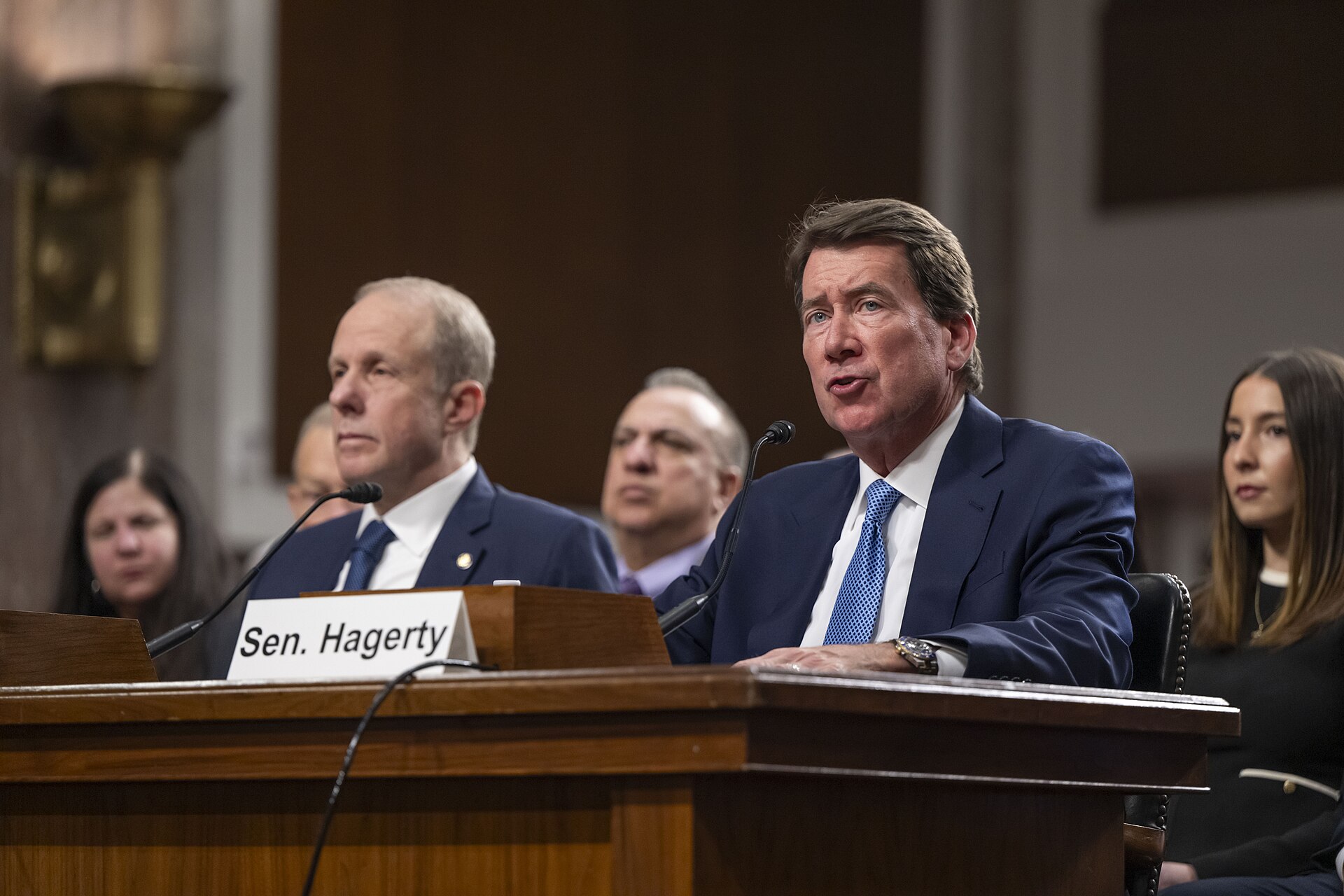
Democratic senators have been warning for weeks that the administration’s election-related decisions could open the door to political interference before the midterms.
In June, Sen. Maria Cantwell’s office said she and more than 20 Senate colleagues demanded answers from the Justice Department over the removal of the most recent version of the Federal Prosecution of Election Offenses manual from DOJ’s website. The senators said the guidance had long been publicly available under both Democratic and Republican administrations.
The concern, according to the senators’ letter described by Cantwell’s office, is that the manual contained limits meant to keep federal prosecutors from disrupting elections while they are underway. One cited example: prior guidance said prosecutors should not seize voting materials until after an election had been certified.
The senators argued that removing that guidance without explanation raises questions about whether prosecutors could be used more aggressively in election disputes. The Justice Department’s rationale, any revisions and who may have influenced them remain key unanswered questions.
The commission is only one piece
The anxiety around the reported Election Commission ouster is being amplified by a wider pattern of election-policy fights.
A House Democratic staff report on federal regulatory agencies referenced litigation challenging a Trump administration executive order involving independent agencies, including concerns tied to the Federal Election Commission. The report reflects a broader Democratic argument: that independent watchdogs are being pulled closer to White House control.
That claim is fiercely contested in Washington, where presidents often argue they have authority to supervise executive-branch agencies. But independent commissions are designed to be different from ordinary departments. Their structure is supposed to limit direct partisan control, especially in areas where public trust depends on neutrality.
Election oversight sits at the center of that tension. If voters believe referees are being selected or removed for political reasons, even technical agency changes can become trust crises.
What the FEC actually does
To understand the stakes, it helps to separate campaign oversight from election administration.
The FEC’s own materials describe its role in federal elections, including compiling official federal election results and administering campaign finance rules. It does not run polling places or decide who wins a state’s electoral votes. That authority largely remains with states.
Its power is still substantial in another way: money. The FEC handles rules around political committees, donations, expenditures, reporting and enforcement. In close midterm races, those rules shape what voters can see about the financial forces behind candidates and outside groups.
When the FEC is gridlocked, under pressure or perceived as partisan, enforcement can slow and confidence can erode. When it is stable and credible, campaigns at least know the referee is not supposed to be taking orders from the teams.
The midterm stakes are bigger
The 2026 elections are likely to be fought under intense legal and political scrutiny. Control of the House and Senate will determine whether Trump’s agenda accelerates or runs into congressional resistance.
That makes election rules, voter-roll lawsuits, DOJ guidance and campaign-finance enforcement more than procedural issues. They become weapons in the political argument over whether the election system is fair.
Cantwell’s office said the senators also raised concerns about voter-roll lawsuits and unsupported claims about noncitizens on voter rolls. Their letter argued that such claims have often been refuted or traced to bureaucratic errors rather than intentional fraud.
The administration and its allies have framed election-integrity efforts as necessary safeguards. Critics see a different risk: that aggressive federal action, especially close to voting, could chill voters, pressure state officials or create grounds for post-election challenges.
What remains unclear now
Several crucial facts still need public answers.
- Legal authority: What power is the administration claiming to remove or replace election-oversight officials?
- Agency independence: Will courts treat the move as a valid exercise of presidential authority or an unlawful breach of an independent commission?
- DOJ guidance: Why was the election-prosecution manual removed, and will a revised version change rules around election-period investigations?
- Midterm impact: Will these fights affect actual election administration, or mainly public trust and litigation strategy?
Those answers matter because election confidence is built before Election Day. Once voters suspect the rules are being changed for partisan advantage, it is hard to repair trust after the fact.
For now, the reported Election Commission shake-up has become a symbol of a much larger fight: whether federal election watchdogs and prosecutors will operate at arm’s length from politics, or become another battlefield in the midterms.






Leave a Reply