

The pitch is simple: cheaper gas under a patriotic brand. The unanswered question is harder: who is absorbing the cost, and why has so little been disclosed?
Cheap gas is powerful politics, especially when drivers are watching every number spin at the pump.
That is why President Donald Trump’s promotion of “Freedom Fuel” stations has drawn attention far beyond the Philadelphia area. The brand promises lower prices at a moment when fuel costs remain a national pressure point. But the most important details — who is behind the network, how the discounts are being funded and whether every listed station is operating as advertised — remain murky.
A discount with political value
Trump first promoted the idea of a “Freedom Fuel” network last week, describing a retailer in the Northeast as “stepping up” to offer cheaper gasoline. The White House later pointed to the opening of a first location and said the network would include 25 stations in New Jersey and Pennsylvania, according to Forbes.
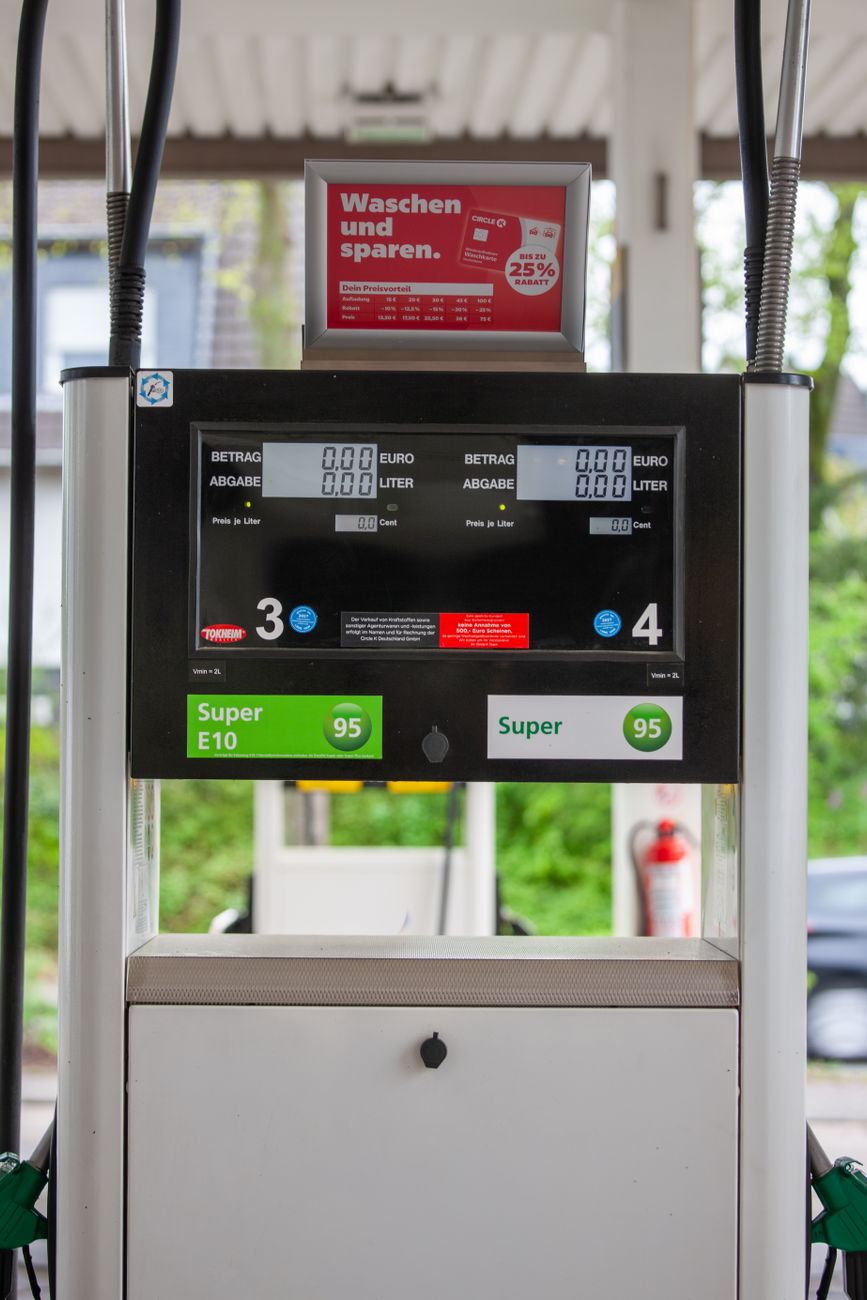
The branding is unmistakable. “Freedom Fuel” ties a commodity price to a political message, and the first advertised price — $3.47 per gallon — appears designed to echo Trump’s status as the 47th president.
That number also mattered because it was below the local average cited by Forbes. The outlet reported that the average gallon in Philadelphia was $3.95 on Tuesday, while the promoted station’s price was $3.47.
For drivers, the difference is simple: a fill-up could cost noticeably less. For observers, the question is less simple: how can a small network sell fuel below local averages without someone giving up money somewhere?
The owner is still unnamed
The White House has told multiple outlets the network is being run by a private company, not by the Trump administration. It has also said that the company privately owns 25 gas stations across New Jersey and Pennsylvania, according to Forbes.
But the company’s name has not been publicly identified in the reporting available so far. Forbes reported that a White House spokesperson did not identify the business behind the Freedom Fuel Network when asked by CBS News.
That matters because ownership is not a technical footnote. If a private company is using political branding around a presidential message, the public has a legitimate interest in knowing who stands to benefit, how the promotion is structured and whether any government resources or relationships are involved.
CNN reported that it had not been able to confirm that all Freedom Fuel stations were open. CNN also reported that it remained unclear who was running the discount stations.
The math invites scrutiny
The White House has attributed the lower prices to reduced profit margins, according to Forbes. In plain English, that means the operator would be choosing to make less money on each gallon, at least for some period of time.
That explanation is possible. Gas stations can use fuel discounts to draw traffic, sell convenience-store items or generate attention in a crowded market. But sustained below-market pricing usually has a cost.
Patrick De Haan, head of petroleum analysis at GasBuddy, told Quartz that the promoted price point was not realistic without some form of subsidy. “Generally, when losses happen, somebody’s got to pay for it,” he said, according to Forbes’ summary of the interview.
That does not prove wrongdoing. It does mean the public-facing slogan leaves out the business model. If the discount is temporary marketing, that is one thing. If it is being supported by an undisclosed entity, that is another. If stations are merely rebranded existing locations with short-term pricing, that is another story again.
A station, not a new build
The first highlighted location was not built from scratch. The Philadelphia Inquirer reported that the site had been converted from a Sunoco station in Dresher, Pennsylvania, according to Forbes.
That detail cuts through some of the launch-day theater. This is not necessarily a new fuel infrastructure project. At least in that case, it appears to be a rebranding or conversion of an existing station.
There is nothing unusual about gas stations changing brands. Stations often operate under different retail names, supply arrangements and ownership structures. But in this case, the lack of a clearly identified operator makes those ordinary industry questions more politically charged.
Forbes also reported that a spokesperson confirmed a listing of 25 locations on the Freedom Fuel Network website was accurate, but did not confirm to the Inquirer that all locations were open. That leaves a basic consumer question unresolved: where can drivers actually find the advertised pricing right now?
Why Democrats are pouncing
The political opening was immediate. Rep. Jim McGovern, a Massachusetts Democrat, accused the effort of hypocrisy in a social media post, according to Forbes. His point was that conservatives often attack government involvement in markets, yet Trump was promoting a branded discount fuel network with unclear backing.
The White House’s stated position is that the network is private and not affiliated with the administration. That distinction is important. A president can praise a private company without the government running it.
But the blurred presentation is what fuels criticism. When the White House promotes a network, the president touts it, and the company behind it remains unnamed, skeptics will ask whether this is private enterprise, campaign-style messaging, or something in between.
The uncertainty has even produced parody. Forbes noted that a spoof site mocked the network with jokes about not being able to find the pumps. That kind of ridicule sticks because the unanswered operational questions are so basic.
Gas prices are the real backdrop
The Freedom Fuel push lands because gas prices are politically sensitive in a way few consumer prices are. Drivers see the cost in giant numbers on roadside signs. They also tend to connect fuel prices directly to presidential performance, even though presidents do not control global oil markets.
Forbes reported that Trump has repeatedly promised gas prices would fall below levels seen before the U.S. and Israel launched a military operation against Iran. That conflict contributed to a surge that brought the national average for a gallon of gas to $4.56 in May, according to Forbes.
The national average has since fallen to about $3.78, Forbes reported. That is below the recent spike but still high enough to make any promise of cheaper fuel politically potent.
The risk for Trump is that a branded discount network can draw attention to the very thing he wants credit for: lower prices. If the discounts are limited, temporary or poorly explained, the story can shift from “cheap gas” to “who is paying for this?”
The unanswered questions matter
The central issue is not whether drivers like cheaper gas. They do. The issue is whether a president’s promotion of a private fuel network should come with basic transparency.
Several questions remain unresolved based on current reporting:
- What company owns or operates the Freedom Fuel Network?
- Are all 25 listed stations open and selling fuel under the brand?
- How long will the advertised discounts last?
- Are prices being supported only through lower margins, or by another form of subsidy?
- What relationship, if any beyond promotion, exists between the network and Trump’s political operation or administration?
Until those questions are answered, Freedom Fuel is less a settled business story than a political stress test. It asks voters to accept a simple promise — cheaper gas — while leaving the machinery behind that promise largely out of view.
That may be enough for drivers who only care about the number on the pump. But for a president turning a gas discount into a national message, the missing details are not small print. They are the story.



Leave a Reply