
The fight is about more than paint. It now touches historic preservation, federal contracting, taxpayer money and how hard it is to freeze a presidential project once work has started.
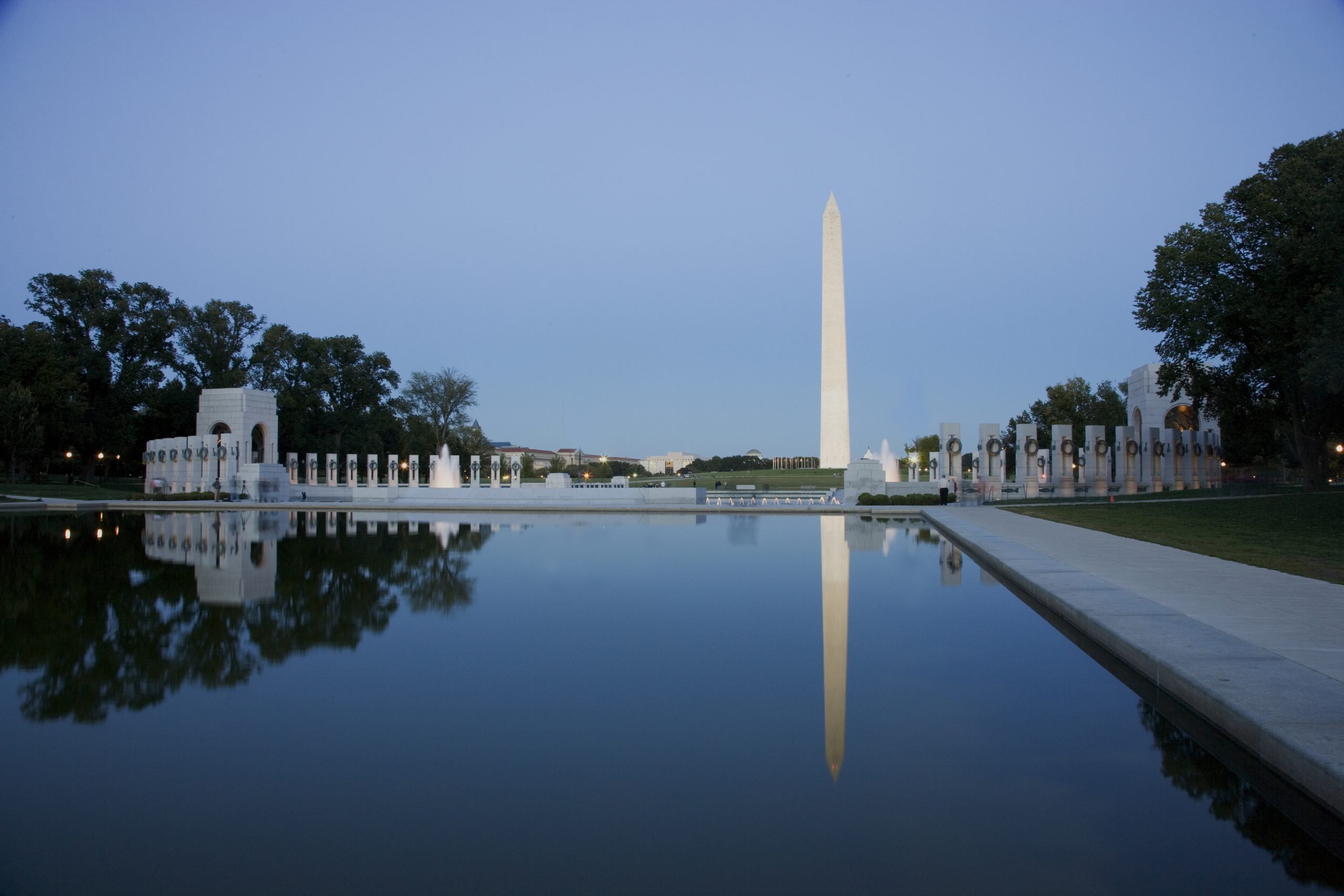
Trump’s Reflecting Pool renovation is being challenged in court in Washington, D.C., after a nonprofit group sued to stop the work on the National Mall. The plaintiffs say the project would repaint the pool blue and violates federal law because the Interior Department and National Park Service did not complete the historic-preservation review they say is required. That legal claim is now colliding with the fact that work has already begun, and a judge is weighing whether to order it stopped. The immediate news is that the case may have weakened the plaintiffs’ position: they are asking for an emergency halt, but the judge appears skeptical that the changes would cause irreversible harm if the work is later found illegal. The dispute also follows Trump’s announcement last month that the project would cost less than two million dollars, even as reporting put the figure much higher.
The lawsuit’s central claim
The Cultural Landscape Foundation, a nonprofit preservation group, is trying to block President Trump’s renovation of the Reflecting Pool between the Lincoln Memorial and the World War II Memorial. PBS NewsHour reported that the group’s lawsuit claims the National Park Service violated a historic preservation law by moving ahead with a plan to repaint the pool “American flag blue.”
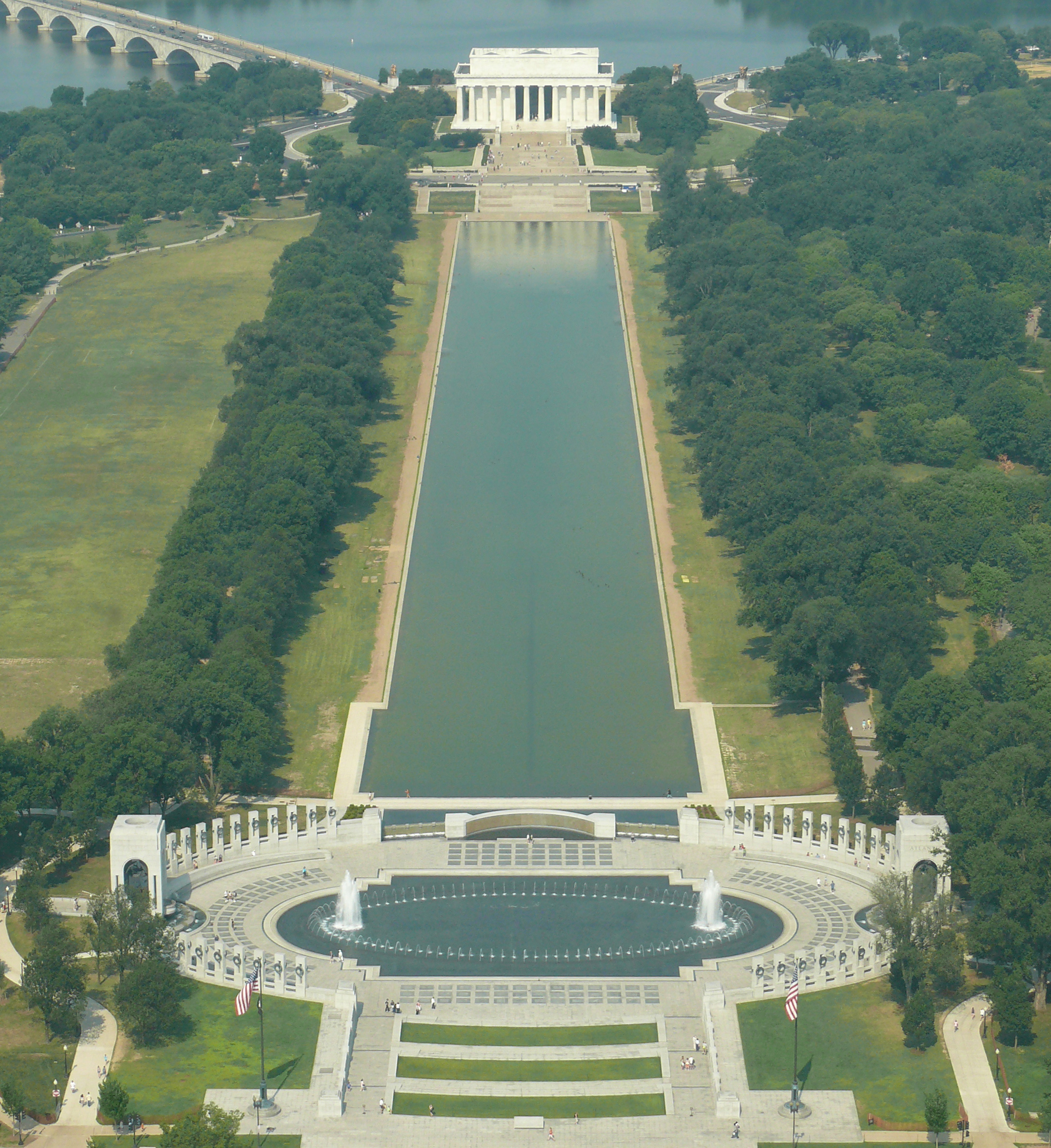
The complaint, according to PBS, argues that the new color would “fundamentally alter the visual and experiential character of the pool.” That phrasing gets to the heart of the preservation argument: the Reflecting Pool is not simply a basin that holds water. It is part of the designed landscape of the National Mall.
The pool’s usual power is visual restraint. Its surface is meant to mirror stone, sky, trees and monuments, not compete with them. Preservationists fear a bright artificial blue would turn a deliberately quiet civic space into something more decorative and less historic.
The administration’s position, as described in public discussion of the project, is different. Trump has framed the renovation as part of a broader beautification push ahead of America’s 250th anniversary celebrations, an argument that presents the work as maintenance and improvement rather than defacement.
Why the judge sounded wary
The legal fight may turn less on aesthetics than on the standard for emergency relief. The New York Times reported that Judge Nichols appeared hesitant to order the work stopped and seemed skeptical that the rushed changes would irreversibly deface the pool if he later found them illegal.
That skepticism matters. Courts are often reluctant to halt government work midstream unless plaintiffs can show more than a plausible legal violation. They usually must show a likelihood of success, immediate harm and a reason money or later repairs could not fix the injury.
For the plaintiffs, the strongest point is that historic character can be damaged before the public gets the process federal law is meant to provide. If the law requires review before a change, doing the work first and litigating later can make the review feel meaningless.
For the government, the most practical counter is that paint or coating may be reversible. If the judge believes the blue finish can be removed or corrected, the case for an emergency shutdown becomes harder, even if the judge has concerns about the process.
The cost shift raised stakes
The price tag has turned a design dispute into a taxpayer question. Trump has said the project would cost $1.8 million, or less than $2 million. But David Fahrenthold of The New York Times told PBS NewsHour that the federal government expected from the start to pay $6.9 million for the contract.
Fahrenthold said that figure later jumped another 88 percent, bringing the cost to $13.1 million. That is the “seven times” jump now shaping the political debate around the pool.
Cost escalation does not automatically make a project illegal. It does, however, sharpen public scrutiny, especially when the work involves a landmark that millions of visitors encounter as part of the symbolic core of Washington.
It also changes the way the lawsuit lands. A fight over a blue reflecting pool might sound cosmetic at first. A fight over a blue reflecting pool funded through public channels, with a sharply rising price tag, is easier for critics to frame as a governance problem.
A blue pool changes the view
The Reflecting Pool is about 2,000 feet long and dates to the 1920s, according to the PBS interview with Fahrenthold. Its size and age make it a complicated renovation even before politics enters the picture.
The visual dispute is also more nuanced than whether visitors will still see reflections. Fahrenthold told PBS that from low angles, such as the Lincoln Memorial steps or the World War II Memorial end, the pool would probably still reflect surrounding features.
The bigger change may appear from higher angles, such as the Washington Monument or an airplane. From there, an artificial blue surface could stand out more sharply against the Mall’s muted stone, grass and tree canopy.
That distinction helps explain why both sides can talk past each other. Supporters can say the pool will still function and look refreshed. Opponents can say the broader landscape experience will be altered in a way that visitors may not understand until it is already done.
No-bid questions add pressure
The contractor issue has added another layer of controversy. Fahrenthold told PBS that the contractor selected for the job had no previous federal contracts, which he described as unusual for a renovation of this size and importance.
He also said the firm’s website appeared to focus more on lining pipes, culverts and fuel tanks than on work like the Reflecting Pool. That does not prove the company cannot do the job, but it raises obvious questions about experience and vetting.
The procurement method is drawing scrutiny too. Fahrenthold said the administration used a special power to avoid competition and award the work directly. In ordinary federal contracting, competitive bidding is meant to help taxpayers know the government is getting a fair price and capable vendor.
Trump has said the company is close to him and worked on swimming pools at his golf club in Northern Virginia, according to the PBS discussion. That connection is politically explosive, though the legal case described by the plaintiffs centers on historic-preservation requirements rather than personal ties.
What happens next
The immediate question is whether the judge will pause the work while the lawsuit proceeds. If he refuses, the project could continue even as the court considers whether the process was lawful.
If the plaintiffs eventually win after the work is done, the remedy becomes more complicated. The court could order corrective action, require additional review or impose another remedy, but the practical and political fight would shift from prevention to repair.
The case also leaves several facts unresolved for the public. It remains unclear how the final coating will look in daily conditions, how easily it could be reversed, whether the cost will rise again and how much historic review occurred before the work began.
For now, the lawsuit’s problem is simple and severe: the plaintiffs may have a potent argument about process and preservation, but emergency court orders depend on proof of harm that cannot wait. That is where the blue Reflecting Pool fight may be won or lost.







Leave a Reply