

The House vote did not end U.S. military support for Israel, but the size of the Democratic bloc behind it signals a deeper shift. The fight now moves from one failed measure to the party’s foreign-policy future.
More than 100 House Democrats voted to end or block U.S. military aid to Israel in Washington, backing a House measure aimed at eliminating about $3 billion in military financing, according to CNN and The Wall Street Journal. The vote marked a notable shift within the Democratic Party, even though the effort was ultimately unsuccessful in the U.S. House of Representatives.
The vote matters because it showed a large Democratic bloc now willing to challenge a pillar of U.S. foreign policy that has long drawn broad bipartisan support. It did not cut off Israel aid, but it changed the political signal coming from Capitol Hill.
A failed vote with a louder message
The measure’s defeat is only part of the story. In practical terms, Congress did not end the military financing at issue. Politically, though, the number of Democrats who supported the move gave the vote unusual weight.
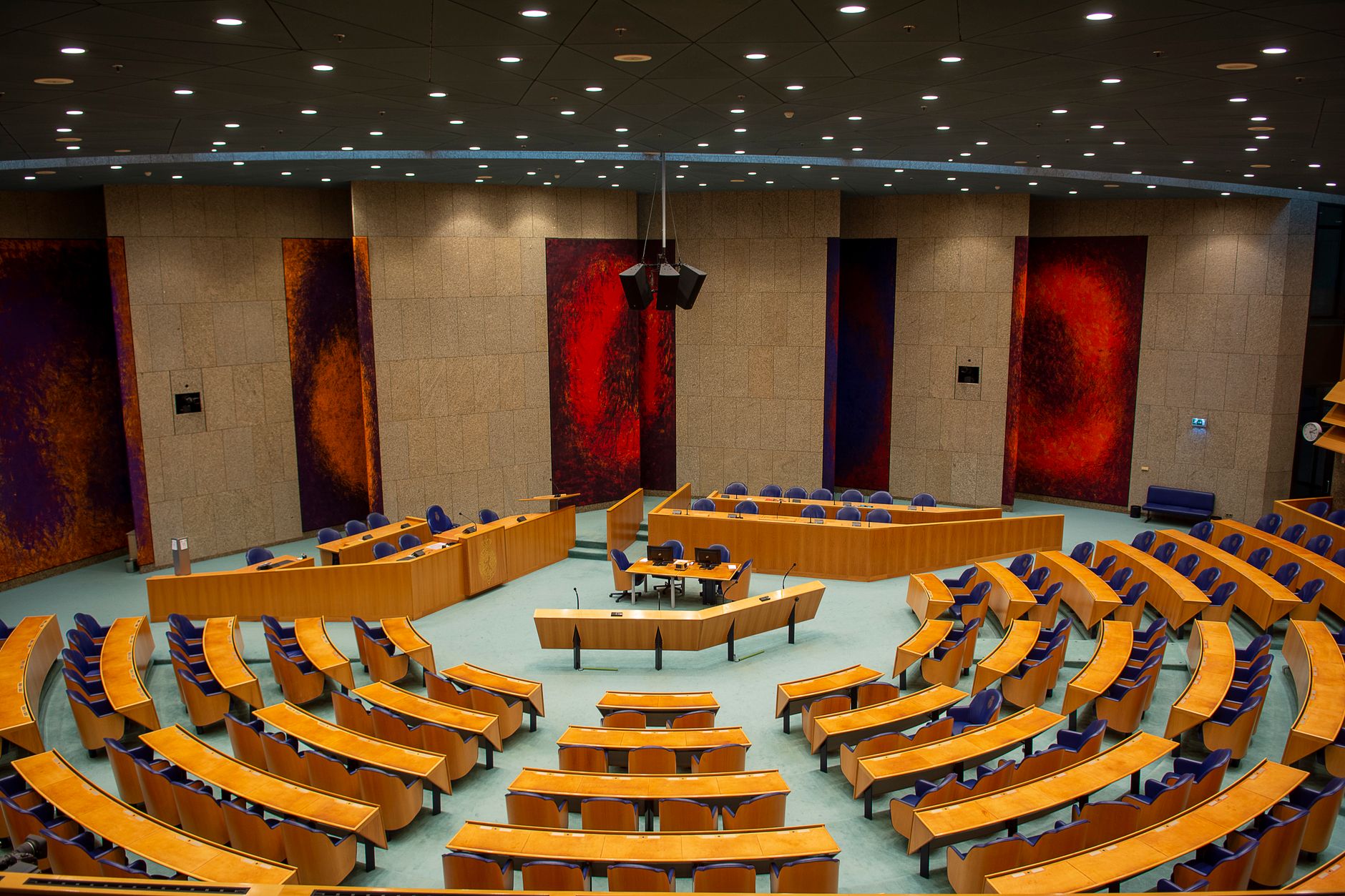
CNN described the effort as ultimately unsuccessful but noted that more than 100 House Democrats voted to block billions of dollars in military aid to Israel. The Wall Street Journal reported that the measure targeted about $3 billion in military financing.
That distinction matters. A failed amendment or measure can still reveal where a party is moving, especially when the vote touches an issue as sensitive as U.S. support for Israel during and after the Israel-Hamas war.
For years, the center of gravity in Congress has favored large military assistance packages for Israel. This vote showed that Democratic resistance is no longer confined to a small handful of lawmakers.
Why the number changes the story
More than 100 Democratic votes is not a symbolic protest by a fringe faction. It suggests that skepticism of unconditional military aid to Israel has become a mainstream force inside the House Democratic caucus, even if it has not become the dominant position.
That is the “seismic” part of the shift. The outcome did not reverse policy, but the scale of support for blocking the funds will be hard for party leaders, pro-Israel Democrats and advocacy groups to dismiss.
The vote also creates pressure in both directions. Democrats who backed the measure may face criticism from Republicans and pro-Israel groups accusing them of weakening a key ally. Democrats who opposed it may face pressure from voters and activists who argue U.S. weapons and financing should be conditioned on Israel’s conduct.
The result is a more visible split inside the party, one that could shape future debates over appropriations, weapons transfers and conditions on foreign military assistance.
What the measure did not do
The vote should not be confused with a successful cutoff of all U.S. support for Israel. Based on the available reports, the measure focused on roughly $3 billion in military financing, and it failed.
That means existing U.S. policy remains largely intact for now. Congress has repeatedly approved Israel-related legislation and assistance measures, and official House records show major Israel security bills have continued to pass, including the Israel Security Supplemental Appropriations Act, 2024, recorded by the Office of the Clerk.
Congressional Research Service material hosted by Congress.gov also notes that lawmakers have continued to vote in favor of U.S. assistance to Israel, even as calls to reevaluate that relationship have grown among some political and ideological groups.
In plain terms: this was not the end of Israel aid. It was a marker of how much more contested that aid has become among Democrats.
The Gaza war reshaped the debate
The Democratic divide over Israel has deepened since the Hamas attack on Israel and Israel’s military response in Gaza. Congress.gov’s Congressional Research Service has tracked votes related to the Israel-Hamas conflict, reflecting how frequently the issue has returned to the House floor.
Supporters of continued military aid argue that Israel faces serious security threats and that U.S. backing is central to deterrence, regional stability and America’s credibility with allies. They often frame the assistance as defensive and strategically necessary.
Opponents, or those seeking to block or condition certain funds, argue that U.S. tax dollars should not flow without stronger restrictions or accountability. For many Democrats in that camp, the humanitarian toll in Gaza has made the old consensus untenable.
Those competing arguments are now colliding inside one party. The leadership challenge is not just counting votes, but managing a coalition that includes staunch Israel supporters, younger progressives, foreign-policy skeptics and members from districts where voters are sharply divided.
Party leaders face a harder map
The vote gives Republicans an opening to portray Democrats as divided or hostile to Israel. That line of attack is likely to show up in campaigns, committee hearings and future floor debates.
But the Democratic politics are more complicated than a simple left-right split. Some lawmakers who support Israel’s security may still object to specific aid streams or want tighter conditions. Others may oppose the Israeli government’s current policies while maintaining support for Israel’s long-term defense.
That nuance is often flattened in campaign messaging. Still, the size of the vote means Democratic leaders can no longer treat the issue as a contained dispute among a few outspoken members.
Future foreign aid packages may require more negotiation inside the caucus, especially if they include military financing with few public conditions attached.
What happens after the signal
The immediate outcome is clear: the effort to eliminate the roughly $3 billion in military financing did not succeed. The longer-term effect is less settled.
One possibility is that the vote becomes a high-water mark for dissent, with party leaders and outside groups pushing Democrats back toward the traditional bipartisan line. Another is that it becomes the baseline for future fights, with more lawmakers willing to demand conditions, reporting requirements or outright cuts.
The unanswered question is whether this bloc can influence policy or only register discontent. More than 100 votes can shape negotiations, but passing a major change requires broader support in the House, the Senate and the White House.
For now, the biggest change is political visibility. U.S. aid to Israel still has enough support to survive in Congress, but the Democratic consensus behind it is no longer as quiet, automatic or unified as it once appeared.









Leave a Reply