
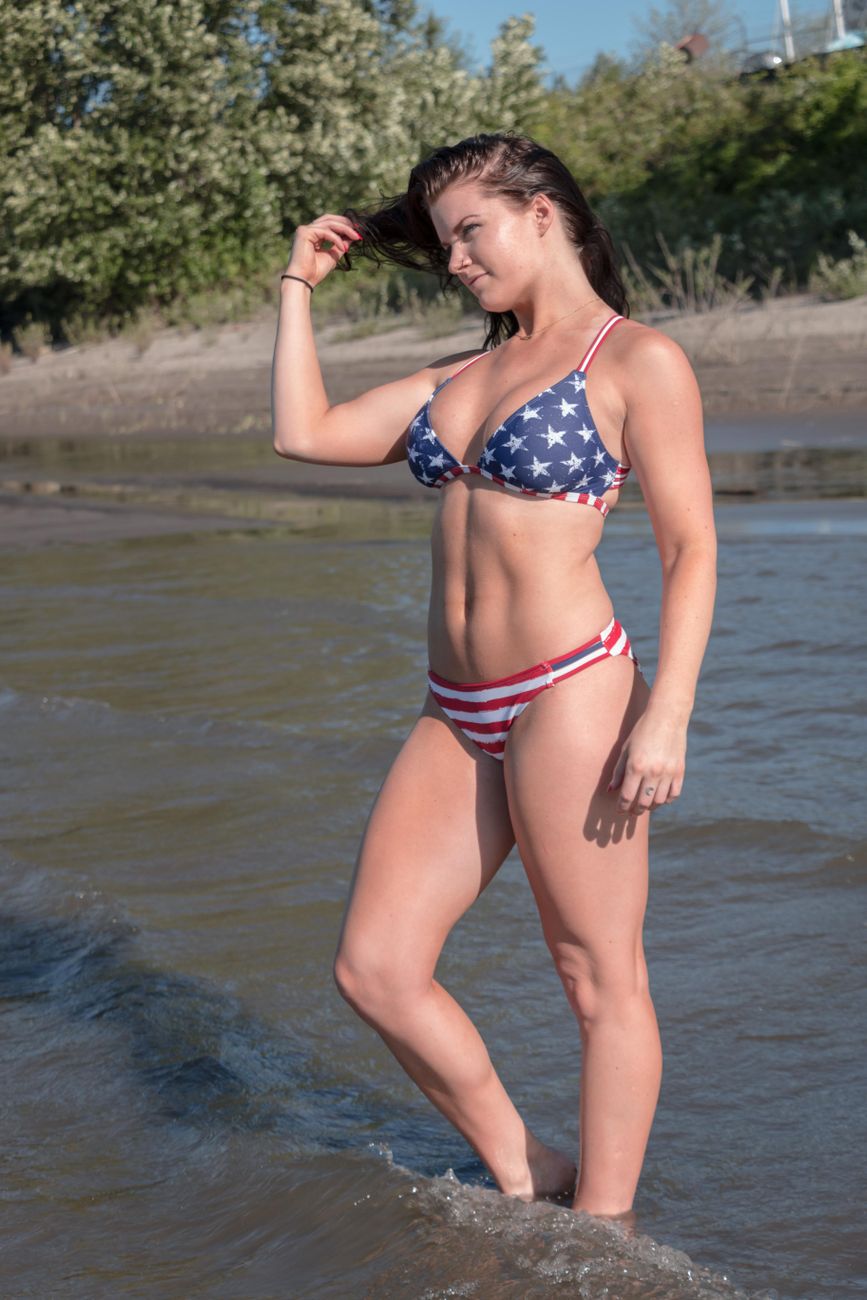
The online debate was less about one holiday photo than a new reflex: assuming polished celebrity images might be synthetic. Spiranac’s response shows how fast that suspicion now moves.
Paige Spiranac posted a patriotic Fourth of July swimwear photo, and the internet did what the internet now does: it put the image on trial.
The flare-up was not just about a bikini, a holiday caption or a stylized backdrop. It was about a newer kind of doubt hanging over celebrity content — the suspicion that anything too polished might be AI.
A holiday post got scrutinized
According to Fox News’ OutKick, Spiranac shared a Fourth of July message with a patriotic swimwear image, only for at least one social media user to question whether the photo had been created or altered with artificial intelligence.
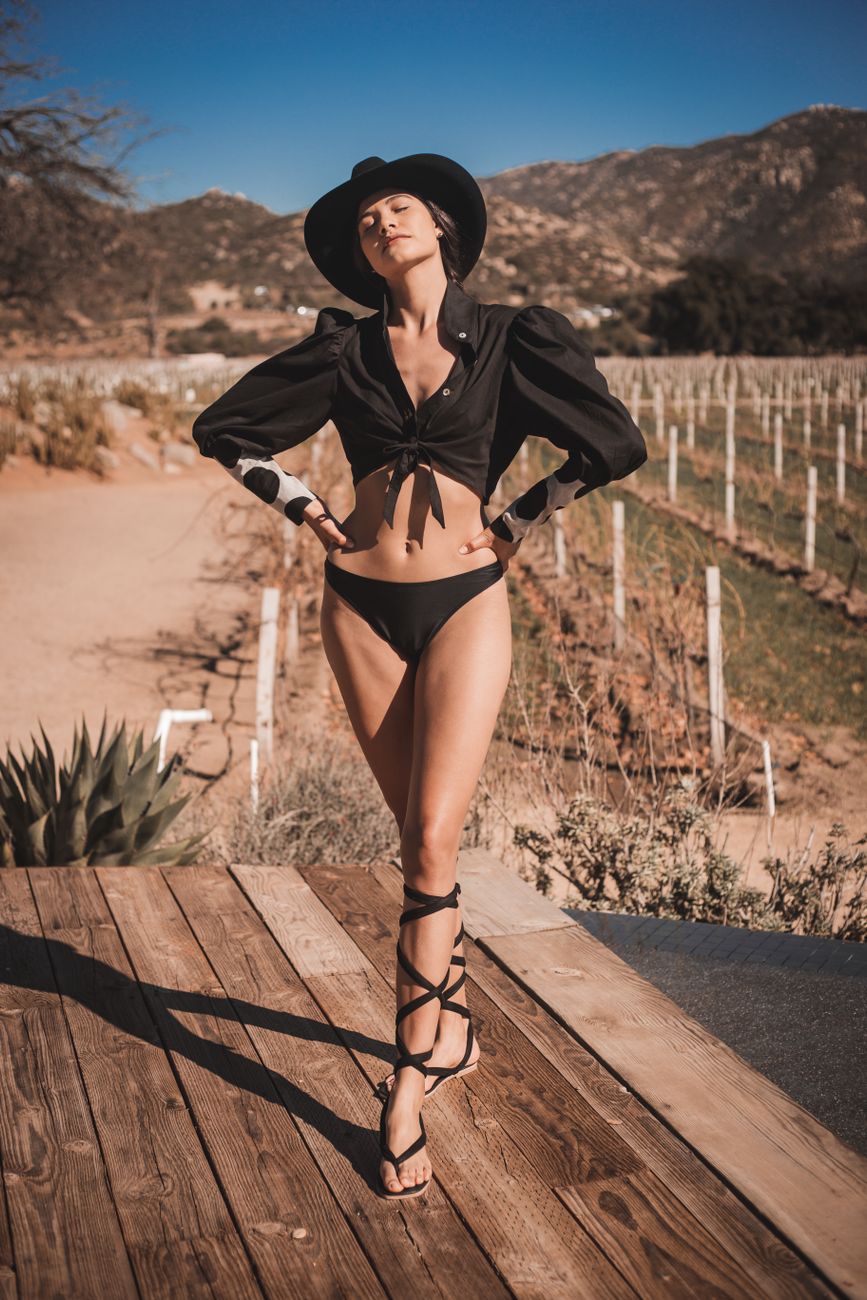
The report said the image showed Spiranac in a patriotic bikini in front of a background that was not a real setting. That detail appeared to fuel the accusation, because artificial-looking backdrops have become one of the quickest triggers for AI speculation online.
Spiranac pushed back directly. In a reply quoted by OutKick, she wrote: “Not AI. This image was from my 2026 calendar. We shot it in studio and then a graphic designer made the background.”
The user who had questioned the image then backed off, according to the same report, apologizing and complimenting the photo. That gave the exchange a tidy viral arc: accusation, denial, explanation, apology.
Her answer drew a line
Spiranac’s response matters because it made a distinction that often gets flattened in online arguments. A studio image with a designed or composited background is not the same thing as an image generated by AI.
Celebrity shoots, swimsuit calendars, sports promos and magazine campaigns have long used controlled lighting, retouching, set extensions, digital backgrounds and postproduction polish. That machinery existed well before consumer AI tools became part of the daily social media vocabulary.
The issue is that many viewers no longer separate those categories cleanly. If a background looks too smooth, if the lighting feels too perfect, or if the whole image has a hyper-produced sheen, some people now jump straight to “AI.”
Spiranac’s explanation was unusually specific for a quick social media reply. She did not just say the image was real. She gave provenance: a 2026 calendar shoot, a studio setup and a graphic designer’s work on the background.
AI suspicion is now automatic
The bigger story is the speed of the suspicion. A few years ago, the default accusation around a polished celebrity image might have been Photoshop, filters or heavy retouching. Now the first question is often whether the person, scene or entire image is synthetic.
That shift has changed how audiences consume lifestyle and celebrity content. Viewers have become amateur forensic analysts, scanning hands, shadows, skin texture, reflections and backgrounds for signs that something is off.
Sometimes that skepticism is useful. AI-generated images can spread quickly, and public figures do have an incentive to present themselves in ways that blur reality. A more visually literate audience is not a bad thing.
But skepticism can also become sloppy. A photo can look staged because it was staged. It can look unreal because lighting, styling and editing did their jobs. A fake-looking background may be a design choice, not proof of an AI prompt.
Spiranac is built for this
Spiranac, a former professional golfer turned media personality and sports influencer, has built a brand around the overlap of golf, glamour, humor and direct fan engagement. Her social media presence is not accidental; it is the product.
That is part of why a single holiday image can travel so quickly. Her audience expects confident, stylized content. Critics expect something to criticize. The result is a comment section that can become a referendum on authenticity within minutes.
For Spiranac, the Fourth of July post fit a familiar lane: seasonal, patriotic, visually bold and designed for attention. The twist was not that people noticed the image. The twist was that the image became a small test case for how viewers decide what is real.
There is also a gendered layer that is hard to ignore. Women in sports media and influencer culture often face intense scrutiny over appearance, presentation and credibility at the same time. An image can become less about the person’s work and more about whether strangers believe they are seeing the “real” version of her.
Why one comment traveled
The exchange had all the ingredients of a sticky social media moment: a recognizable personality, a holiday post, a provocative image, a new cultural anxiety and a fast response from the person at the center of it.
It also gave multiple audiences a reason to engage. Fans could defend Spiranac. Skeptics could debate AI. Critics of influencer culture could roll their eyes. People tired of AI panic could point to the explanation as proof that not every odd-looking image is synthetic.
That is why the debate outgrew the original comment. It was not simply “Did Paige Spiranac use AI?” It became “How do we know what we are looking at anymore?”
Based on the reporting available, there is no evidence cited beyond a viewer’s suspicion that the image was AI-generated. Spiranac denied it and said the photo came from a calendar shoot with a digitally designed background.
The real lesson for viewers
The clean takeaway is not that audiences should stop questioning images. It is that the questions need to get better.
There is a difference between asking for context and making a public accusation. A real photo can include digital design. A professionally edited image can still be based on an actual shoot. A strange background is not, by itself, proof of AI.
For public figures, this era may require more transparency about how promotional images are made. Behind-the-scenes clips, shoot credits and production notes can help close the gap between what was photographed and what was finished in post.
For everyone else, Spiranac’s Fourth of July dust-up is a reminder that the internet’s AI detector is often just a hunch with confidence. Sometimes the answer is not a machine. Sometimes it is a studio, a calendar shoot and a graphic designer doing exactly what they were hired to do.



Leave a Reply