
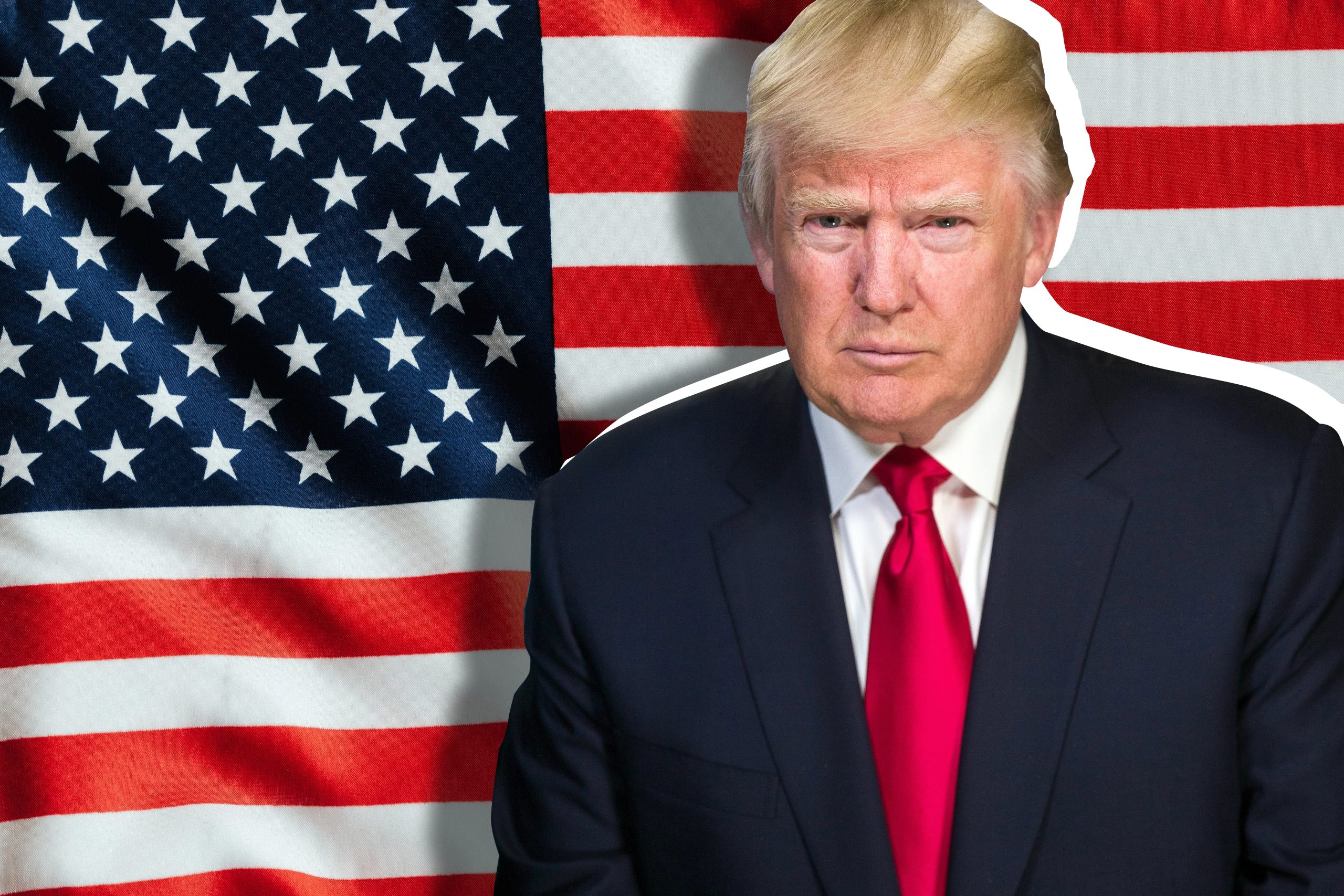
The address is not just another campaign-style grievance. It puts false election claims inside the machinery of a presidential message as the 2026 midterms approach.
Donald Trump is set to address the nation Thursday night from Washington, and the speech is expected to focus on election conspiracies, elections and voting machines. He may revisit long-debunked claims about the 2020 election, a subject he continues to raise despite certified results and years of failed challenges.
The White House has framed the address as a major message on election integrity. For the audience, the stakes are immediate: Trump is using a presidential platform to talk about voting rules and trust in elections as the 2026 midterms move closer.
Why this speech is different
Presidents do not usually ask for prime-time attention to air old political disputes. National addresses are typically reserved for wars, disasters, major policy shifts or moments when the White House wants the country to stop and listen at the same time.
That is why Trump’s planned focus is drawing scrutiny. According to Associated Press reporting, Trump has offered only limited details about the address, scheduled for 9 p.m. ET, but has said it will concern elections and voting machines. That wording points directly back to claims he has made for years about the 2020 election.
The 2020 results were certified by states, upheld through recounts and audits, and survived court challenges. No evidence emerged showing the kind of widespread fraud that would have changed Joe Biden’s victory. Trump’s continued promotion of those claims remains central to his political identity and to the loyalty tests inside his movement.
Moving those claims into a national address changes the setting. It turns a familiar rally theme into an official presidential communication, with all the force and symbolism that carries.
What Trump is expected to say
The clearest preview came from Trump himself. Asked Tuesday whether the address would concern “election machines and integrity,” he said it would “concern that subject” and added that there would be “a couple of other things” as well, according to AP.
White House press secretary Karoline Leavitt described the speech as a major address on “protecting the integrity of our elections.” She encouraged Americans to tune in and said Trump would argue that the country needs “adjustments” going forward, including a strict voter ID bill he has pushed.
Leavitt also suggested the remarks could touch on the economy and Iran, leaving open the possibility of a wider-ranging speech. But the election framing is what has triggered the sharpest reaction, because it lands in a political environment already shaped by mistrust among many voters.
The unanswered question is how far Trump will go. He could focus on voter ID, election administration and voting equipment. Or he could again center the false idea that his 2020 loss was stolen, a claim that election officials from both parties rejected at the time and that has never been substantiated.
The 2020 shadow still drives it
Trump’s loss to Biden six years ago remains one of the defining grievances of his public life. He has repeatedly tied unrelated issues back to 2020, using the language of stolen elections, suspicious machines and corrupt systems to explain defeat and rally supporters.
That persistence has had consequences far beyond Trump’s own standing. It fueled pressure on state and local election officials, helped normalize suspicion of routine vote-counting, and became a litmus test for Republican candidates in many races.
Election conspiracy theories also place officials in a difficult position. The mechanics of elections are complex, local and often slow. That makes them easy to distort in a televised message, especially when claims about machines or ballots are presented without the technical details that would allow viewers to judge them.
Supporters of stricter voting laws argue that voter ID and tighter procedures increase public confidence. Critics say those measures often solve problems that are rare while making voting harder for some eligible citizens. The fight is not only about rules; it is about whether confidence is built through evidence or through suspicion.
Networks are making a call
Some television networks were not planning to carry the speech live on their main broadcast channels, according to AP. ABC and NBC were expected to stream the remarks in full while reserving the option to break into regular programming if needed.
That decision reflects a familiar media dilemma with Trump. A presidential address is newsworthy by definition. But carrying it live also risks giving unfiltered airtime to claims that may be false, misleading or impossible to check in real time.
The White House pushed back against that caution. Leavitt argued that mainstream media outlets should air the speech and let Americans draw their own conclusions. That argument appeals to openness, but it also shifts the burden onto viewers to separate evidence from assertion during a high-stakes address.
For news organizations, the issue is not whether the president’s words matter. They do. The issue is whether live carriage serves the public better than immediate reporting, context and fact-checking after the speech begins.
Midterm fears are already rising
Democrats are warning that Trump may be laying groundwork to challenge or delegitimize the 2026 midterm elections if Republicans struggle. Sen. Mark Warner of Virginia said Trump would use a prime-time address to stoke misleading claims in order to justify interfering in the midterms. Sen. Andy Kim of New Jersey accused him of trying to revive baseless conspiracies ahead of November.
Republicans have not all framed the speech the same way. Vice President JD Vance said he would not get ahead of Trump’s remarks and pushed back on a reporter’s use of the phrase “unfounded claims.” He also said the administration could talk about “a number of the American people’s problems.”
Senate Majority Leader John Thune said he did not know what Trump would say, but added that his focus is on the 2026 election. That distinction matters: many Republican officials want to talk about winning the next race, not relitigating the last presidential election.
Still, Trump’s political power inside the party means the topic cannot be easily contained. If the address revives 2020 claims, Republicans will again face pressure to either defend the argument, sidestep it or publicly reject it.
What to watch after 9 p.m.
The most important signal may not be whether Trump mentions 2020. It is how he connects that past loss to future elections. If he argues for specific voting legislation, the speech becomes a policy push wrapped in grievance. If he suggests election systems cannot be trusted unless his preferred changes happen, it becomes something more destabilizing.
Watch also for how he describes voting machines. Claims about machines were among the most prominent conspiracy theories after 2020, and they led to lawsuits, official rebuttals and years of misinformation. Any new allegation will need evidence, not implication.
The response from networks, Republicans, Democrats and election officials will shape the next phase. A restrained speech could fade quickly. A speech built around debunked claims could become a defining moment in the midterm campaign and another stress test for public trust in elections.
The larger question is whether a national address can still function as a shared civic moment when the subject is the legitimacy of the voting system itself. Trump is betting that his audience wants this fight in prime time. The country is about to see how much of Washington follows him there.




Leave a Reply