

The Strait of Hormuz is not just another waterway. A U.S. move to control it and charge ships would collide with oil-market math, maritime law and Iran’s own claims.
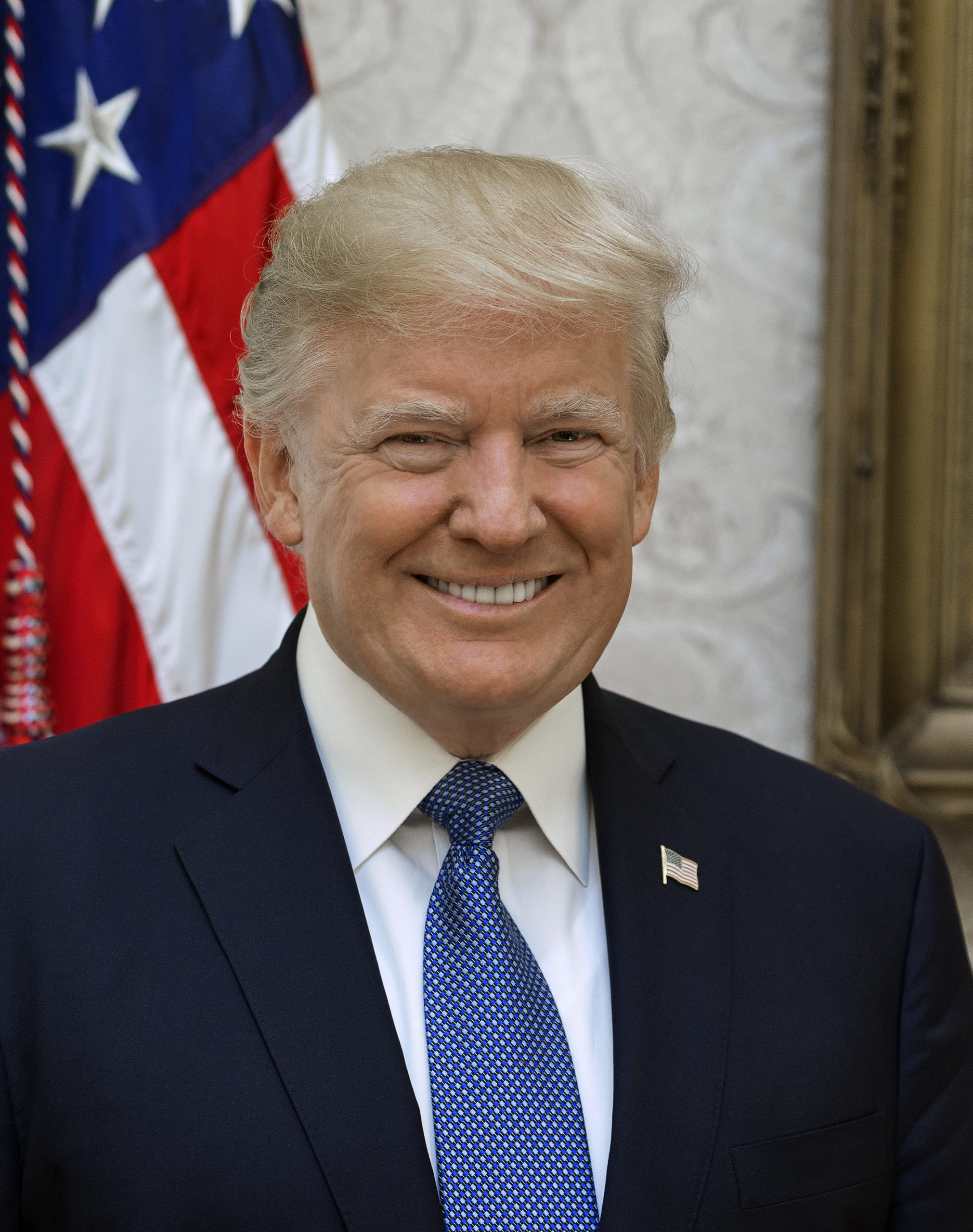
President Donald Trump has put the Strait of Hormuz at the center of a new geopolitical fight, saying the U.S. will take control of the waterway and charge ships for passing through it, according to a USA TODAY report carried by MSN.
If it moved beyond rhetoric, the idea would recast America’s role in the Gulf from naval protector to toll collector at one of the most sensitive oil corridors on Earth. The stakes are immediate: energy prices, military risk, shipping costs and international law all run straight through Hormuz.
A claim bigger than patrols
The Strait of Hormuz is already heavily watched by the U.S. Navy, Iran and Gulf states. But Trump’s reported claim goes far beyond patrols, escorts or deterrence.
To say the U.S. would take control suggests some form of operational authority over a natural international strait bordered by Iran and Oman. To say it would charge ships adds an economic layer that looks more like a canal toll than a security mission.
Details of how Trump would define control, who would pay, how fees would be enforced and what legal authority the U.S. would cite were not clear from the report. That gap matters because Hormuz is not the Panama Canal or the Suez Canal. It is a natural maritime passage used by tankers, container ships, naval vessels and liquefied natural gas carriers.
The distinction is the story. Washington has long helped keep Gulf shipping lanes open. Charging global commerce for that role would be a different proposition.
Why Hormuz moves markets
Hormuz is narrow, busy and economically explosive. The strait links the Persian Gulf with the Gulf of Oman and the Arabian Sea, making it the exit route for crude and petroleum products from major producers including Saudi Arabia, Iraq, Kuwait, the United Arab Emirates and Iran.
The U.S. Energy Information Administration has repeatedly described Hormuz as the world’s most important oil transit chokepoint. In recent years, roughly one-fifth of global petroleum liquids consumption has moved through it, along with major volumes of liquefied natural gas, especially from Qatar.
That is why even talk of new control, fees or military confrontation can ripple through markets. Shipping companies price risk. Insurers price risk. Oil traders price risk. Consumers eventually feel those costs in fuel, freight and inflation.
A fee system could be defended by supporters as a way to make countries that benefit from U.S. security pay more for it. Trump has often argued that allies and trading partners rely too heavily on American military power without sharing enough of the burden. Hormuz gives that argument a dramatic setting.
The legal wall ahead
The hard part is that international straits are not treated like private roads. Under the United Nations Convention on the Law of the Sea, ships and aircraft enjoy rights of transit passage through straits used for international navigation. Coastal states can regulate safety and pollution issues, but they cannot simply suspend lawful passage.
The U.S. has not ratified the convention, but it generally treats its navigational provisions as customary international law and relies on them when challenging excessive maritime claims by other countries. That makes a unilateral U.S. toll on Hormuz legally awkward, even before considering the reactions of Iran, Oman and major shipping nations.
There are maritime fees in the world. Ships pay to use canals, ports, pilots, inspections and specific services. But a broad charge for passing through a natural international strait controlled by neither the U.S. nor a U.S.-run authority would be a far more contested move.
Critics would likely argue that such a plan could undermine the same freedom-of-navigation principles Washington invokes in the South China Sea and elsewhere. If the U.S. claims a right to collect from Hormuz traffic, other powers may look for ways to copy the logic in waters closer to them.
Iran has its own toll idea
The timing is also sensitive because Iran has signaled its own interest in linking Hormuz security to fees. A June item on BBX, citing Xinhua News Agency, reported that Iranian Foreign Ministry spokesperson Bagai said Iran would be responsible for safe passage management of the Strait of Hormuz for a specific period and would charge fees for related shipping services.
That report is not the same as Trump’s claim, but the overlap is striking. Both concepts frame safe passage through Hormuz as a service that can be managed and monetized. Both would raise immediate questions from shipowners and governments about legal authority, neutrality and enforcement.
Iran has long used Hormuz as strategic leverage. It has threatened in past crises to close the strait, and the region has seen tanker seizures, mine attacks, drone incidents and close encounters between naval forces. The U.S. Fifth Fleet, based in Bahrain, is central to the American security presence in the Gulf.
A U.S. attempt to impose charges could therefore be read in Tehran not as bookkeeping, but as escalation. An Iranian attempt to charge or manage passage would be read in Washington and Gulf capitals the same way.
Who would actually pay
Even if a fee plan were framed as reimbursement for security, the practical questions pile up quickly. Would the charge apply to every tanker? Only ships carrying oil? Only ships from countries that do not contribute to Gulf security? Would U.S., allied or military vessels be exempt?
Then comes enforcement. A toll system needs identification, billing, compliance and penalties. In a canal, ships pass through fixed infrastructure. In Hormuz, vessels move through an international strait where coastal sovereignty, transit rights and military presence overlap.
Shipping firms would also want to know whether paying a U.S. fee would protect them from Iranian action, reduce insurance premiums or simply add another cost. If it did not clearly lower risk, it could be treated as a political surcharge on global trade.
Oil importers in Asia would be watching closely. China, India, Japan and South Korea all have major interests in Gulf energy flows. A U.S.-run charge could become another source of friction between Washington and countries that already resist American pressure over energy, sanctions or trade.
What remains unclear now
The most important unknown is whether Trump’s statement is a policy preview, a negotiating threat or a political sound bite aimed at allies, Iran and domestic audiences at the same time.
If the administration were serious, the next signals would likely come from the White House, Pentagon, State Department, Treasury or Congress. A real program would need a legal rationale, a military plan, diplomatic coordination and a way to answer objections from Gulf partners.
Markets may not wait for that paperwork. Hormuz is one of those places where language itself can become a risk factor. A few words about control, closure or fees can move expectations before any ship changes course.
The clean takeaway is this: the U.S. already helps keep the Strait of Hormuz open, but charging ships to pass through it would be a major shift with uncertain legal footing and potentially global consequences. Until there is a detailed plan, Trump’s claim is best understood as a high-voltage signal rather than an operating system for the world’s busiest oil chokepoint.





Leave a Reply