
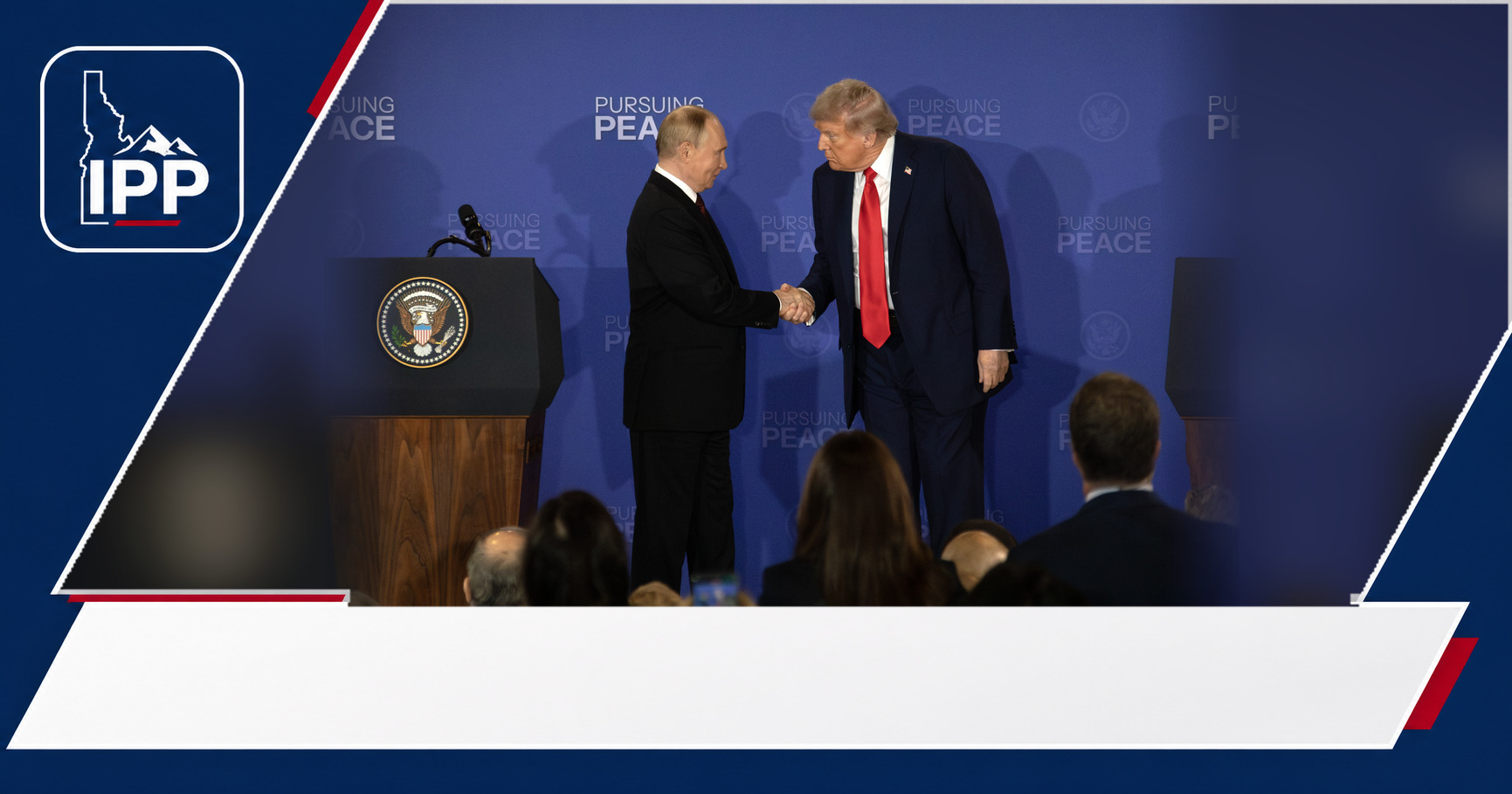
The extension keeps National Guard members visible across Washington years after President Donald Trump declared a crime emergency. Supporters point to public-safety operations, while critics see a lasting federal footprint in a city with limited control over its own security forces.
Washington, D.C., residents have likened President Donald Trump’s National Guard extension to a “police state” as the Pentagon keeps the District of Columbia National Guard deployment in place through Jan. 20, 2029. The decision means Guard members will remain a visible part of daily life in Washington through the end of Trump’s term, deepening an argument over crime, cost and who controls security in the capital.
The National Guard mission began after Trump’s August 2025 executive order responding to what he called a crime emergency. The administration says the operation has helped make the city safer. Critics, including some local residents and elected officials, say an open-ended military presence on city streets risks making an extraordinary measure feel routine.
The extension reaches Trump’s term end
The Pentagon confirmed in July that the mission would continue until Jan. 20, 2029, or until the president ends it earlier, according to the Associated Press. The deployment had been scheduled to expire at the end of 2026 after an earlier extension.
That timeline changes the political meaning of the operation. A deployment presented as an emergency response can now last for years, spanning most of a presidential term rather than a defined short-term intervention.
The phrase “police state,” used by some residents in reaction to the extension, reflects concern about permanence as much as the number of troops. For critics, the issue is the sight of armed military personnel in places Washingtonians use every day: Metro stations, parks, tourist areas and neighborhoods.
What Guard members are doing
Guard personnel do not make arrests, AP reported. Their mission has included assisting law enforcement, responding to medical emergencies, helping with snow removal and taking part in beautification projects.
Those duties illustrate the unusual breadth of the deployment. Some are straightforward public-service assignments; others put Guard members alongside the broader federal law-enforcement effort that Trump says is central to reducing crime.
The Trump administration has argued that the Guard’s support has helped the overall operation. The White House said in April that a joint task force had made 12,000 arrests since the effort began, including 62 known gang members, and seized thousands of illegal firearms.
Those figures describe the wider task force, not arrests made by Guard members themselves. That distinction matters when evaluating what the Guard presence has directly changed and what has resulted from other federal and local enforcement activity.
Crime claims remain contested
The administration says crime has fallen rapidly since the federal operation began. Local officials have countered that crime was already declining before Trump ordered 2,500 troops into Washington.
That disagreement sits at the heart of the public debate. If the Guard deployment caused or substantially accelerated a drop in crime, supporters can argue that extending it protects a public-safety gain. If the trend was already moving downward, critics argue the deployment may be taking credit for changes that were underway.
AP also reported that questions were raised about whether local police crime data had been manipulated, prompting an investigation. That complicates efforts to deliver a clean verdict based on a single set of crime numbers.
For residents, the argument is not only statistical. It is about whether the benefits they experience justify a federal security posture that has become part of the city’s landscape.
D.C.’s federal status shapes the fight
Washington is not a state, and its unique legal status gives a president far more direct influence over the city’s police and National Guard than a governor would have over another state’s forces. That has made the capital a different legal and political case from other cities where deployments have met court challenges.
According to AP, Guard deployments in California and Illinois have been ended or paused by courts, while more limited operations continue in places including New Orleans. In Washington, the federal government’s authority is stronger because Congress established the District as a federal district.
That distinction fuels the concern voiced by D.C. residents. A city whose residents lack full congressional representation also has less ability to block or reshape a federal deployment that many of them may oppose.
Supporters of the extension can point to the same structure and say it allows the federal government to act quickly in the nation’s capital. Critics see it as proof that Washington’s residents have too little say over decisions affecting their streets.
The price tag is part of it
Phil Mendelson, chairman of the D.C. Council, said in April that taxpayers were spending more than $1 million a day for Guard members to “walk around,” according to AP. He also criticized the image of armed soldiers on American streets.
That estimate adds a practical dimension to a debate often framed in constitutional or symbolic terms. Even people who favor a firm response to violent crime may question whether a multi-year Guard mission is the most effective use of public money.
The administration’s answer is likely to rest on deterrence and operational support: a visible presence, additional personnel and assistance for other agencies. Opponents will continue to demand clearer evidence that those benefits outweigh the cost and that civilian policing cannot achieve the same results.
What remains unresolved in Washington
The Pentagon’s wording leaves room for the president to terminate the mission before Jan. 20, 2029. But the announced end date gives residents, city leaders and advocates a reason to treat the deployment as a long-term policy rather than a temporary response.
The unresolved questions are substantial: How many Guard members will remain in the city over time? What specific benchmarks would justify scaling the mission back? How will officials separate the Guard’s impact from broader policing trends? And what role will D.C. leaders have in those decisions?
For now, the extension ensures the argument will continue. It is a dispute over public safety, but also over whether Washington can preserve a sense of civilian normalcy when a federal military mission is scheduled to last through the end of a presidency.


Leave a Reply