
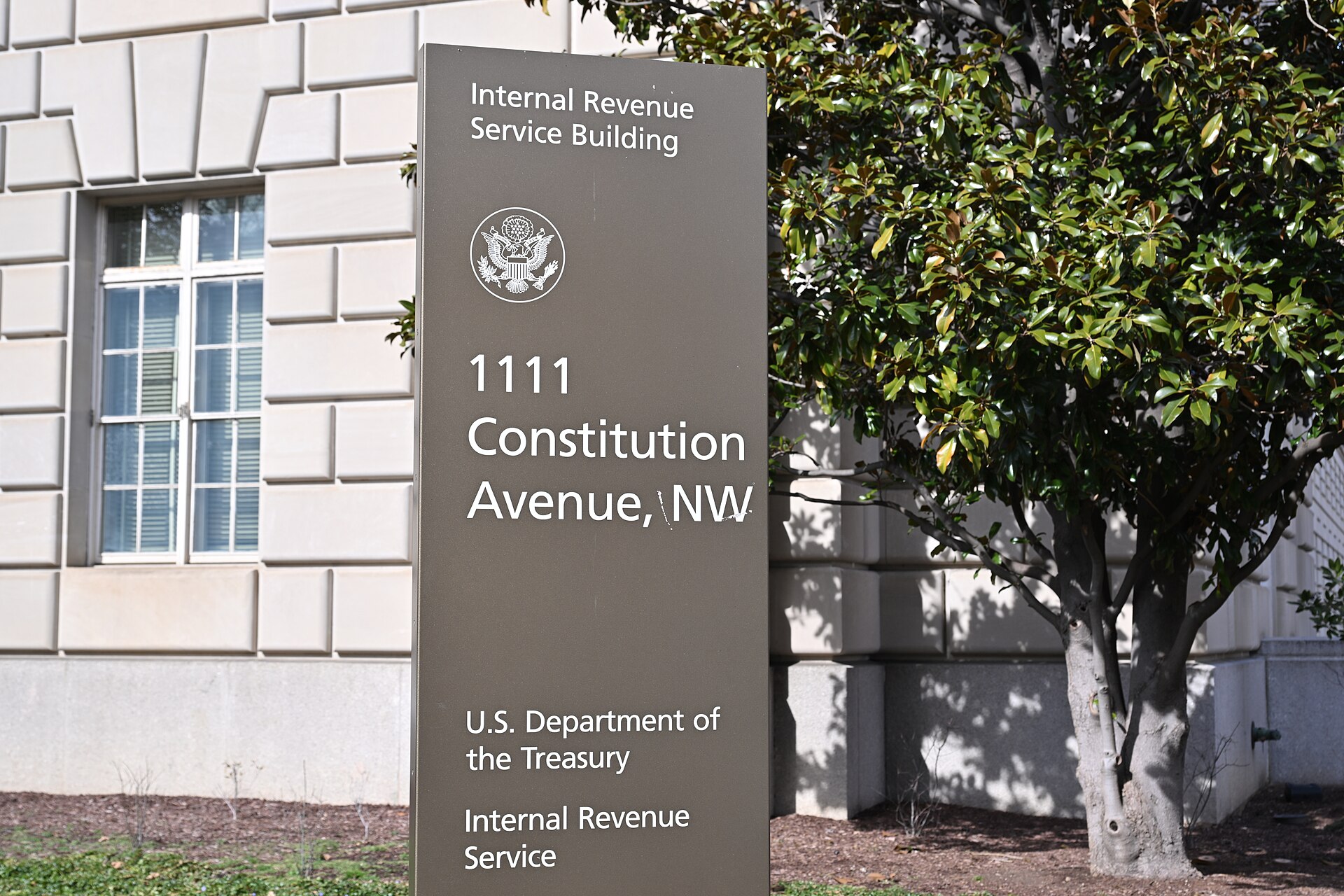
The dispute is not just about one tax agreement. IRS workers say it tests whether career tax officials can apply the same rules to politically powerful taxpayers.
An IRS workers union is objecting to what it calls special treatment for the Trump family in an immunity deal that could halt certain tax audits. The National Treasury Employees Union has joined a court challenge to an agreement involving President Donald Trump, his sons and the Trump Organization, arguing that IRS employees should not be directed to treat them differently from other taxpayers.
The objection concerns an immunity deal that the union wants a federal judge to block. At issue is whether the Trump administration can require career IRS staff to end audits already underway while leaving the agreement in place for the president and his businesses.
The union’s central objection
The National Treasury Employees Union, which represents Treasury Department and IRS employees, says the proposed arrangement clashes with a basic expectation of tax administration: taxpayers are subject to the same legal standards regardless of political power.
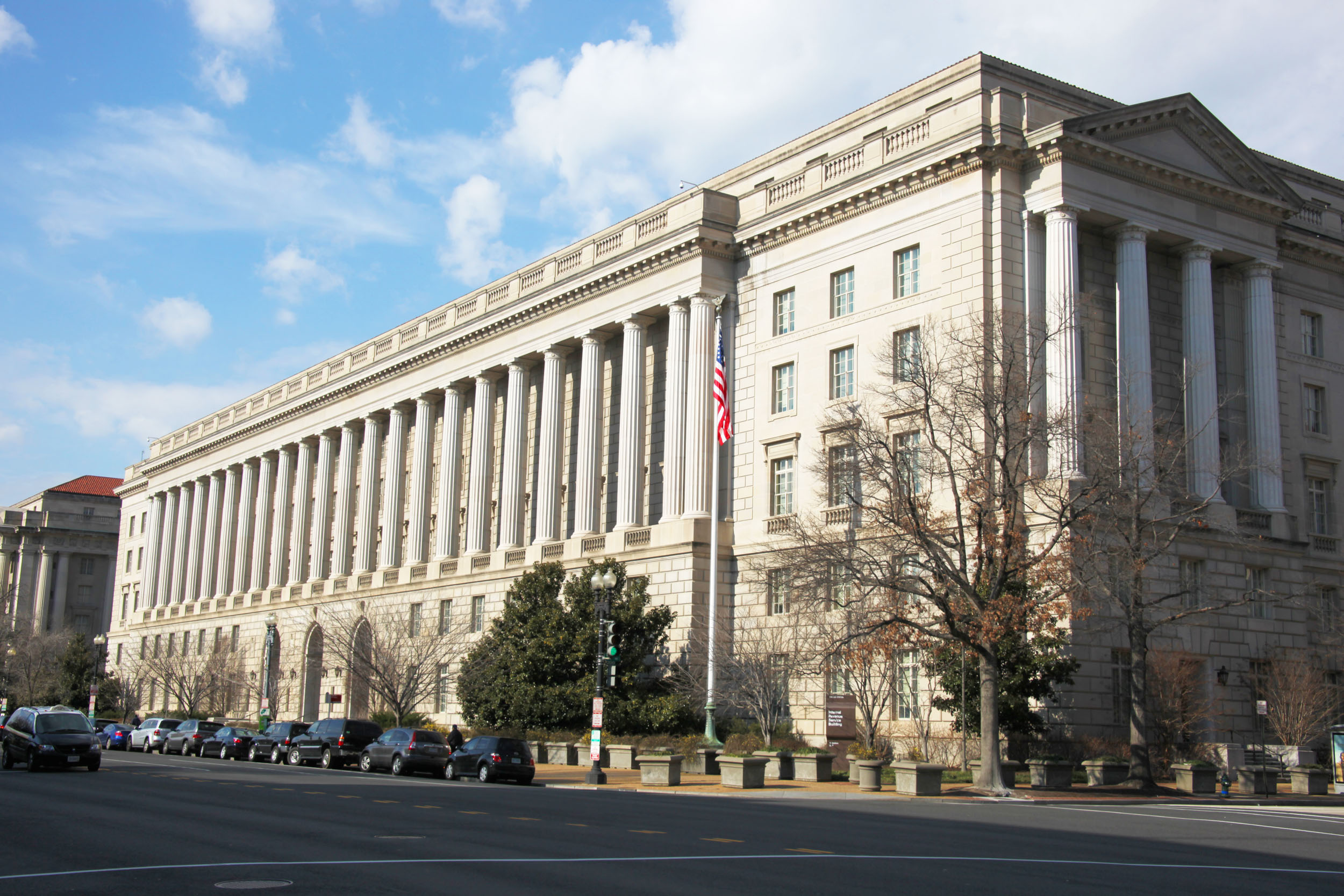
In a statement reported by The Associated Press, union president Doreen Greenwald said the integrity of the tax system depends on every taxpayer facing the same laws and standards. She said political instructions to treat particular taxpayers differently can damage public confidence and place career employees in an impossible position.
That is the core of the union’s “special treatment” argument. It is not merely objecting to a settlement involving Trump; it is arguing that employees responsible for applying tax law could be told to abandon work that they would otherwise be required to pursue.
What the agreement reportedly covers
According to AP’s account of the lawsuit, the immunity agreement applies to President Trump, his sons and the Trump Organization. The union and other plaintiffs say it would require IRS personnel to drop ongoing audits involving the president and his businesses.
An earlier one-page outline signed by acting Attorney General Todd Blanche said the United States would be permanently barred from examining current tax filings or prosecuting the listed plaintiffs, along with certain related or affiliated individuals, AP reported.
Administration officials have said the deal is narrower than its critics contend. They have said it applies to claims that were open at the time of the settlement and does not prevent examination of future tax filings.
That distinction is likely to be central to the court fight. A restriction tied only to existing matters could still have substantial practical consequences, while the administration may argue that it does not create a lasting exemption from ordinary tax oversight.
Why IRS employees are involved
The union’s participation gives the lawsuit a workplace and institutional dimension. Its argument is that career employees, rather than political appointees alone, could bear the burden of implementing the agreement.
Federal tax enforcement depends on IRS staff conducting examinations under rules designed to limit political interference. The lawsuit alleges that the agreement violates a federal law barring presidential interference with tax audits.
That allegation has not been resolved by a court. The Trump administration will have an opportunity to respond, and a judge would have to decide both whether the plaintiffs have standing to challenge the agreement and whether the government’s actions crossed a legal line.
The union’s claim is also broader than an individual audit dispute. It contends that workers could face a choice between complying with a political directive and following the legal duties associated with their jobs.
A dispute over equal treatment
Critics of the agreement frame it as a question of tax fairness. The updated lawsuit says Trump and his family remain obligated to pay taxes like any other taxpayer, and it characterizes the protection from ongoing examinations as an unconstitutional benefit.
The exact amount of any potential back-tax liability remains unclear. AP reported that previous reporting by The New York Times and ProPublica suggested the agreement could eliminate more than $100 million in potential back taxes, but that figure has not been established through a court ruling in this case.
Supporters of settlements and limits on investigations could argue that the government has authority to resolve disputes and that a deal limited to existing claims is not the same as blanket immunity. The available reporting does not include a detailed public defense of the agreement from the Justice Department or Trump’s legal team.
AP said the Justice Department and an attorney for Trump did not immediately respond to requests for comment when the union filed its updated challenge. That leaves significant questions about the legal rationale and intended scope of the agreement unanswered in public.
The case’s earlier $1.8 billion fight
The new challenge grew out of a lawsuit filed in May over a proposed $1.8 billion Anti-Weaponization Fund. That fund was intended to compensate people who said they were politically targeted by the Justice Department.
The proposal drew bipartisan resistance, in part because potential recipients could have included people convicted of assaulting police during the Jan. 6, 2021, attack on the U.S. Capitol. U.S. District Judge Leonie Brinkema, who is overseeing the case in Alexandria, Virginia, blocked the administration from proceeding with the fund in May.
The administration later said it was no longer moving ahead with the fund, according to AP. But the plaintiffs have asked for a permanent bar, arguing that the withdrawal did not fully prevent future efforts to revive it.
The tax-audit immunity agreement is now the active focus of the updated case. Unlike the fund, it remains in place, according to the lawsuit described by AP.
What the judge must decide
The immediate request is for the court to stop the administration from implementing or enforcing the audit-immunity agreement. Before reaching the larger constitutional and statutory arguments, the judge may need to assess the legal basis for the union and other plaintiffs to bring the challenge.
A ruling for the union could block the agreement and allow disputed audits to continue under ordinary IRS procedures. A ruling for the administration could leave the deal intact, while still preserving the stated possibility of examining future filings.
For taxpayers, the case carries a simple but consequential question: whether the rules governing tax examinations apply consistently when the taxpayer is the sitting president and his business network. The union’s position is that consistency is essential; the administration’s full legal response has yet to be laid out in court.
Until a judge rules, the allegations in the lawsuit remain allegations. But the case has already turned an unusual tax settlement into a wider test of the independence of career IRS employees and the limits of political influence over tax enforcement.










Leave a Reply