
The dispute is less about a single campaign-style exchange than the voting-policy question it pushed back into view. The SAVE Act would change how people register for federal elections, with supporters calling it a safeguard and opponents warning of new barriers for eligible voters.
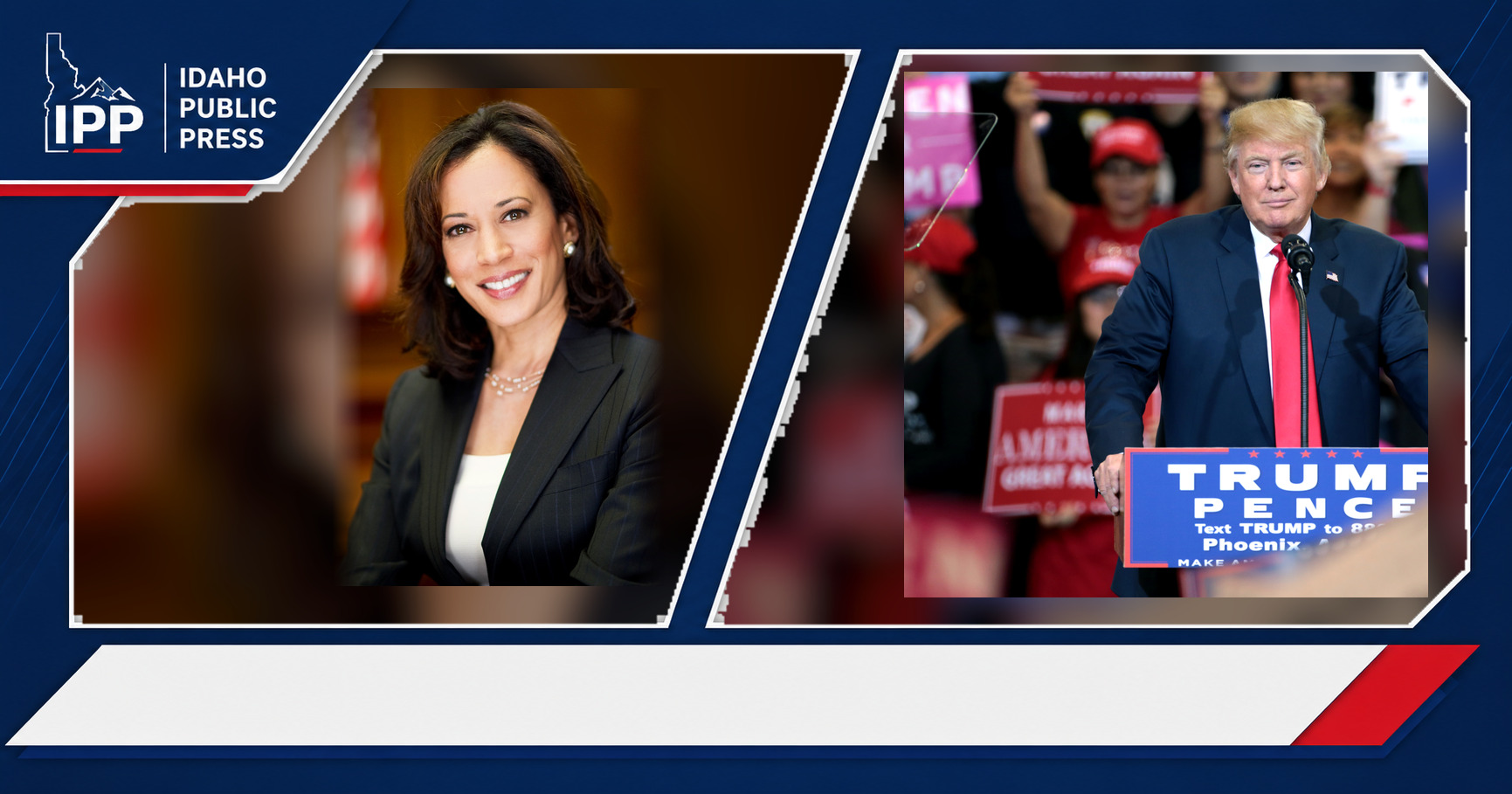
Kamala Harris inadvertently promoted the SAVE Act, according to the framing of a Fox News headline carried on MSN, after Donald Trump attacked Harris over the voting bill and the criticism was portrayed as backfiring. The episode has drawn fresh attention to the SAVE Act’s central proposal: requiring documentary proof of U.S. citizenship when registering to vote in federal elections.
That is why the clash matters beyond its political theater. Donald Trump’s attack on Harris over the SAVE Act may have amplified a proposal supporters see as basic election protection and opponents see as a new obstacle for eligible citizens trying to register.
What the SAVE Act would change
The SAVE Act is short for the Safeguard American Voter Eligibility Act. H.R. 22 would amend the National Voter Registration Act of 1993 to require proof of U.S. citizenship for registration in elections for federal office.
Its core rule is direct: states could not accept and process a federal voter-registration application unless the applicant presents documentary proof of citizenship with it. The bill also would require states to verify citizenship through the motor-vehicle registration process, subject to the bill’s provisions.
Congress.gov’s House-engrossed text, dated April 10, 2025, lists documents that could qualify. They include a valid U.S. passport; certain government-issued identification showing U.S. birth; specified military records paired with military identification; naturalization or citizenship certificates; and, in some cases, a certified birth certificate paired with photo identification.
Why the Harris-Trump exchange travels
The available source material does not provide a full transcript of Trump’s criticism, Harris’s response, or an independently measured public reaction. What is clear is the political logic behind the “accidental saleswoman” label: an attack can raise the profile of a bill just as effectively as an endorsement, particularly when the bill’s title and core premise are easy to summarize.
For SAVE Act supporters, the argument is straightforward. Only U.S. citizens may vote in federal elections, so they say registration systems should require affirmative documentary evidence of citizenship rather than rely primarily on applicant attestations and existing administrative checks.
For opponents, the flashpoint is not whether noncitizen voting should be prohibited. It already is prohibited in federal elections. Their concern is whether demanding documents at registration could prevent some qualified citizens from getting on the rolls, especially people whose records do not neatly match their current names or who do not have ready access to a passport, birth certificate, or qualifying ID.
The argument is about access
Both sides can claim they are defending election integrity, but they define the risk differently. Supporters focus on preventing ineligible registration before it happens. Critics focus on eligible voters being excluded because obtaining or presenting paperwork can be difficult, costly, or slow.
The bill’s document list is broader than passports alone, which is significant. It allows several routes to establishing citizenship and permits certain applicants to combine a government photo ID with documents such as a certified birth certificate, a Consular Report of Birth Abroad, or a naturalization certificate.
Still, a broader list does not settle the practical questions. State election offices would need workable procedures for reviewing documents, resolving discrepancies, and handling applicants whose records are missing, damaged, or inconsistent. The legislation also directs states to establish processes for people unable to provide the listed documents, but the real-world effectiveness of those processes would depend on implementation.
What the bill text says
The House-engrossed version of H.R. 22 says documentary proof can include a REAL ID-compliant identification that indicates the holder is a U.S. citizen. A REAL ID by itself is not necessarily proof of citizenship unless it carries that indication under the bill’s language.
Other listed options include a valid U.S. passport, a government-issued photo ID that shows U.S. birth, or a photo ID paired with specified citizenship records. The latter category includes certified birth certificates meeting detailed requirements, certain hospital birth records, final adoption decrees, and federal naturalization or citizenship documents.
The bill also addresses agency cooperation. Its text authorizes states to seek information from federal agencies for citizenship-verification purposes and says federal departments or agencies may not charge states a fee for responding to such requests.
Those provisions matter because the policy debate is often reduced to a slogan. The actual proposal would involve a nationwide administrative shift affecting federal registration rules, state election systems, motor-vehicle agencies, and voters who need to gather documents.
What remains unresolved
The political claim that Trump’s criticism “backfired” is inherently harder to verify than the text of the legislation. A headline or social-media reaction can signal attention, but it does not by itself establish lasting support, a changed voter opinion, or a legislative outcome.
The bill’s future is also separate from the viral framing around Harris and Trump. Congress.gov identifies the cited version as House-engrossed on April 10, 2025; the available research does not establish any later final enactment, Senate action, or implementation date. Readers should distinguish between a bill’s stated requirements and a law that is currently in effect.
That distinction is the useful takeaway from the dispute. Trump’s criticism of Harris may have given the SAVE Act a clearer public spotlight, but the consequential question is whether Congress embraces a national documentary-proof requirement—and, if it does, whether election administrators can protect both ballot eligibility and access for qualified voters.






Leave a Reply