
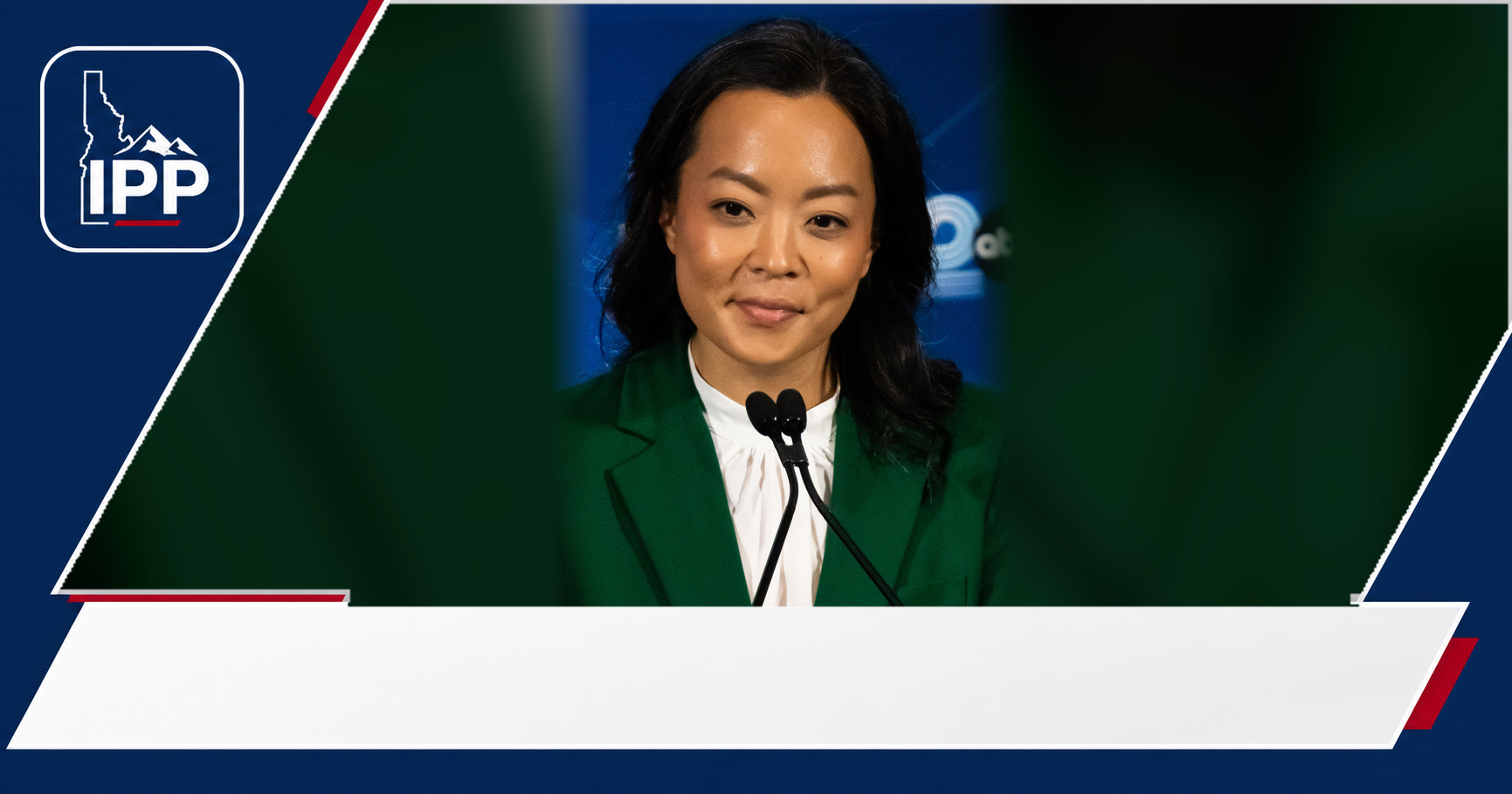
A years-old social media post has become a campaign test for Francesca Hong, a democratic socialist seeking Wisconsin’s Democratic nomination for governor. The dispute shows how quickly an old cultural critique can become a broader argument about message discipline and electability.
Francesca Hong, a Democratic candidate in Wisconsin’s 2026 gubernatorial primary, is clarifying old social media posts in which she called to cancel Thanksgiving. The posts, including a Nov. 16, 2020 message, have drawn backlash from Democratic and Republican critics as Hong seeks the party’s nomination in the Aug. 11, 2026 primary.
Hong said in an Aug. 7 interview with USA TODAY that she is not going to cancel Thanksgiving if elected. But her old tweets have become a larger campaign issue: opponents say the messaging raises questions about her general-election appeal, while Hong argues she is offering Wisconsin voters a different kind of politics.
A holiday post becomes a campaign issue
The Thanksgiving controversy traces to a deleted 2020 post in which Hong argued that the country should scrap the holiday because it celebrates colonialism and the deadly effects of European settlement on Indigenous people.
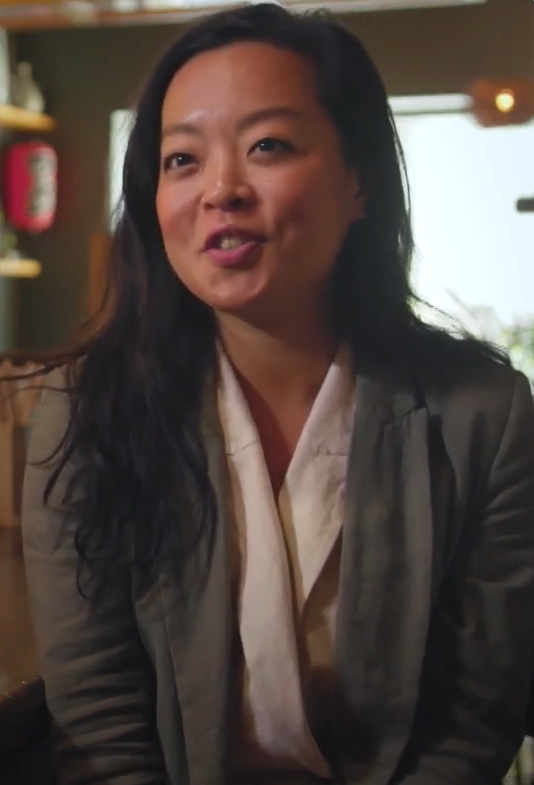
That critique resurfaced after a CNN interview on Aug. 3, when Hong left open the possibility of canceling Thanksgiving. The exchange gave opponents a simple, emotionally charged line to use against a candidate already receiving national attention.
Hong’s later response was notably more direct. In her USA TODAY interview, the state legislator and professional chef said Thanksgiving is not part of her agenda as governor, adding that cranberry stuffing is among her favorite dishes to make.
The distinction matters politically. Hong appears to be separating a past critique of the holiday’s history from the practical priorities she says would guide a gubernatorial administration.
Critics see a message problem
Hong’s rivals are treating the episode as evidence of something broader than one old post. David Crowley, a fellow Democrat in the Wisconsin governor’s race, told USA TODAY that Hong’s answers to straightforward questions should give voters pause.
Republicans have been even more eager to elevate the remarks. They see the possibility of a Hong nomination as an opportunity to frame the November contest around ideological labels rather than the economic concerns Hong says are driving her campaign.
Rep. Derrick Van Orden, a Wisconsin Republican seeking reelection, told USA TODAY that a matchup involving Hong would make it easier for the GOP to draw a sharp contrast. That is the strategic value of a Thanksgiving story for Republicans: it is easy to repeat, even when the underlying argument is more complicated.
The criticism also reflects a familiar Democratic primary divide. Some party figures worry that provocative language may hurt candidates in competitive states; supporters of the party’s left often argue that cautious messaging has not solved voters’ frustration with the political establishment.
More old posts face scrutiny
The Thanksgiving message is not the only past post circulating in the race. USA TODAY reported that Hong’s earlier social media activity included criticism of Valentine’s Day and comments about difficult experiences working in restaurants.
One 2022 Valentine’s Day post criticized the holiday’s capitalist underpinnings and the treatment of service workers. A 2019 post described Hong feeling close to an anxiety attack at a restaurant after encounters with older White customers whom she said assumed workers did not speak English.
Those posts are being grouped together by critics as a pattern of unpolished or confrontational rhetoric. That framing could be politically potent, though it leaves out the individual circumstances Hong was addressing: labor conditions, racism and the historical meaning of national traditions.
The unresolved question is whether voters view the posts as disqualifying, as evidence of authenticity, or simply as old online commentary that does not outweigh a candidate’s present platform.
DSA ties add another layer
Hong is a member of the Madison, Wisconsin chapter of the Democratic Socialists of America, and that affiliation has brought additional attention to her campaign. The national DSA’s platform has recently drawn scrutiny for positions including abolishing prisons, law enforcement, borders and the U.S. Senate.
Hong told USA TODAY she does not embrace every part of that national agenda. She specifically said abolishing prisons and law enforcement would not help deliver the improvements she wants for people struggling economically.
Her position underscores an important distinction that can get lost in campaign attacks: membership in a local political organization does not necessarily mean support for every plank of its national platform. Still, candidates are often judged by the alliances and labels opponents can attach to them.
For Hong, the challenge is to explain where she agrees with democratic socialist politics, where she breaks with it and what policies she would actually pursue as governor. Her stated focus is on improving residents’ material conditions, a phrase that points toward economic issues rather than symbolic cultural fights.
Wisconsin’s primary raises the stakes
Hong, 37, is described by USA TODAY as the front-runner in a crowded Democratic field in a swing state. That makes her campaign a visible test of the progressive movement’s strength in 2026, especially beyond heavily Democratic cities and districts.
Her supporters may see the scrutiny as proof that established party voices and Republicans are nervous about a candidate who challenges conventional Democratic politics. Skeptics may see the succession of old posts as a warning that campaign discipline matters more in a statewide contest than in local political circles.
Both interpretations can coexist. Candidates are allowed to evolve, and old posts do not automatically settle what a person would do in office. Yet explaining that evolution is part of the job when a candidate’s own words are likely to feature in opponents’ ads.
The Aug. 11 Democratic primary will show whether Hong’s clarification has contained the issue. If she wins the nomination, the Thanksgiving posts and her relationship to the DSA are likely to remain central elements of the Republican case against her in November.
The larger fight is about definition
The immediate fact is straightforward: Hong says she will not cancel Thanksgiving. The larger political fight is over who gets to define what the old posts mean.
Hong is trying to present them as comments rooted in concerns about colonial history, labor and inequality, while redirecting voters toward her governing priorities. Her opponents are presenting them as proof that her instincts are too far outside the mainstream for Wisconsin.
That contest will not be resolved by a single clarification. It will depend on whether Hong can keep the campaign centered on the issues voters consider most urgent—and whether critics can continue turning her old social media language into a shorthand for the entire candidacy.











Leave a Reply