
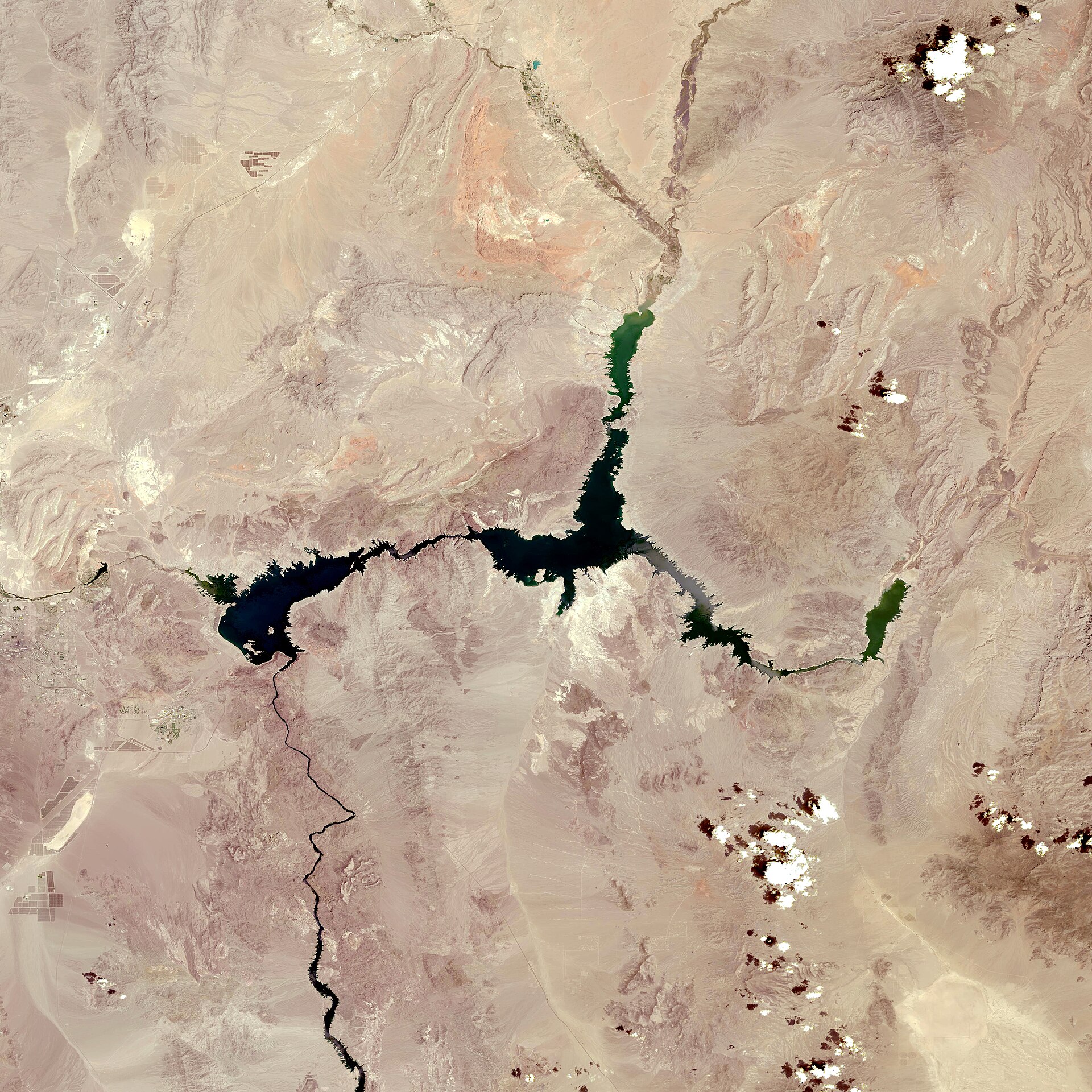
Hoover Dam was built to turn the Colorado River’s flow into dependable electricity, but dwindling water levels are reducing that power. The immediate concern is not a sudden blackout; it is a slow squeeze on a system that also serves millions of water users across the Southwest.
Hoover Dam is losing hydropower generation as the Colorado River crisis drains the water pressure needed to produce electricity at Lake Mead. The prolonged, unfolding crisis has pushed attention toward the 1,035-foot elevation mark, where the dam could lose roughly 70% of its generating capacity, raising new concerns for hydropower customers and the regional electric grid in the western United States.
This is not an overnight failure. It is the slowest-moving kind of infrastructure emergency: less water in the Colorado River Basin means less power from Hoover Dam, while the same shrinking supply must still support cities, farms and downstream commitments.
Water height is power
Hydropower depends on more than the amount of water stored behind a dam. It also depends on elevation. Water released from Lake Mead passes through Hoover Dam’s intake structures and penstocks, spinning turbines on its way downstream. The higher the reservoir sits, the more force is available to drive that process.

As Lake Mead drops, the turbines have less hydraulic head, the engineering term for the pressure created by water’s vertical drop. The dam can still generate electricity at lower levels, but it does so less efficiently and with less total output.
That distinction matters. Hoover Dam is not simply either “on” or “off.” Its output declines in stages as the reservoir falls, turning a water-supply problem into a power-supply problem long before generation becomes impossible.
The 1,035-foot warning line
The 1,035-foot elevation is a critical benchmark because it is associated with a steep reduction in Hoover Dam’s generating ability. At that level, the source reporting says the dam could lose about 70% of its generating capacity.
That does not mean the lights across the Southwest would suddenly go out. Hoover Dam supplies power into a far larger Western grid that includes natural gas, solar, wind, nuclear generation and imports from neighboring regions. Utilities plan for changing supplies, and the grid has multiple sources of power.
Still, the loss would be meaningful. Hydropower is especially valuable because operators can adjust it quickly when demand rises or another power source falters. Less flexible hydropower can make hot summer afternoons, when air-conditioning demand surges, more complicated and potentially more expensive to manage.
A river system under strain
Hoover Dam sits near the downstream end of an immense, heavily managed river system. Lake Mead stores Colorado River water behind Hoover Dam, while Lake Powell, held by Glen Canyon Dam upstream, is another major reservoir in the system.
The two reservoirs are often discussed together because their levels reflect a shared imbalance: years of demand have been built around a river whose long-term flows have been weakened by persistent drought, hotter temperatures and dry soils that absorb snowmelt before it can reach streams.
The Colorado River system serves roughly 40 million people and supports substantial agricultural production across seven U.S. states, tribal communities and Mexico. That is why the power issue cannot be separated from the fight over water. Every decision about reservoir releases can affect both electricity production and water deliveries.
The Bureau of Reclamation has spent recent years using conservation agreements and operating rules to protect reservoir levels. Those measures can buy time, but they do not erase the underlying challenge: the river’s users must adapt to less reliable runoff in a warming basin.
Why Hoover’s decline matters
For customers that receive Hoover Dam power, lower generation can mean replacing a portion of that electricity from elsewhere. Depending on market conditions, replacement power may cost more or come with higher emissions than hydropower.
There is also a reliability question. Hydropower can ramp up rapidly, making it useful as a balancing resource when solar output fades in the evening or wind generation changes. A smaller Hoover Dam contribution does not automatically create a grid crisis, but it reduces one of the region’s long-standing tools for meeting sudden swings in demand.
Some observers emphasize the system’s resilience: the West has diversified its power supply considerably since Hoover Dam became an icon of New Deal engineering. Solar and battery storage are expanding, and grid operators have experience managing changing conditions.
Others see that reassurance as incomplete. New renewable generation helps replace energy over time, but it does not solve the water-management dilemma, and not every replacement resource offers the same ability to respond instantly. The concern is cumulative: lower hydropower arrives alongside extreme heat, high electricity demand and ongoing pressure on water supplies.
Lake Powell adds another risk
The threat is not limited to Lake Mead. Upstream at Lake Powell, Glen Canyon Dam faces its own critical elevations. Its minimum power pool is 3,490 feet above sea level, the point below which water can no longer move through the dam’s power-generating penstocks.
Reporting on the Colorado River crisis has focused on how close Lake Powell has come to that threshold. If power production at Glen Canyon were constrained, managers would face a difficult operational challenge: releasing enough water to meet downstream obligations while protecting the reservoir’s ability to generate electricity.
Below that level, river outlets can still release water without generating power. But those outlets were not designed to do the same work as the penstocks continuously, and operating them at extremely low levels presents engineering concerns. A still-lower “dead pool” level would leave water trapped behind the dam’s existing release structures.
Hoover and Glen Canyon are different facilities with different operating limits, but together they show why the Colorado River crisis is more than a story about a receding shoreline. Reservoir elevations determine what the region’s biggest water infrastructure can physically do.
The next decisions are difficult
The central question is not whether one good snow season can restore the old normal. A wet year can improve conditions, but long-term planning has to account for the possibility that heat and aridity will continue to reduce the river’s usable supply.
Water agencies, states, tribes, farmers, cities and federal managers remain under pressure to agree on cuts and operating rules that protect Lake Mead and Lake Powell. Those negotiations involve competing priorities: municipal water security, agricultural production, tribal water rights, environmental needs, interstate obligations and hydropower.
What remains unclear is how quickly durable agreements can match the scale of the problem. The 1,035-foot marker at Lake Mead is a reminder that reservoir management is no longer just about keeping enough water in storage. It is also about preserving the ability of major dams to do the jobs they were built to do.
Hoover Dam’s declining output is therefore less a prediction of immediate collapse than a visible measure of a longer emergency. The Colorado River can continue supporting the Southwest only if the region adjusts to the water that is actually available—not the water its infrastructure and growth were designed around decades ago.










Leave a Reply