

Federal officials say the push is about fraud, registration errors and list maintenance. The unresolved question is whether New Jersey’s problem reflects administrative failure, criminal conduct or both.
The Justice Department is targeting New Jersey voting-roll or voter-registration errors, and the federal government says the Trump DOJ vows to pursue “every single” voting violation after a reported roll shocker involving about 400 records. On July 23, 2026, the dispute over election integrity in New Jersey widened as U.S. Attorney Alina Habba in Newark, N.J., pointed to a federal Election Integrity Task Force of federal prosecutors working with the FBI and Department of Homeland Security, tied to President Trump’s March 25, 2025 executive order and a March 6, 2026 voter-information fight.
The political charge is obvious. The legal question is narrower: whether the New Jersey problem shows ordinary voter-list maintenance trouble, enforceable violations of federal election law, or evidence of criminal misconduct.
New Jersey becomes the test case
The Justice Department’s New Jersey move is not just a local records fight. It is an early example of how the Trump administration is trying to turn election-integrity claims into coordinated federal enforcement.
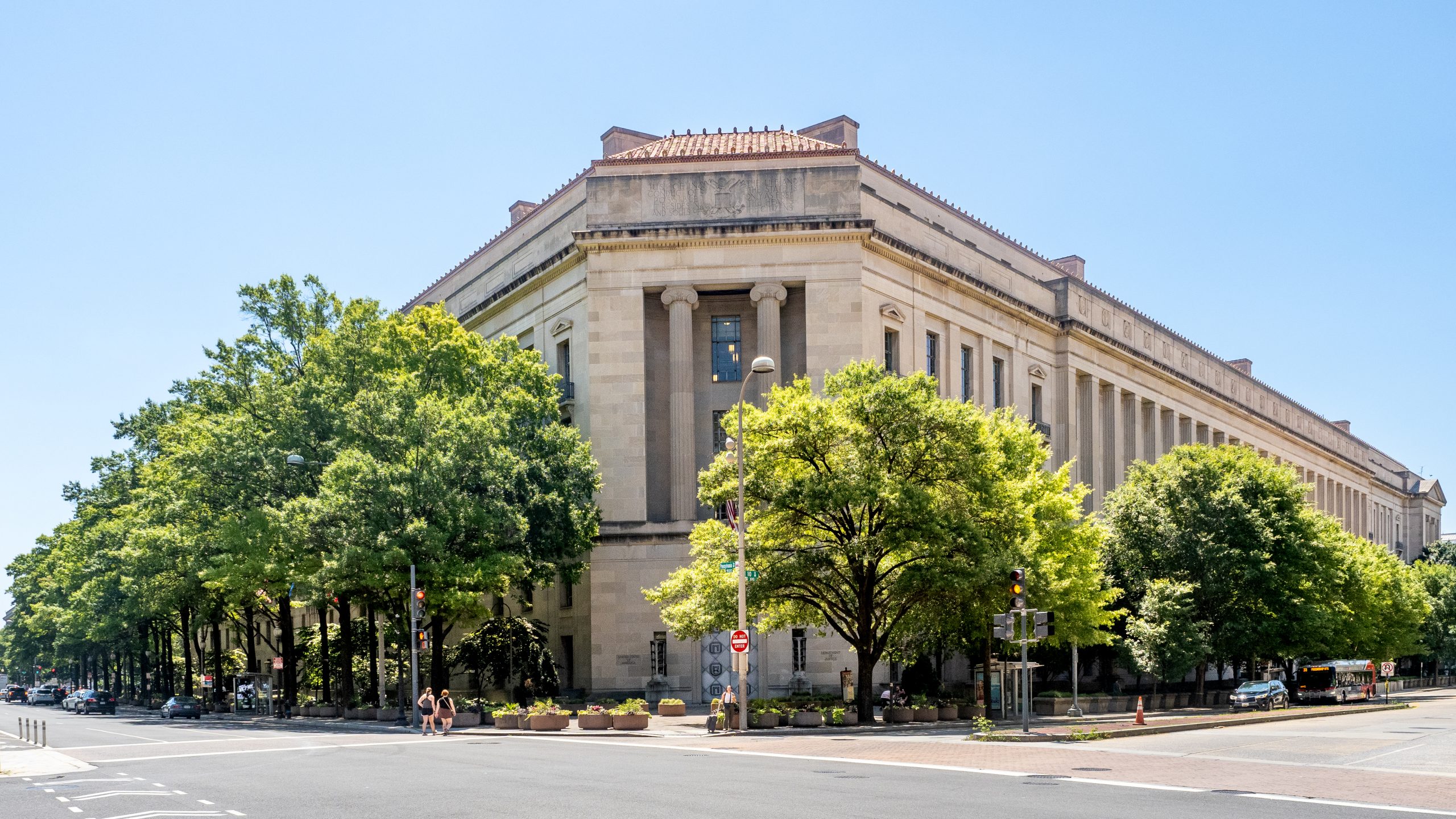
According to the U.S. Attorney’s Office for the District of New Jersey, Habba announced the creation of an Election Integrity Task Force in Newark to preserve and protect elections in the district. The office said the task force will include federal prosecutors and work with the FBI, DHS and other federal agencies.
The timing matters because the reported New Jersey voter-roll issue involving about 400 records gives the federal effort a concrete target. A number that size is small compared with a statewide electorate, but large enough to become politically explosive when tied to voter registration, eligibility or ballot access.
That is why the distinction between an error and a crime matters. A bad record can be a clerical mistake, a database mismatch, a delayed update or something more serious. Federal prosecutors must prove the difference before “election integrity” becomes a criminal case.
What Habba’s task force says it will do
The Justice Department announcement lays out three broad lanes for the New Jersey task force.
- Improve information sharing between federal, state and local officials so election administrators can remove ineligible people from voter lists when the law allows it.
- Prioritize investigations and prosecutions of election crimes, including voter-registration fraud, fraudulent ballots, noncitizen voting, multiple voting in the same election and foreign interference through unlawful contributions.
- Take steps to ensure compliance with voter-list maintenance requirements under the National Voter Registration Act and the Help America Vote Act.
Those categories cover both paperwork and prosecution. List maintenance is often administrative. Fraud cases require evidence of intent, identity, timing and conduct.
Habba’s office said federal partners are committed to ensuring elections in New Jersey comply with federal law and that the task force will “vigorously pursue” people who violate or attempt to violate election laws. That language is strong, but it does not by itself establish that the 400-record issue involved fraud.
The voter-information fight underneath
The March 6, 2026 voter-information dispute is central because federal election enforcement often begins with records: registration rolls, citizenship or residency indicators, ballot histories, address changes and communications between election offices.
States run elections, but federal law sets rules in several areas. The Justice Department can enforce statutes covering voting rights, voter intimidation, registration fraud, ballot fraud, campaign-related foreign influence and certain list-maintenance obligations.
New Jersey’s position in the dispute is not fully resolved in the available federal materials. What remains unclear is whether state officials view the DOJ request as routine oversight, an overbroad demand, a privacy concern or a politically driven escalation.
That uncertainty is part of the story. Voter rolls are not static lists. People move, die, change names, become eligible, become ineligible, miss notices or are affected by data-entry errors. Clean rolls are a legitimate goal, but aggressive purges can wrongly remove eligible voters if safeguards fail.
Why 400 records carry political weight
In election fights, numbers can be misleading without context. Four hundred problematic records could represent a serious administrative breakdown in one county or office. It could also be a tiny fraction of a statewide system that processes millions of voter records.
The public stakes are bigger than the number. Election officials need accurate rolls so ineligible votes are not cast. Voters need protection from wrongful removal, confusing notices or last-minute challenges that block lawful participation.
That tension is why federal intervention can draw sharply different reactions. Supporters of the DOJ push argue that every improper registration or unlawful ballot weakens trust and should be pursued. Critics worry that sweeping “integrity” campaigns can blur the line between preventing fraud and intimidating voters or pressuring state election offices.
The Justice Department’s own Civil Rights Division describes election-integrity enforcement as a joint initiative with DHS. The department’s public framing emphasizes free, fair and honest elections free from fraud, errors or suspicion. The hardest part is enforcing that goal without treating suspicion as proof.
Federal law cuts both ways
The National Voter Registration Act and the Help America Vote Act are often invoked in these fights because they require states to maintain accurate voter lists while also protecting eligible voters from improper removal.
That balance is not a technicality. If a state leaves obviously ineligible names on the rolls, it can fuel distrust and invite federal scrutiny. If a state removes eligible voters based on flawed matching or rushed procedures, it can violate voter protections and create a different kind of election failure.
The DOJ task force’s reference to noncitizen voting, multiple voting and fraudulent ballots signals a prosecutorial posture. But criminal election cases are usually fact-intensive. Prosecutors need more than a messy spreadsheet; they need evidence that a person knowingly broke the law.
For New Jersey residents, the practical impact may be felt less in speeches than in mailers, registration checks, requests for documents or communications from local election offices. Voters who receive confusing registration notices should verify their status through official state or county election channels rather than relying on social media claims.
What remains unresolved
The next phase depends on whether the Justice Department obtains the voter information it wants, what the records show and whether investigators identify actual violations. A task force can open channels and set priorities, but charges require evidence.
Several questions remain open: What exactly caused the roughly 400-record problem? Were eligible voters affected? Did any ineligible person cast a ballot? Did state or local officials correct the records? Has New Jersey challenged the scope of federal requests?
The DOJ has also invited election-crime complaints through the U.S. Attorney’s Office hotline and the FBI’s tips portal. That can surface legitimate leads, but it can also generate politically charged claims that investigators must sort carefully.
The clean takeaway is this: New Jersey has become a proving ground for the Trump DOJ’s election-integrity crackdown. The federal government says it will pursue violations aggressively. Whether this episode becomes a fraud case, a records-management dispute or a broader federal-state clash is still not settled.





Leave a Reply