
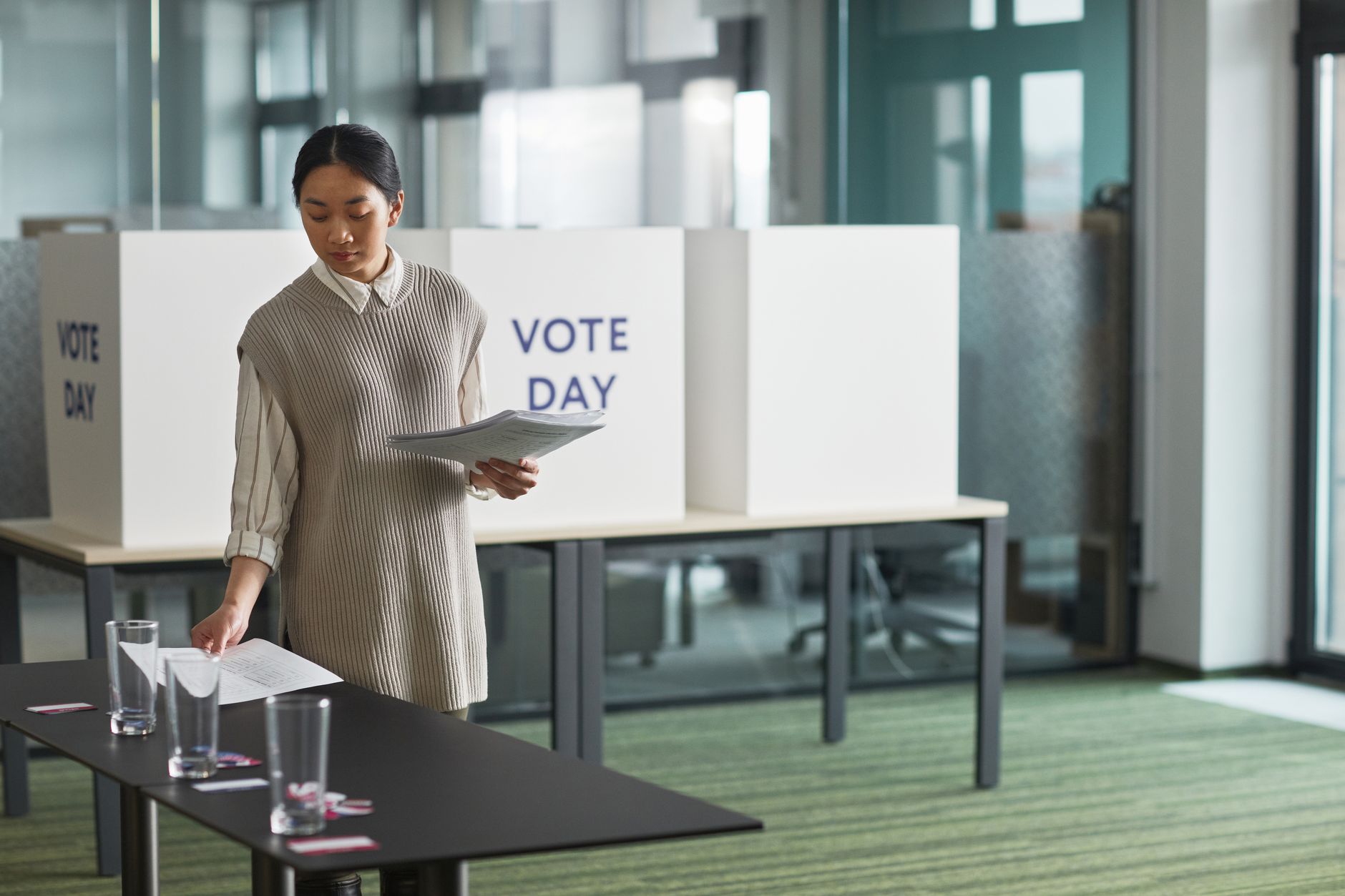
The warning lands in a charged election climate where states say they already police eligibility and federal demands for voter data have faced legal resistance.
The Trump administration has moved a fight over voter rolls into sharper territory: possible criminal liability for election officials.
Letters from the Justice Department to election officials in all 50 states and the District of Columbia warn that officials could face consequences if noncitizens are kept on voter lists or helped to cast ballots, according to reporting by The Guardian. The message is being received by some state officials less as routine compliance guidance than as intimidation.
A warning sent nationwide
The Justice Department confirmed that it sent letters asking states for what it called voluntary, timely compliance with federal law to ensure that only citizens vote in federal elections.

The letters cite election-related statutes and spell out the possibility of criminal charges. According to the reported text, an election officer who “knowingly retains noncitizens” on state voter rolls or “facilitates noncitizens in receiving and casting ballots” could face criminal liability.
Harmeet K. Dhillon, who leads the Justice Department’s civil rights division, wrote that states should contact the department to discuss what steps they should take to maintain clean voter lists as required by law.
The letters also ask states to respond within five days and say how they will ensure compliance with federal law, as well as how the department can assist.
Why the language matters
Noncitizens are already barred from voting in federal elections. That is not the disputed point.
The fight is over how aggressively the federal government can push state election offices, how much voter data it can demand, and whether criminal-warning language changes the practical pressure on officials who run elections under state law.
Election administration in the United States is highly decentralized. States and local jurisdictions register voters, maintain voter rolls, run polling places, process ballots and certify results. The federal government has authority over certain civil rights and election-law protections, but it does not directly run most elections.
That division is why the letters are landing with force. A federal reminder about eligibility rules is one thing. A nationwide warning that local or state officials could face criminal charges is another.
States push back quickly
Some state election leaders have responded with open frustration.
Deidre Henderson, Utah’s Republican lieutenant governor and top elections official, wrote on Threads that she had received a federal “love letter” that was, in her words, “sprinkled throughout with threats of criminal prosecution.”
Henderson said she believed state election chiefs were being targeted for following state and federal law while resisting Justice Department demands for private voter data that courts have repeatedly blocked. She called the posture “truly bizarre behavior” from an agency meant to protect civil rights.
Arizona Secretary of State Adrian Fontes, a Democrat, said it was insulting to suggest election officials were not properly maintaining voter lists. He said Arizona officials take their oaths seriously and would continue following Arizona law rather than political rhetoric or intimidation.
The voter fraud claim beneath it
The Trump administration and the president himself have repeatedly claimed, without evidence, that large numbers of noncitizens are affecting U.S. elections.
Documented cases of noncitizen voting do occur, but research and official reviews have not shown that noncitizens vote in large numbers or decide federal elections. State election offices also routinely remove people from voter rolls when they die, move, are duplicated in records or become otherwise ineligible.
That maintenance process can be slow and imperfect, partly because voter databases depend on records from several agencies. But imperfection is not the same as proof of mass illegal voting.
The legal word doing heavy lifting in the Justice Department warning is “knowingly.” Criminal liability generally requires more than an administrative mistake or a database lag. The concern from state officials is that the threat itself may still chill election workers or be used to justify broader federal intervention.
A data fight is already underway
The letters do not arrive in a vacuum. The federal government has been seeking greater access to state voter-roll data, which can include sensitive personal information on millions of Americans.
States have resisted turning over that data, citing privacy rules, state law and limits on federal authority. The Guardian reported that lawsuits over those demands have not been going well for the administration, with multiple courts ruling against the federal push.
That makes the new criminal-warning letters more than a paperwork request. They are part of a wider struggle over who controls election records, who defines adequate roll maintenance and how much pressure Washington can place on officials in state-run systems.
For election administrators, the timing matters too. Threats of prosecution can make routine decisions feel legally risky, especially for county and municipal workers who are already operating under heightened scrutiny and, in some places, harassment.
What happens next
The immediate next step is the five-day response window. States will have to decide whether to answer cooperatively, challenge the letters, provide limited information or refuse broader requests tied to voter data.
The Justice Department could follow with additional demands, lawsuits or investigations. States could also ask courts to block requests they view as unlawful or intrusive.
The bigger question is whether the warning changes election practice or mainly escalates political tension. Federal law clearly bars noncitizens from federal voting. State officials say they already enforce that rule. The unresolved fight is whether the administration can turn suspicion about voter rolls into a broader federal enforcement campaign.
For voters, the practical takeaway is simple but important: eligibility rules are not new. The pressure campaign around them is. And as the 2026 election cycle intensifies, the people who run elections are now being told that mistakes, or what Washington frames as failures, could carry criminal consequences.





Leave a Reply