
Trump’s remarks put a kitchen-table cost at the center of a high-stakes foreign-policy argument. The immediate question is how long motorists may be asked to absorb higher fuel prices—and whether the strategy changes conditions around Iran.
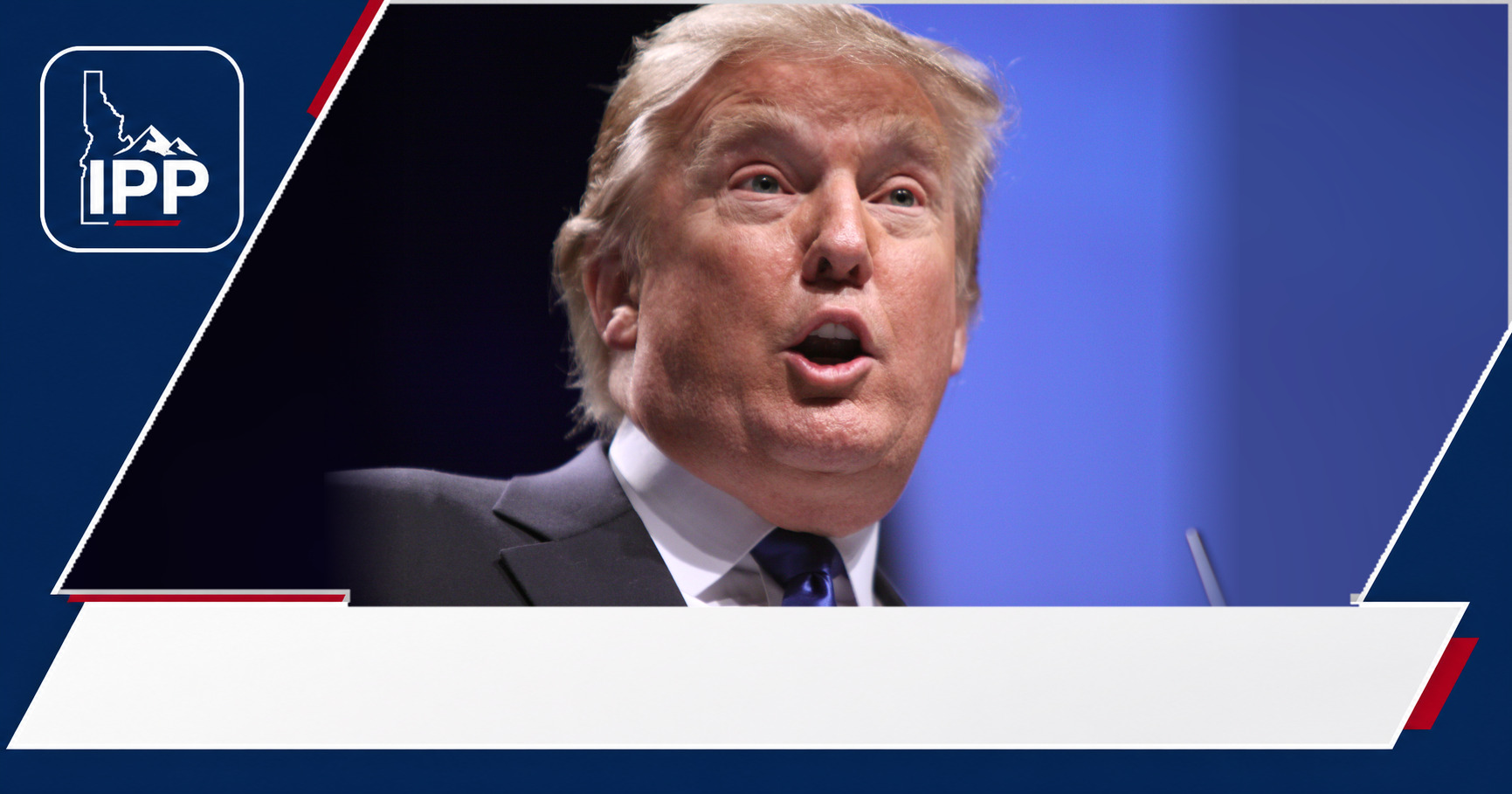
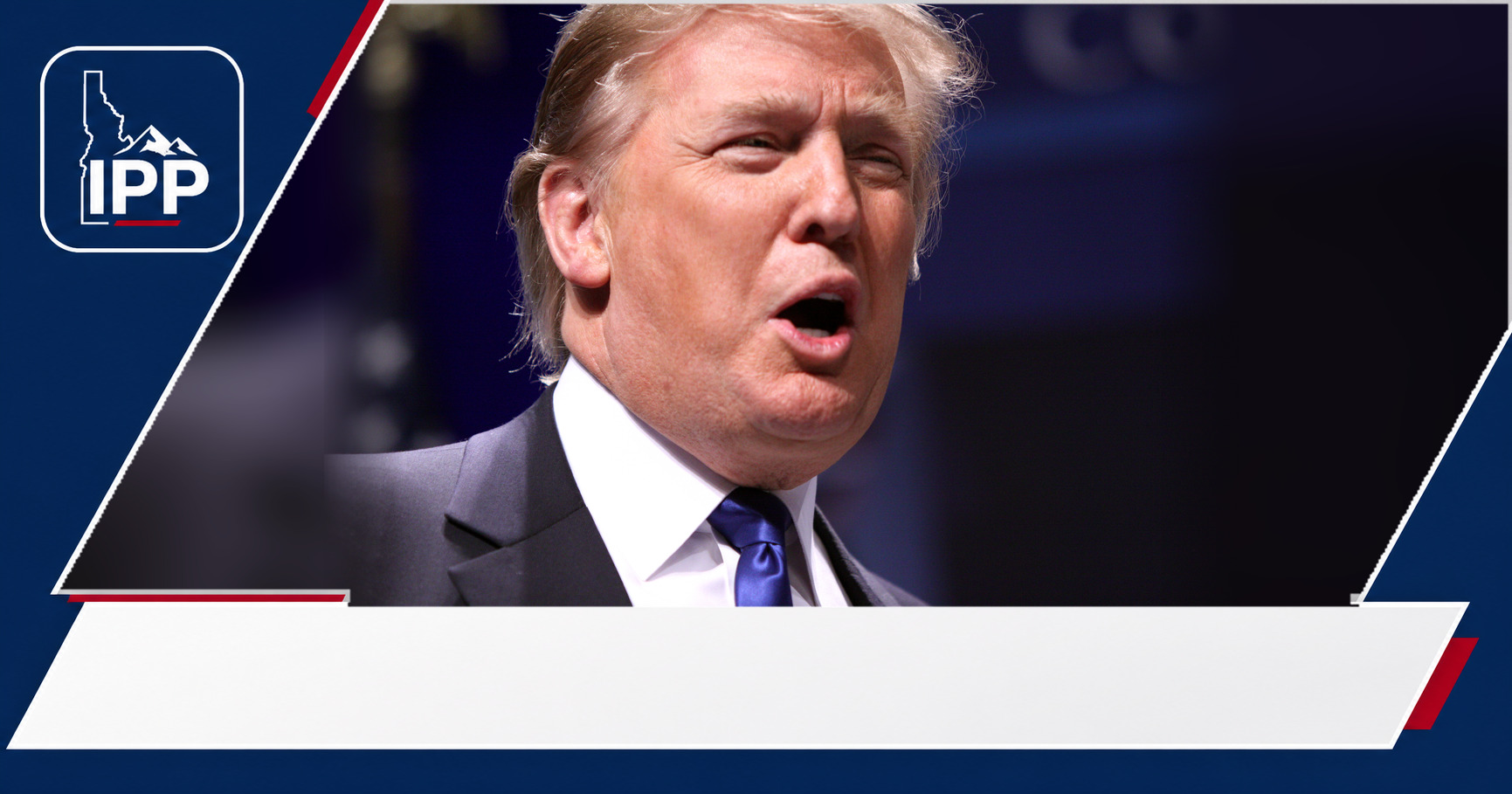
Donald Trump urged Americans to accept higher gas prices on Friday as he escalated rhetoric about Iran, framing pricier gasoline as a cost of preventing Iran from obtaining a nuclear weapon. The remarks connect an everyday expense at U.S. pumps to a far larger confrontation involving Iran—and make clear that Trump is asking the public to weigh fuel bills against his stated national-security goal.
Reuters reported Trump’s appeal but did not detail in the available account what specific new step, deadline or policy he tied to the warning. That gap matters: gasoline prices can move rapidly on fears of disrupted oil supply, yet consumers and markets need more than rhetoric to judge how lasting any increase could be.
Gas prices become a policy argument
Presidents often get credit or blame for the price displayed on a service-station sign, even though crude-oil markets, refinery operations, seasonal demand, taxes and local supply constraints all play a role. Trump’s Friday message takes a more explicit approach: higher prices, in his view, are a burden Americans should accept in pursuit of a security objective.
That is a politically consequential framing. Rather than arguing that prices are falling or outside Washington’s control, Trump is presenting a potential increase as a trade-off. It asks Americans to see part of their household transportation cost through the lens of Iran policy.
The argument may resonate with people who view preventing a nuclear-armed Iran as an overriding priority. It will be harder to accept for households already stretched by commuting costs, delivery fees and the way fuel prices can feed into the price of goods and services.
Why Iran can affect the pump
Iran matters to global energy markets not simply because it is an oil producer, but because tensions in and around the Middle East can alter expectations about supply and shipping. Traders react not only to barrels that are already unavailable, but also to the perceived risk that production, transport routes or insurance costs could be disrupted.
Oil is priced in a global market. A supply concern abroad can therefore raise the cost of crude used by U.S. refiners, even though the United States is a major energy producer. What drivers ultimately pay also depends on refinery capacity, the blend of gasoline required in a given region and the margin between crude and retail fuel prices.
That means there is no automatic one-to-one relationship between tougher Iran policy and a particular national average at the pump. Nor is every price increase evidence of a policy decision. But geopolitical risk can raise costs quickly, especially when traders believe a conflict could interrupt a major supply route.
Trump’s claim carries real stakes
The central point in Trump’s comments is not merely economic. Reuters said he described slightly higher gasoline prices as the price of stopping Iran from acquiring a nuclear weapon. The statement links a domestic affordability concern to an objective that U.S. leaders of both parties have treated as a major security issue.
Supporters of a firmer approach toward Tehran can argue that deterrence, sanctions or other pressure may carry economic costs but could reduce a more dangerous long-term risk. In that view, short-term pain at the pump is preferable to the consequences of Iran gaining a nuclear weapon.
Critics can make the opposite case: heightened rhetoric and policies that elevate regional tensions may themselves push energy costs higher, while making diplomacy more difficult. They may also question whether consumers are being asked to bear costs without a clear explanation of how the policy would achieve its stated aim.
Both positions depend on facts that were not spelled out in the available Reuters report: what Trump plans to do, how Iran would respond, what allies would support and whether the strategy offers a credible route to reducing nuclear risk.
Higher fuel costs spread outward
Gasoline is the most visible fuel expense for many households, but higher energy costs do not stay confined to personal vehicles. Trucking, aviation, shipping and farm operations all depend heavily on fuel, so sustained increases can work their way into the prices of food, travel and everyday purchases.
The effect is uneven. A worker with a long commute, a family in an area with limited public transit or a small business operating vehicles can feel a price change more sharply than someone who drives less. Regional differences in fuel taxes, distribution systems and competition also mean two drivers may experience the same national market differently.
For that reason, describing price increases as “slight” does not settle the political or household question. The impact depends on the size and duration of the increase, and on whether other costs are rising at the same time.
What Trump did not clarify
Reuters’ brief report establishes Trump’s core message: Americans should accept higher gasoline prices as part of preventing Iran from obtaining a nuclear weapon. It does not, in the material available here, provide a target price, a forecast for how long costs might rise, or detailed measures that would create the pressure Trump described.
It also remains unclear whether his escalated Iran rhetoric reflects an imminent policy change, a negotiating posture or a broader effort to prepare the public for the economic consequences of a tougher stance. Those distinctions could determine whether markets treat the comments as a warning of near-term disruption or primarily as political messaging.
The cleanest takeaway is that Trump has made the trade-off explicit. Iran policy is no longer being discussed only in terms of diplomacy and security; in his framing, it is also a question of what Americans may pay at the gas pump.








Leave a Reply