
The dispute is bigger than one immigration case: a federal judge’s tally frames ICE’s alleged noncompliance as a test of whether court orders constrain federal enforcement. The reported surveillance of churchgoers adds a sensitive civil-liberties dimension.
U.S. Immigration and Customs Enforcement, or ICE, violated court orders by spying on churchgoers in Minnesota, a federal judge said in a January 2026 ruling that counted 96 alleged court-order violations across 74 immigration cases. The finding matters because the judge said ICE must comply with judicial directives even when it disagrees with them.
The churchgoer surveillance allegation is one part of a broader confrontation between ICE and Minnesota federal courts. At its center is a basic legal question with unusually high stakes: whether a federal agency can continue an enforcement practice while a court’s restrictions remain in force.
Judge’s tally reaches 96 orders
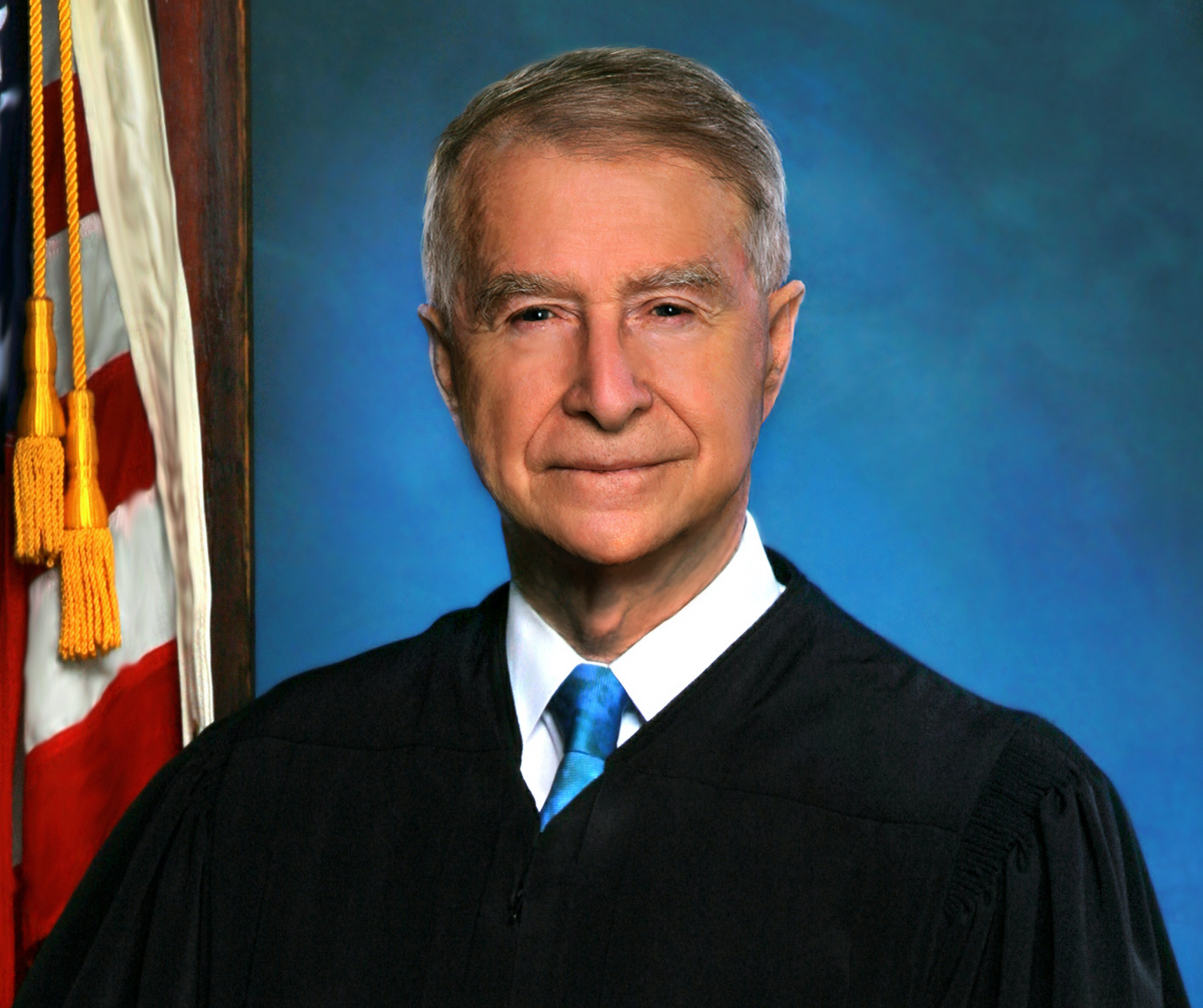
Chief U.S. District Judge Patrick J. Schiltz of Minnesota said ICE had failed to follow 96 orders issued in 74 separate immigration cases since Jan. 1, according to a ruling reported by The New York Times.

Schiltz said the tally was likely incomplete. The list, he wrote, had been assembled quickly by judges handling heavy caseloads, meaning it could understate the number of potential violations rather than settle every factual dispute surrounding them.
That distinction matters. A judge’s finding or preliminary accounting is not the same as a final criminal determination against individual agents. Still, court orders are binding unless they are stayed, overturned or vacated by a court with authority to do so.
Schiltz’s message was blunt: ICE can challenge an order through the legal process, but it cannot simply disregard one while that challenge is pending.
Why church surveillance changes the stakes
The reported spying on churchgoers gives the dispute a dimension beyond ordinary procedural friction. Houses of worship are places where people gather for religious practice, pastoral support, family connections and community services, including services often relied on by immigrant families.
Allegations of government surveillance connected to religious attendance can raise concerns about the free exercise of religion, associational privacy and whether people may be chilled from participating in community life. Those concerns do not depend on a person’s view of immigration enforcement itself.
The available reporting does not detail the full scope of the alleged surveillance, which churchgoers were affected, or the precise wording of the relevant court restrictions. Those facts would be crucial to assessing exactly what conduct the court found improper and what remedy might be available.
For now, the judge’s broader point is clearer than the operational details: enforcement activity remains subject to judicial limits, including when it intersects with sensitive places and protected forms of association.
Schiltz paused a contempt showdown
The ruling came after Schiltz had ordered Todd Lyons, ICE’s acting director, to appear and explain why he should not be held in contempt over the alleged pattern of noncompliance. Contempt is one of the tools courts can use to enforce their orders.
Schiltz later temporarily withdrew that appearance order. That did not amount to a clean bill of health for ICE. The judge warned that he could require Lyons to return if violations continued.
That procedural choice shows the court balancing two aims. Judges may seek fast compliance and a clear record before escalating sanctions, while agency leaders may argue that operational complexity, rapid changes in enforcement activity or disputes over an order’s meaning complicate compliance.
But complexity is not a general exemption from an injunction or other directive. When an agency believes an order is wrong, the conventional route is to seek clarification, a stay or an appeal—not to make its own final judgment about whether the order applies.
Compliance is the core legal issue
The dispute is not simply about whether ICE should pursue immigration enforcement in Minnesota. Federal agencies are empowered to enforce laws, and administrations of both parties have defended the need to carry out immigration rules.
The legal issue identified by Schiltz is narrower and more fundamental: what happens when the executive branch’s enforcement priorities collide with a court order in a particular case. The judiciary’s ability to issue enforceable rulings depends on litigants, including the federal government, following them.
Schiltz, a conservative jurist appointed by President George W. Bush, emphasized that principle in language aimed beyond the immediate political fight. He wrote that ICE was not “a law unto itself” and said the matter should concern anyone who cares about the rule of law.
ICE and its supporters could contend that the agency is operating under intense pressure and that individual cases should be evaluated on their own facts. Civil-liberties advocates, meanwhile, are likely to see the reported volume of violations as evidence that court supervision needs to become more forceful.
Minnesota cases could bring new scrutiny
The next question is whether the court will identify additional violations, order further explanations from ICE leadership or impose more concrete measures to ensure compliance. Those could include clearer reporting requirements, expedited hearings or renewed contempt proceedings, depending on the cases and the judge’s findings.
Not every alleged violation will necessarily produce the same outcome. Courts generally look closely at the exact language of an order, what officials knew, what actions were taken and whether noncompliance was deliberate, avoidable or promptly corrected.
The 96-order figure nevertheless gives this dispute unusual weight. It suggests the court is looking at a pattern across cases rather than an isolated misunderstanding, which can influence how aggressively a judge chooses to oversee an agency’s future conduct.
For Minnesota residents, immigrant communities and religious congregations, the practical issue is immediate: court protections have value only if people can rely on the government to honor them while challenges are litigated.
A test of judicial authority
ICE’s alleged surveillance of churchgoers and the judge’s count of 96 court-order violations are now linked by a wider question of public trust. Immigration enforcement is politically contested, but the obligation to obey a valid court order is not optional for either private litigants or federal agencies.
The record described so far leaves open important questions about individual incidents and eventual remedies. What is not unclear is the warning from the Minnesota bench: continued defiance of court orders could bring ICE leadership back before the court and deepen an already serious institutional clash.


![Marine Corps Major in dress white uniform, W[orld] W[ar] II (LOC)](https://idahopublicpress.com/wp-content/uploads/2026/08/trendwire-rqctqy63-featured-tn5nyr2x.jpg)



Leave a Reply