
The ruling did not erase the case, but it changed the legal terrain. Lower courts must now sort Trump’s alleged conduct into official, presumptively immune and private categories before any trial path is clear.
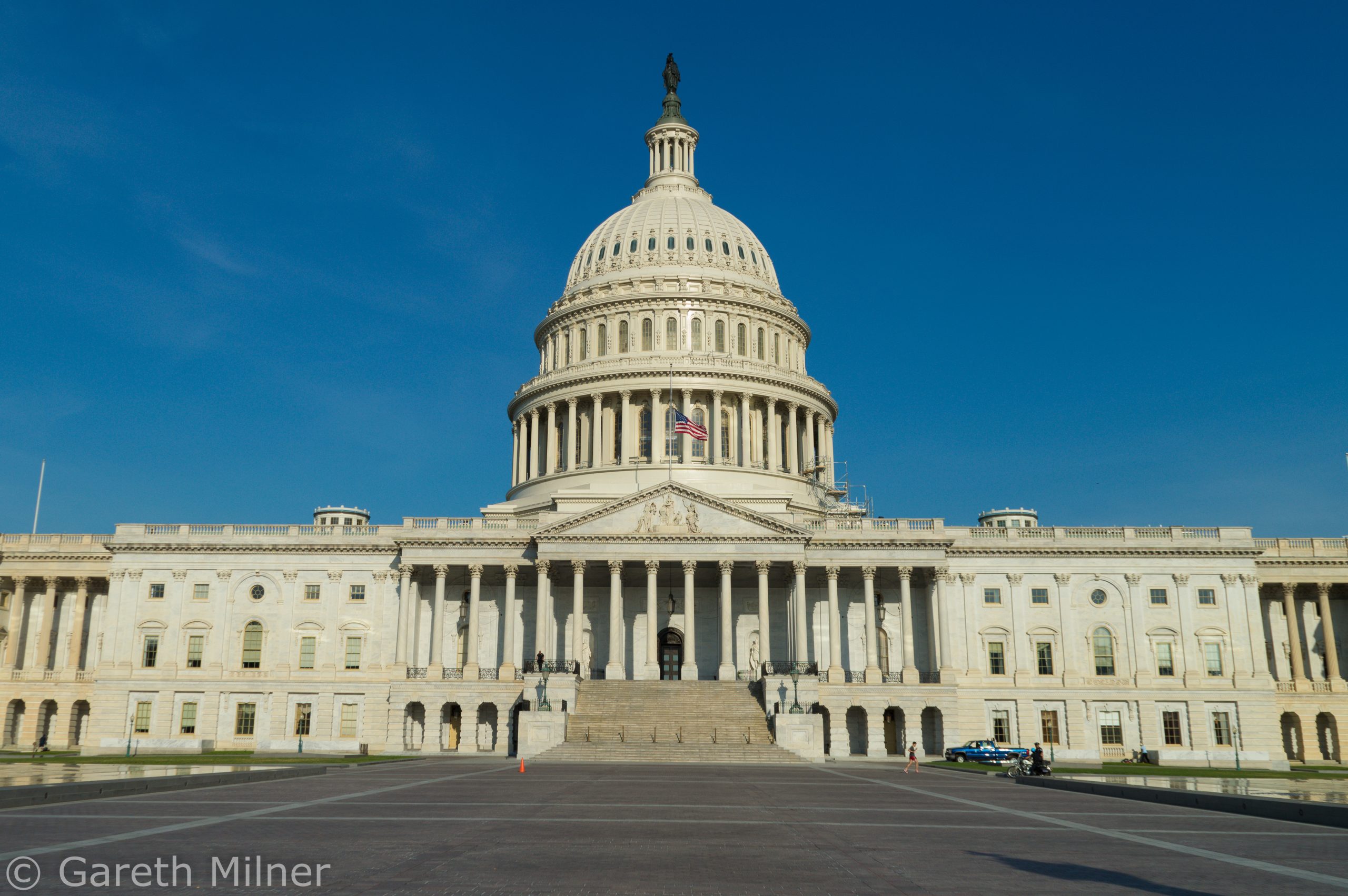
The Supreme Court sent a Trump election case back for further proceedings. The Court narrowed the path forward in the case, remanding Donald Trump’s federal 2020 election prosecution to lower courts after a 6-3 July 1, 2024 decision in Trump v. United States that created a new immunity framework and could limit which allegations prosecutors may use.
The immediate meaning is narrower than the politics around it: the justices did not decide whether Trump is guilty or innocent. They told lower courts to separate official presidential acts from private conduct before the case can move ahead.
The ruling did not end it
The Supreme Court’s official opinion vacated the lower appellate ruling and remanded the case for further proceedings. SCOTUSblog’s case page lists the judgment as vacated and remanded, with Chief Justice John Roberts writing for the Court.
That procedural language matters. A remand means the case goes back down, not that it disappears. But the route prosecutors must travel is now more constrained than it was before the justices took the case.
The federal indictment alleged that, after losing the 2020 election, Trump conspired to overturn the result through several streams of conduct, including pressure campaigns and claims of election fraud. Those remain allegations unless proved in court.
The Supreme Court did not test those facts at trial. It instead set rules for what kinds of presidential conduct can be prosecuted at all.
How the immunity test works
The Court created a three-part framework for criminal cases involving a former president. For actions within a president’s core constitutional powers, the majority said immunity is absolute. For other official acts, the former president has at least presumptive immunity. For unofficial acts, there is no immunity.
That framework is the reason the path is narrower. Prosecutors cannot simply present the indictment as written and let a jury decide everything. Lower courts must first classify the conduct.
The majority also limited how prosecutors may use evidence tied to official acts. The opinion said courts may not examine a president’s motives when deciding whether an official act is immune, and it restricted the use of official-act evidence to prove alleged crimes based on private conduct.
In practical terms, the case now turns on line-drawing. Was a particular conversation part of the presidency, part of a campaign, or something else? The answer could determine whether that episode can be used at trial.
Why prosecutors face limits
The most immediate obstacle for prosecutors is that some alleged conduct may be treated as protected presidential activity. The majority specifically emphasized the need to protect the executive branch from criminal prosecutions that could chill future presidents in carrying out constitutional duties.
Supporters of that approach argue the presidency requires independence. They see the ruling as a guardrail against future administrations using criminal law to punish predecessors for disputed official decisions.
Critics see a different danger. They argue the ruling makes it harder to hold a president accountable when official power is allegedly used for unlawful ends, especially in an election-related case where public office and political self-interest can overlap.
That tension is why the remand is so important. The Supreme Court did not give lower courts a simple checklist. It handed them a constitutional filter that will shape what evidence survives.
The Court split was sharp
Chief Justice Roberts wrote the majority opinion, joined in full by Justices Clarence Thomas, Samuel Alito, Neil Gorsuch and Brett Kavanaugh. Justice Amy Coney Barrett joined most of the opinion but did not join one section, giving the ruling a layered majority.
Justice Sonia Sotomayor dissented, joined by Justices Elena Kagan and Ketanji Brown Jackson. Justice Jackson also wrote separately. The dissents warned that the majority had given presidents too much protection from criminal accountability.
Barrett’s partial concurrence also matters because it signaled discomfort with part of the majority’s evidence rule. She agreed with the broad immunity framework but did not fully endorse the majority’s limits on how official-act evidence may be used.
That mix leaves lower courts with both binding rules and contested boundaries. The decision is controlling, but its application to Trump’s indictment is still open to argument.
What lower courts must sort
On remand, the lower courts must decide which allegations involve official acts, which involve unofficial acts and which fall into a gray zone requiring more analysis. That process can involve briefing, hearings and rulings before any jury hears evidence.
Several categories could become flashpoints:
- Communications with Justice Department officials, which the majority treated as closely tied to presidential authority.
- Interactions with the vice president, which may require more fact-specific analysis.
- Contacts with state officials, campaign figures or private allies, which may be argued as unofficial conduct depending on context.
- Public statements, which can straddle presidential communication and campaign messaging.
The government’s burden is heavier for official acts. If conduct is official but not within the president’s core powers, prosecutors would need to overcome presumptive immunity by showing that prosecution would not intrude on executive authority.
That is a significant hurdle, but not an automatic defeat. The majority left room for unofficial conduct to be prosecuted, and it returned the case precisely so lower courts could apply the new test.
The practical takeaway
For Trump, the ruling was a major legal victory because it narrowed the case and delayed any straightforward trial path. It gave his defense powerful arguments to exclude allegations and evidence tied to presidential duties.
For prosecutors, the ruling preserved a possible case but made it more complicated. They must now build around the immunity framework, not merely defend the indictment as a whole.
For the public, the decision is best understood as a shift in forum and rules. The Supreme Court did not resolve the election case on the merits. It changed the playing field and sent the most difficult questions back to lower courts.
The unanswered question is how much of the prosecution remains after that filtering process. The remand keeps the case alive, but on a narrower road than before.

Leave a Reply