
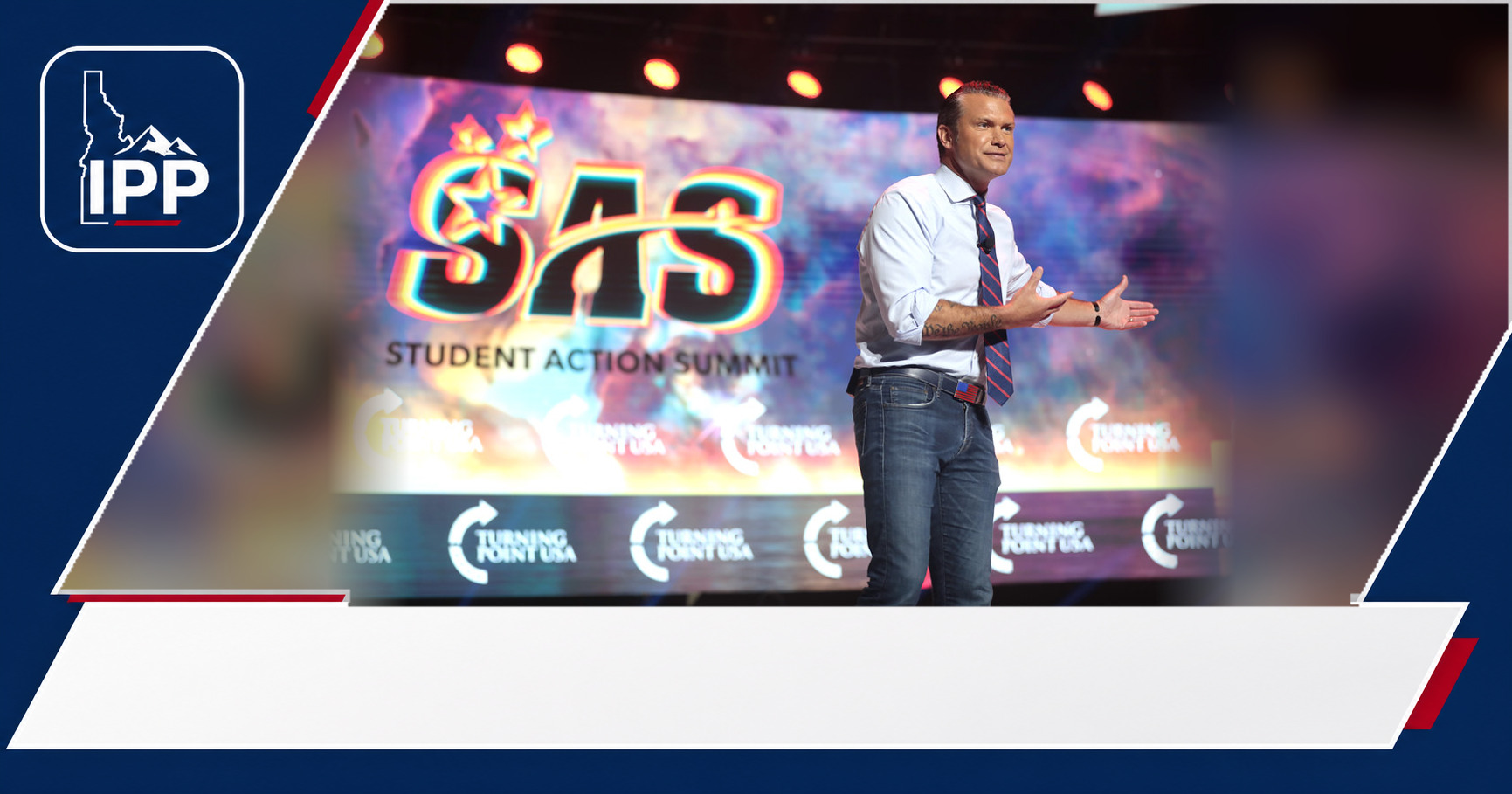
The fight around Hegseth is less about one insult than a bigger management problem: hard-line tactics can rally supporters, but they can also shrink the circle of people willing to help when trouble hits.
Pete Hegseth’s past bullying tactics are backfiring, according to a Raw Story report surfaced by MSN, which says Hegseth is seeking help he cannot get as he faces backlash over his behavior. The report frames the moment as political and professional trouble for Hegseth, with earlier hard-line moves now making support harder to find.
That matters because Hegseth has publicly sold a bruising leadership style as discipline, not dysfunction. An official transcript of his Quantico, Virginia, remarks shows him calling for a sharper warfighting culture and railing against complaints he cast as frivolous or anonymous.
The backlash is the story
The central claim in the Raw Story item is blunt: Hegseth’s “bully tactics” have come back to bite him. The report says he is now looking for help or backup but cannot secure the support he wants.

That phrase — “begging for help” — is a loaded characterization, and it should be treated as one. What is clearer is the broader political dynamic: leaders who govern through fear, public pressure or humiliation can find themselves exposed when they later need goodwill from the same institutions or people they squeezed.
Hegseth has long cultivated a combative image. Supporters often read that as strength and urgency. Critics see the same posture as intimidation, especially when paired with attacks on complaint systems and internal dissent.
The tension now is not simply whether Hegseth is tough. It is whether toughness, as he practices it, has left him with fewer reliable allies at the exact moment he needs them.
Quantico speech set the tone
An official government transcript of Hegseth’s address to general and flag officers at Quantico shows the kind of leadership language that has defined his public posture. In that speech, the transcript identifies him as “Secretary of War Pete Hegseth” and quotes him saying “the era of the Department of Defense is over.”
He told the assembled military leaders that the department’s mission was “warfighting, preparing for war and preparing to win,” describing the approach as “unrelenting and uncompromising.” The remarks were framed around urgency, lethality, discipline and culture.
That message has an obvious constituency. Many conservatives and military traditionalists have argued for years that the Pentagon became too focused on bureaucracy, social policy and risk avoidance. Hegseth’s language speaks directly to that complaint.
But the same transcript also includes language that critics are likely to seize on. The source snippet highlights references to “toxic leadership, bullying and hazing” and quotes Hegseth saying, “No more frivolous complaints. No more anonymous complaints. No more repeat complainants.”
Why complaints are flashpoints
Complaint systems inside large institutions are messy by design. Some claims are weak, duplicative or malicious. Others are the only way misconduct, retaliation or abuse comes to light.
That is why Hegseth’s anti-complaint rhetoric lands so differently depending on the audience. To supporters, it sounds like a promise to stop weaponized grievance procedures and let commanders lead. To critics, it sounds like a warning shot at whistleblowers, junior personnel and anyone who might challenge authority.
The danger for any leader is that the line between discipline and fear can blur quickly. If people believe complaints will be dismissed as “frivolous” before they are heard, they may stop raising problems through official channels. If they believe anonymous reporting is illegitimate, they may stay silent until a crisis becomes public.
That is where the Raw Story report’s framing becomes politically potent. A leader who casts internal resistance as weakness may later struggle to persuade others that his own request for help deserves sympathy.
Support has practical limits
Political support is not just applause on television or social media. It can mean public defenses from allies, quiet backing from senior officials, cooperation from career staff, patience from lawmakers or trust from people who know damaging details.
If a leader has spent months or years pressuring those groups, loyalty can become transactional. Some people may still defend him because they share his ideology. Others may decide the cost is too high, especially if they feel targeted, ignored or humiliated.
That appears to be the core implication of the report: Hegseth’s aggressive tactics may have created a deficit of trust. When he needs assistance, the reservoir is not there.
There is a competing view. Hard-line leaders often argue that resistance proves reform is working. From that perspective, backlash is not a warning sign; it is evidence that entrenched interests are being disrupted.
The missing pieces matter
The available trend signal does not establish every detail behind the Raw Story claim. It does not identify, from the extracted material, exactly who Hegseth asked for help, what form that help was supposed to take, or why it was unavailable.
Those gaps matter. A failed request for political cover is different from a failed request for institutional cooperation. A dispute with lawmakers is different from a breakdown with military leaders, staff, donors or media allies.
It is also unclear from the extracted source brief whether the backlash is tied to a single episode, an accumulation of behavior, or a broader fight over Hegseth’s approach to leadership and complaints. Each version would carry different consequences.
What is not unclear is the pattern under scrutiny. Hegseth has publicly embraced a forceful, combative model of leadership. The new report says that model is now producing consequences.
A cautionary leadership test
The larger lesson reaches beyond Hegseth. Institutions can absorb a certain amount of conflict when people believe the leader is fair, consistent and accountable. They become much less forgiving when they believe the leader uses power to punish or silence.
That is why the backlash is potentially more damaging than a typical political flap. It suggests a trust problem, not just a messaging problem.
For Hegseth, the question now is whether he can regain support without abandoning the hard-edged brand that helped define him. For his critics, the question is whether the backlash becomes a concrete accountability moment or remains another round of partisan sparring.
The clean takeaway is simple: bullying can look like command until the people being commanded are the ones a leader needs. The Raw Story report says that is the bind Hegseth now faces.










Leave a Reply