
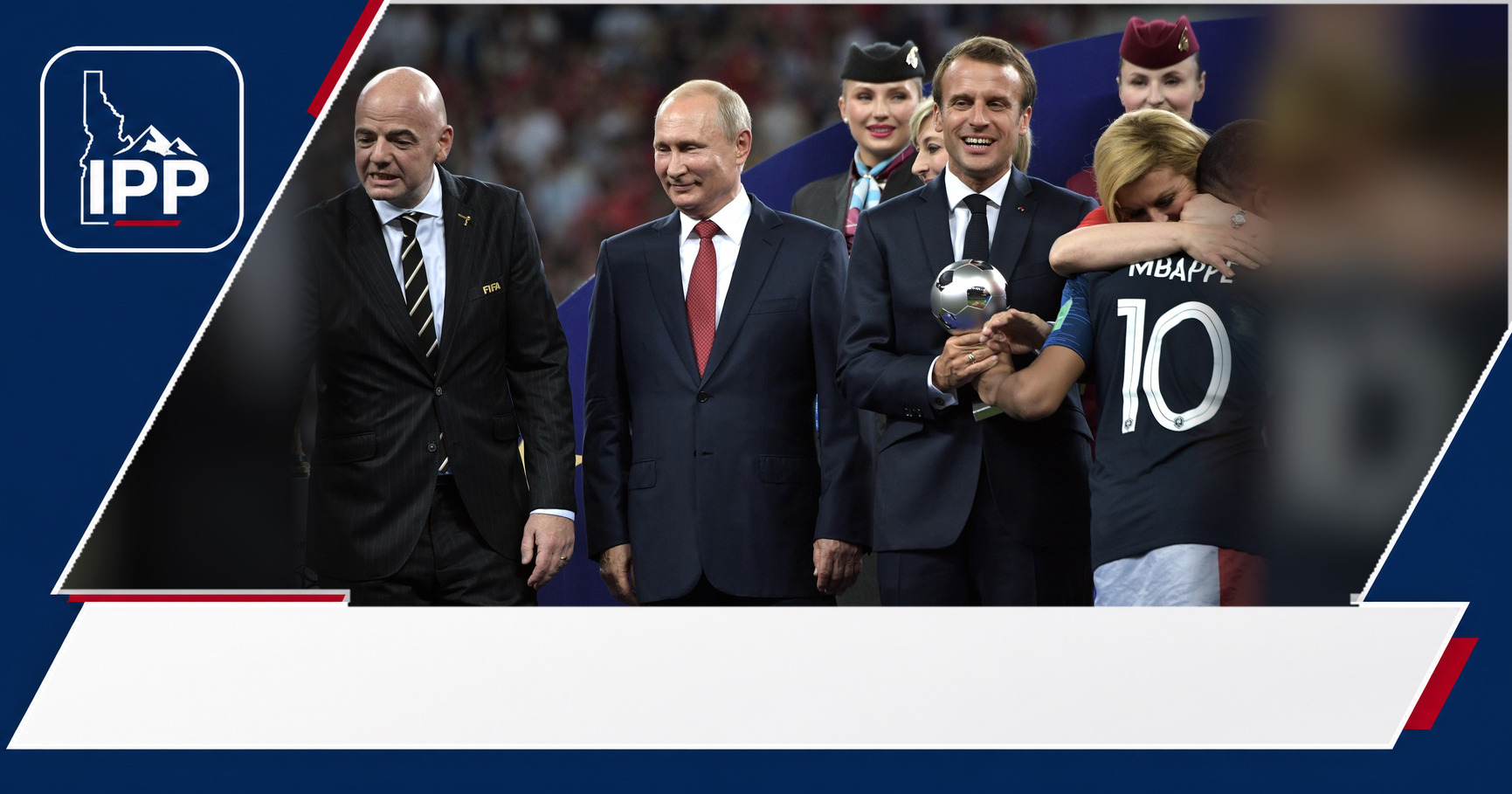
France’s captain did not dress up the disappointment after another deep run ended short of the trophy. His response matters because Mbappé is no longer just the star of the team — he is the voice expected to explain it.
Kylian Mbappé makes an emotional public statement about the World Cup, and Mbappé reacts to France’s World Cup exit after the national team’s semifinal loss to Spain. The France captain’s World Cup statement matters because his words now double as both a personal reaction and a leadership signal for a team that expected more.
Mbappé opened up with a blunt assessment, according to Reuters, calling France “sloppy” after the defeat. That one word carries much of the frustration around a run that reached the last four but still ended short of the standard Mbappé and France have set.
A captain’s word choice mattered
Players often reach for safe language after elimination: pride, disappointment, lessons, moving forward. Mbappé’s reported choice was sharper. Calling France sloppy placed the emphasis not on bad luck or tournament cruelty, but on controllable mistakes.
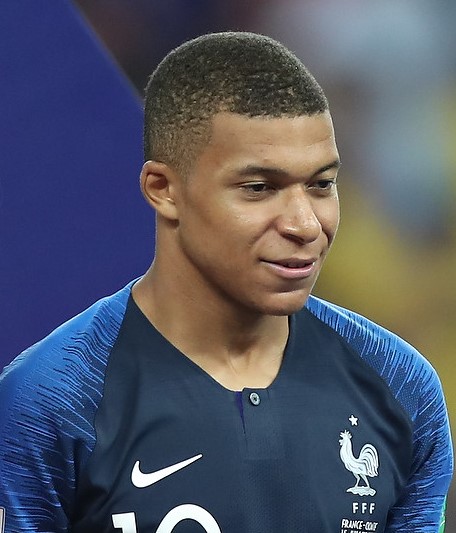
That matters because Mbappé is not a fringe voice reacting from the edge of the squad. He is France’s captain and its most visible player, the figure whose comments are read as a mood check for the dressing room.
There is also a balance to strike. Too much criticism can sound like blame. Too little can sound detached. Mbappé’s response landed in the middle: emotional enough to show the loss hurt, direct enough to acknowledge France did not meet its own level.
France’s exit changed the tone
A semifinal exit is not a collapse for most national teams. For France, it feels different. This is a side built around elite talent, recent tournament pedigree and the expectation that it should be in the final conversation every time.
Reuters reported that Mbappé made the “sloppy” comment after France’s semifinal loss to Spain. That detail is important because it frames the exit not as an early disaster, but as a near-miss with a painful edge.
Deep runs create their own kind of pressure. They validate a team’s quality while also making every error feel more expensive. France got close enough for the disappointment to be specific, not abstract.
Mbappé’s words reflect that tension. He was not explaining away a failed campaign from the group stage. He was reacting to the moment when a contender discovered it had not been clean enough, clinical enough or composed enough to keep going.
A tournament already carried strain
Mbappé’s World Cup was not defined only by what happened on the field. Earlier in the tournament, the Associated Press reported that he condemned racist remarks made by Paraguayan senator Celeste Amarilla after France beat Paraguay in the round of 16.
AP reported that Mbappé wrote on X that the remarks had shifted attention away from Paraguay’s players and their “historic effort” during the World Cup. The French Football Federation also denounced the comments, and French officials publicly backed Mbappé.
That episode matters here because it shows the wider load Mbappé was carrying. He was not only the forward expected to decide matches. He was also the captain responding to ugliness around the tournament and defending what his team represented.
By the time France went out, Mbappé’s public voice had already become part of the story. His post-exit statement was not a routine sound bite. It was another example of a player being asked to process sport, leadership and identity in real time.
Why this lands differently
Mbappé has lived with extreme expectation for years, but captaincy changes the way every sentence is received. A star can speak for himself. A captain is presumed to speak, at least partly, for the team.
That is why an emotional World Cup statement from Mbappé carries more than personal disappointment. It becomes a message to teammates, supporters and the French soccer public about standards. If France were sloppy, the implication is that the review cannot stop at effort or pride.
There are fair competing readings of his reaction. Some will see it as accountability from a leader unwilling to hide behind the prestige of reaching a semifinal. Others may feel the word is too broad, a diagnosis that points to mistakes without naming the deeper issues.
Both views can be true. Public comments after elimination are rarely complete explanations. They are first drafts of a reckoning, delivered while the emotional temperature is still high.
What remains unsettled for France
The harder questions come after the statement. France must sort out whether the semifinal loss was about execution in one match, tactical details across the tournament, squad balance, or a combination of all three.
Those answers will not come from one quote. They will come from the review that follows: who remains central, which younger players take on bigger roles, and whether the team’s attacking structure gives Mbappé enough support when matches tighten.
What is clear now is that Mbappé did not try to soften the exit into something it was not. France reached the late stages of the World Cup, but the captain’s reaction made plain that a semifinal is not the benchmark he is prepared to celebrate.
For France, that is both pressure and reassurance. The pressure is obvious: a team this talented will be judged by trophies. The reassurance is that its captain sounded less interested in excuses than in standards, even when the message was emotional.



Leave a Reply