
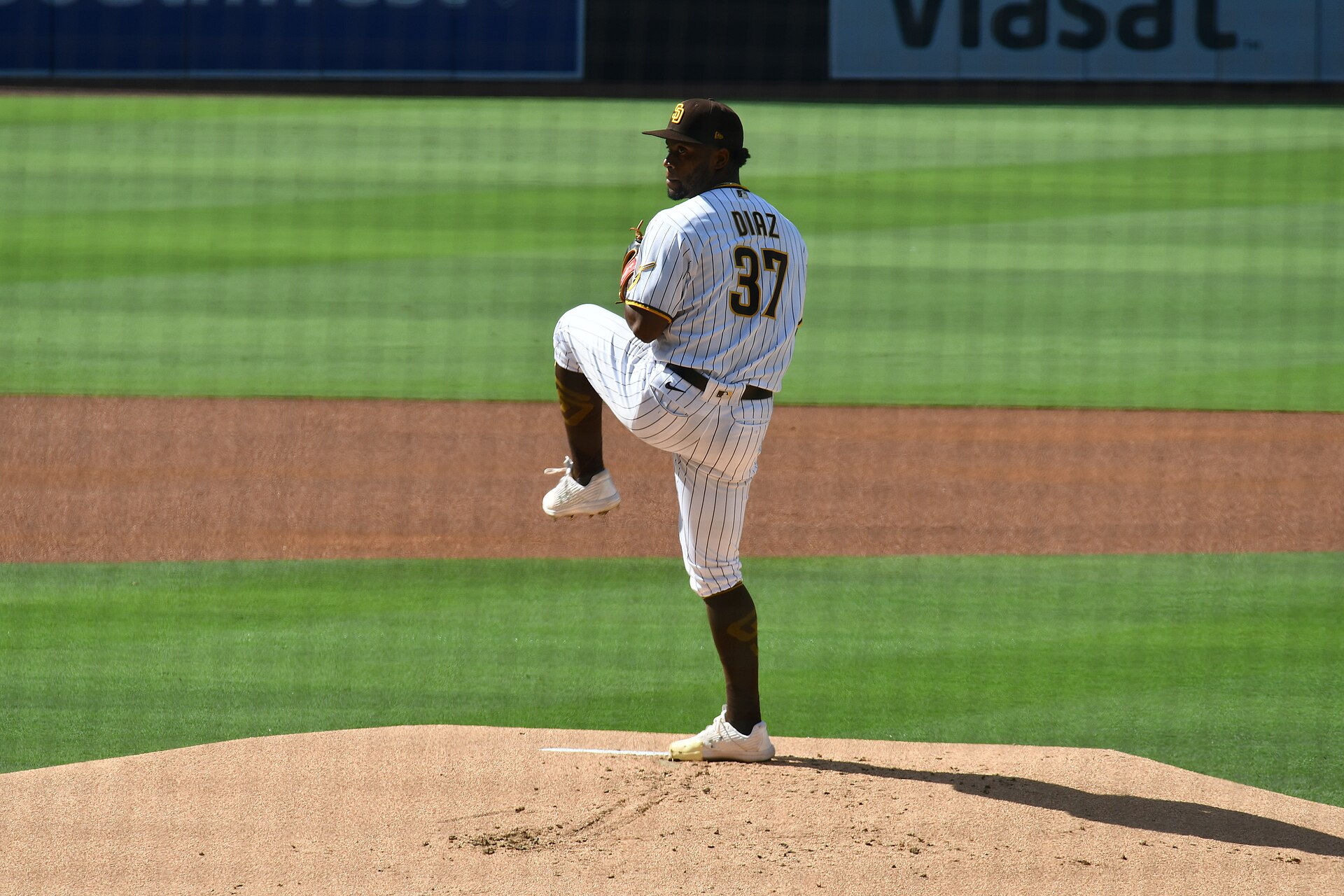
With many clubs still close enough to dream on October, the deadline may be less about full sell-offs and more about targeted fixes. Pitching, bullpen depth and a few scarce bats are shaping the market.
The MLB trade deadline is drawing near. The article covers the biggest rumors and latest trades, including which MLB teams may buy or sell before the Aug. 3 deadline and why the market looks unusually messy.
USA TODAY Sports surfaced the deadline watch as a live rumor-and-trade topic, while The Athletic reported that many front offices still see too many clubs within playoff striking distance for a clean buyer-seller split. That matters because the first real deadline story may not be who makes the splashiest deal, but who is honest enough to move early.
A deadline without clean lanes
The traditional deadline script is simple: contenders buy, losing teams sell, and everyone else tries to explain why standing still was a plan. This year’s market looks less tidy.
The Athletic’s deadline preview noted that “all but a small handful” of teams were still within reasonable range of the postseason picture. If that holds into the final days, it could make clubs reluctant to trade away veterans, especially if one hot week can change the internal math.
That is good for suspense and bad for executives who need clarity. A team that should sell may wait for one more series. A team that should buy may find fewer impact players truly available. The result can be a deadline where the rumor board is full, but completed trades arrive late and at steeper prices.
It also means fans should treat every “best fit” report carefully. A fit is not a deal. A scout match is not an offer. A front office checking in is not the same as a negotiation close to the finish line.
Pitching is setting the price
If there is one obvious theme, it is pitching. The Athletic identified starting pitching as a priority for several clubs, and that is usually where deadline prices become uncomfortable.
The Atlanta Braves were framed as a club searching for a starter strong enough to slot near the front of a postseason rotation. Names mentioned as possible targets included Tarik Skubal, Joe Ryan, José Soriano, Reid Detmers, Freddy Peralta, Sonny Gray, Sandy Alcántara, Seth Lugo, Michael Wacha and Robbie Ray.
The Chicago Cubs were also described as prioritizing starting pitching, with a more aggressive tier of targets if they believe a division push is realistic. That kind of overlap matters. When multiple contenders need the same thing, sellers do not have to rush.
Skubal’s name is the kind that can dominate deadline week even if nothing happens. Front offices often use elite names to test market ceilings. Sometimes that produces a blockbuster. More often, it shows buyers what the premium aisle costs before they turn to more realistic options.
Scarce bats complicate buyers
Position-player help may be harder to find than pitching depth. The Philadelphia Phillies were cited as needing a corner outfielder or first baseman after Adolís García’s season-ending injury, with right field described as the preference.
That is a tricky shopping list. The Athletic mentioned possibilities such as Jo Adell, JJ Bleday, Spencer Steer, Jarren Duran, Bryan Reynolds, Kody Clemens, Spencer Torkelson, Willson Contreras and TJ Rumfield, while making clear that not every name is equally realistic. Mike Trout was also referenced as highly unlikely to be traded.
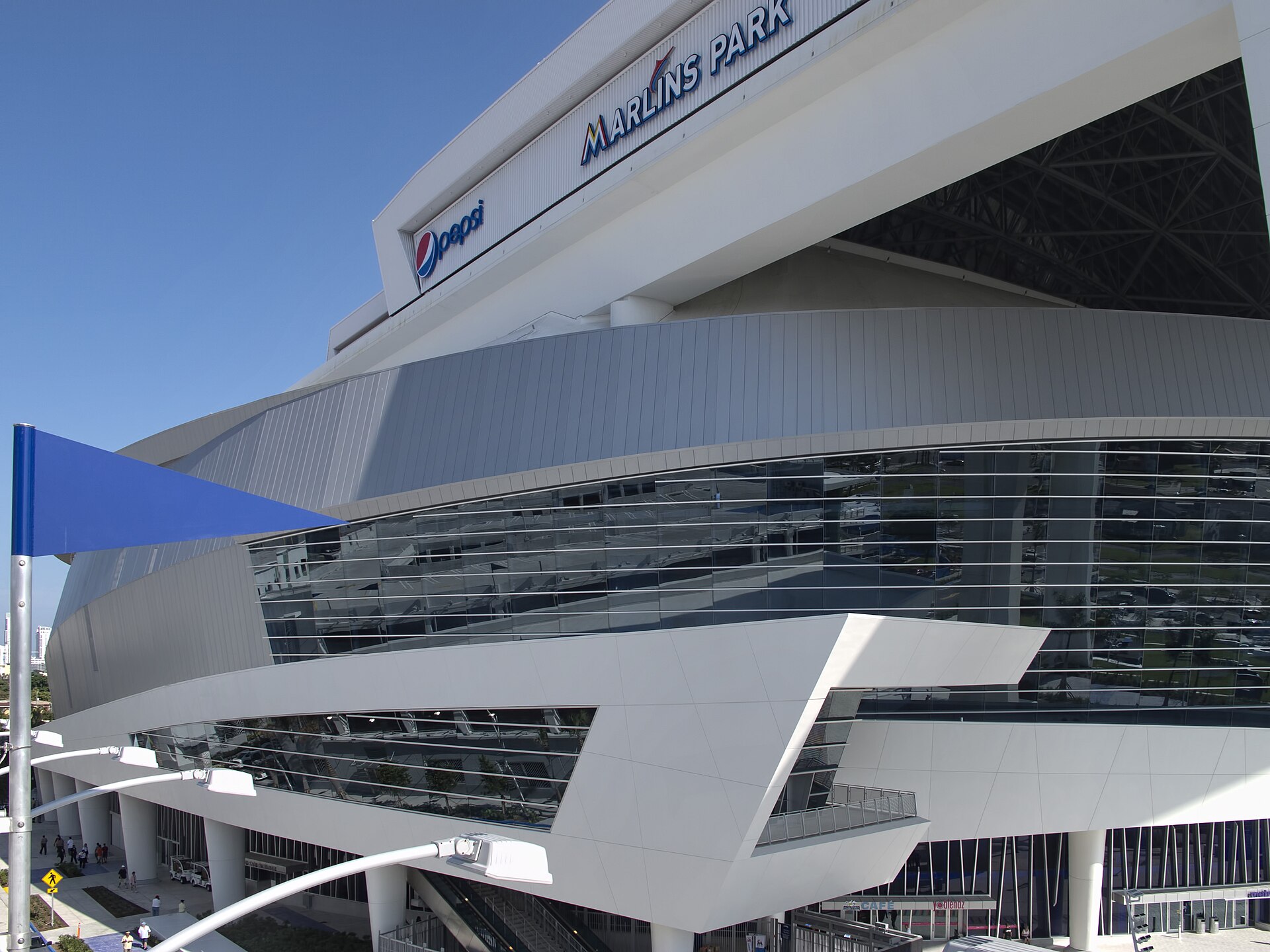
The Miami Marlins were described as hunting for more offense, especially at third base, while being willing to trade from pitching prospect depth. Royce Lewis, Josh Jung and Nolan Gorman were among the speculative fits mentioned.
This is where deadline talk can get loud and thin at the same time. Everyone wants a bat. Few teams have one they are eager to move. That scarcity can push buyers toward imperfect players with contract complications, injury questions or defensive limitations.
Bullpens may move first
Relievers are often the most movable deadline pieces because the gap between a seller’s short-term need and a contender’s October need is easy to understand. A non-contender can part with a veteran arm. A contender can talk itself into paying for 20 high-leverage innings.
The Athletic pointed to bullpen needs for teams including the Milwaukee Brewers, Washington Nationals and Pittsburgh Pirates. Possible relief names in the broader market included Aroldis Chapman, Luke Weaver, Alex Lange, Jimmy Herget, A.J. Minter, Anthony Bender, Brock Burke, Daniel Lynch and others.
Relief pitching is also volatile. One bad week changes an ERA, one velocity dip changes a medical read, and one injury can turn a luxury into an emergency. That is why bullpen rumors tend to multiply quickly as the deadline nears.
For buyers, the question is whether to pay early for certainty or wait and risk a thinner board. For sellers, the question is whether a reliever’s value is peaking now or could rise when a contender loses patience.
Who should sell is unsettled
The most fascinating names may not be the obvious contenders. The New York Mets were described in The Athletic’s preview as a team that “should be selling at this point,” while the Cincinnati Reds were also framed as better off selling given their current position.
Those are not small decisions. Selling can mean acknowledging that a season has turned, but it can also protect the next one. Holding veterans to chase a narrow path can satisfy a clubhouse and fan base in the moment, yet cost a club prospect capital it may wish it had later.
The Los Angeles Dodgers were presented differently: a powerhouse that may not need a major deadline move if health improves. That is a luxury most teams do not have. For the Dodgers, the best addition might be internal. For others, the deadline is the only realistic path to fix a roster flaw.
The gray area is where the deadline gets dangerous. Teams close to .500 can convince themselves of almost anything. The standings, upcoming schedule and playoff odds will matter as much as the scouting reports.
Latest trades need verification
The safest way to follow the final stretch is to separate three categories: reported interest, speculative fits and completed trades. They are not interchangeable.
In the source material available for this roundup, the strongest details center on rumors, needs, possible targets and buyer-or-seller calls. It does not provide a verified list of completed deadline trades. That absence is useful context: the market may be active behind the scenes without having produced a wave of confirmed deals yet.
As Aug. 3 gets closer, that can change quickly. MLB deadline deals often compress into the final hours because executives wait for medical reviews, prospect evaluations, ownership approval and one last standings check.
The takeaway for now: pitching is the premium lane, bats are scarce, relievers could move fast, and the biggest deadline question is not just who wants to buy. It is which teams finally decide they are willing to sell.







Leave a Reply